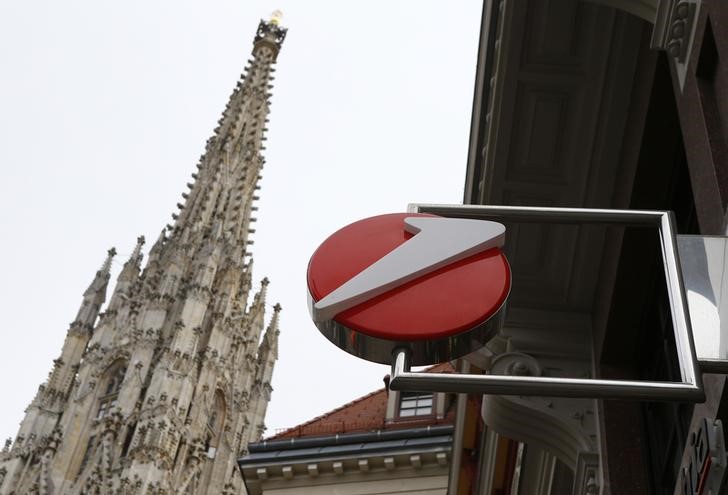
Commerzbank fell to €36.66, below the €37.33 per-share value implied by UniCredit’s hostile exchange offer, after the German government formally rejected the bid and backed Commerzbank’s independence. UniCredit’s offer of 0.485 of its own shares per Commerzbank share remains open through Tuesday, with a 15-day acceptance window starting June 20. The news is mildly negative for Commerzbank given the bid resistance and the stock trading below offer value, but the overall market impact is likely limited to the name and banking M&A sentiment.
The immediate market signal is less about one bank deal and more about how quickly political veto risk can turn a supposedly cash-like arb into a broken merger spread. Once the local state steps in publicly, the probability distribution shifts from a clean tender outcome to a drawn-out negotiation, and that tends to cheapen both legs: the target because closing certainty falls, and the bidder because management time, capital, and reputational bandwidth get consumed. For Commerzbank, the bigger issue is that a higher standalone multiple can persist if domestic stakeholders decide independence is itself a bid defense, effectively putting a floor under the equity but capping takeover optionality.
The second-order effect is on European bank M&A broadly: this is a warning that cross-border consolidation remains hostage to national policy even when the economics look compelling. That makes “cheap bank plus strategic buyer” trades less about valuation arbitrage and more about regulatory path dependence, which can extend for months and keep implied premiums from being realized. It also favors domestically anchored banks and insurers with less political friction, while punishing would-be consolidators that need stock issuance to fund deals because their paper becomes the currency of a contested offer.
Contrarian view: the market may be overpricing the collapse risk if the real objective is not a full takeout but a higher-stake accumulation followed by a negotiated compromise. In that case, the current gap could tighten again over the next 2–6 weeks as the acceptance window and political signaling force both sides toward a more acceptable structure. The key catalyst is whether UniCredit is willing to improve terms or switch from hostile to strategic patience; absent that, the path of least resistance is a dead-money range with headline-driven volatility rather than a clean premium capture.
AI-powered research, real-time alerts, and portfolio analytics for institutional investors.
Request DemoOverall Sentiment
mildly negative
Sentiment Score
-0.20
Ticker Sentiment
