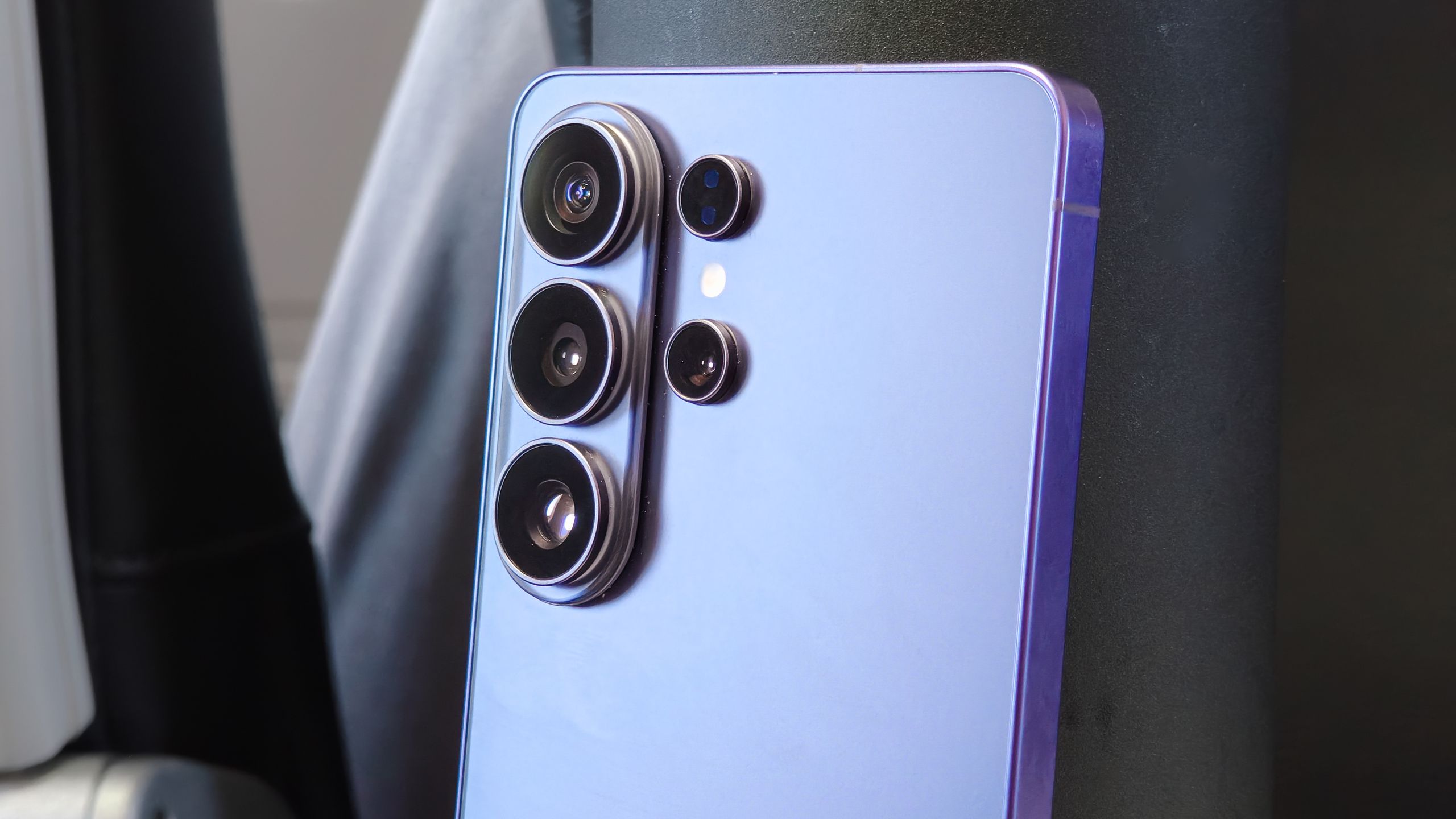
Key hardware changes: primary 200MP sensor now uses a faster f/1.4 lens (down from f/1.7), the 5x periscope remains f/2.9, and the 3x bridge camera was reduced to 10MP with 1.0µm pixels on a 1/3.94-inch sensor (pixel size down from 1.12µm). The reviewer calls the S26 Ultra a 'qualified' win — primary and ultra-wide are reliable, 5x is competitive vs. iPhone/Pixel, and Nightography video is improved, but aggressive color processing, heavy noise reduction, and a weak 3x camera undermine consistency. Pro video users should note APV Log file sizes (~2GB per 10s), implying workflow and storage considerations. Overall impact on markets is limited: this is product-review news likely to influence consumer perception rather than company valuation.
Samsung’s S26 Ultra is a classic incremental-improvement launch that tightens certain capability gaps (telephoto low-light, night video) without changing the broader competitive pecking order. That means near-term handset share shifts at the high end are likely modest: measurable movement will show up in unit trends over the next 2–4 quarters rather than instantly, because brand loyalty and ecosystem lock-in (iOS, Google services) blunt single-model wins.
The clearest second-order beneficiary is the pro/creator accessory ecosystem: huge APV/Log files and on‑device RAW tooling push more users to buy external SSDs, high-throughput cables and MagSafe-style mounting cases. Expect demand uplift for storage vendors and accessory OEMs over the next 3–12 months, concentrated around early-adopter creatives and pros who will pay for workflow convenience rather than marginal image improvements.
Key risks that could reverse any short-term optimism are software backlash (user complaints over over-processed color and the weak 3x camera) and hardware-yield issues for complex periscopes, which would force pricing promos and compress margins. Watch two catalysts in the coming 30–90 days: initial carrier launch sell-through and accessory sell-in data (SSD sales, case attachments); both will move earnings expectations for component and accessory suppliers faster than handset unit reports.
Contrarian read: the street underestimates accessory-driven monetization from a single flagship cycle. The phone itself won’t dethrone Apple or Google, but the productivity/creator workflow tail (external storage, pro apps, SSD partnerships) is underpriced and can be monetized by specialists within one fiscal year if adoption among vloggers and agencies accelerates.
AI-powered research, real-time alerts, and portfolio analytics for institutional investors.
Request DemoOverall Sentiment
mildly positive
Sentiment Score
0.20
Ticker Sentiment
