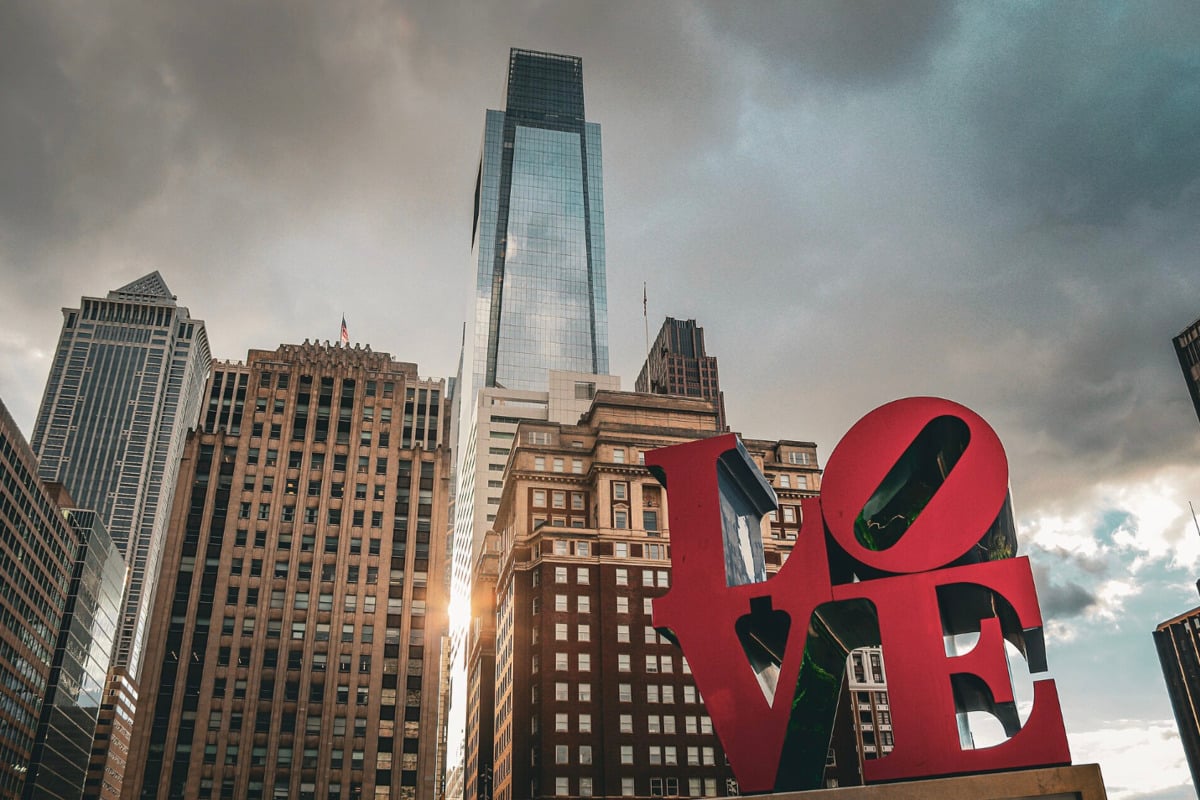
A Manhattan jury ordered art dealer Michael McKenzie and American Image Art to pay $102 million to the Morgan Art Foundation over allegations tied to forged Robert Indiana works. The case involved copyright and trademark claims, discovery sanctions, and accusations that thousands of works were sold without authorization. McKenzie is expected to appeal, but the verdict materially raises legal and financial risk for the defendants and could prompt closer scrutiny of related artworks.
The immediate winner is the enforcement stack around IP ownership, not the underlying art market: a nine-figure judgment materially strengthens the bargaining power of rights holders in any estate where provenance is contested. The second-order effect is a chilling one for mid-tier dealers and consignors who rely on opacity, because the combination of sanctions, adverse inferences, and a large damages award raises expected litigation costs faster than the market can arbitrage them away.
The bigger practical loser is not just one dealer but the liquidity of works tied to the broader Indiana ecosystem. When a court effectively signals that provenance disputes can destroy value even years after sale, auction houses, insurers, and storage providers will likely tighten diligence, lengthen underwriting timelines, and discount inventory with any chain-of-custody ambiguity. That can reduce turnover in adjacent categories, especially estate-adjacent prints and works with signature authentication risk.
The catalyst path is asymmetric: appeals can delay cash collection for months to years, but they rarely undo the reputational damage once a jury has endorsed a forgery narrative. The real tail risk for holders is enforcement—asset freezes, settlement pressure, and possible knock-on claims from prior buyers—while the upside reversal case is narrow and depends on an appellate court materially narrowing the sanction record, which is hard to do absent clear procedural error. In other words, the market impact is less about the dollar award itself and more about the precedent it sets for how aggressively courts can punish discovery misconduct in art disputes.
Consensus may be underestimating how this changes behavior outside the courtroom: museums and wealthy collectors become more conservative on anything with a “studio practice” or delegated-signature history, which could compress prices for similar objects by 5-15% over the next several auction cycles. That is a selective headwind for galleries specializing in authentication-sensitive works, but a relative tailwind for top-tier blue-chip provenance and institutional-grade assets that can demonstrate clean title and unbroken documentation.
AI-powered research, real-time alerts, and portfolio analytics for institutional investors.
Request DemoOverall Sentiment
strongly negative
Sentiment Score
-0.70
