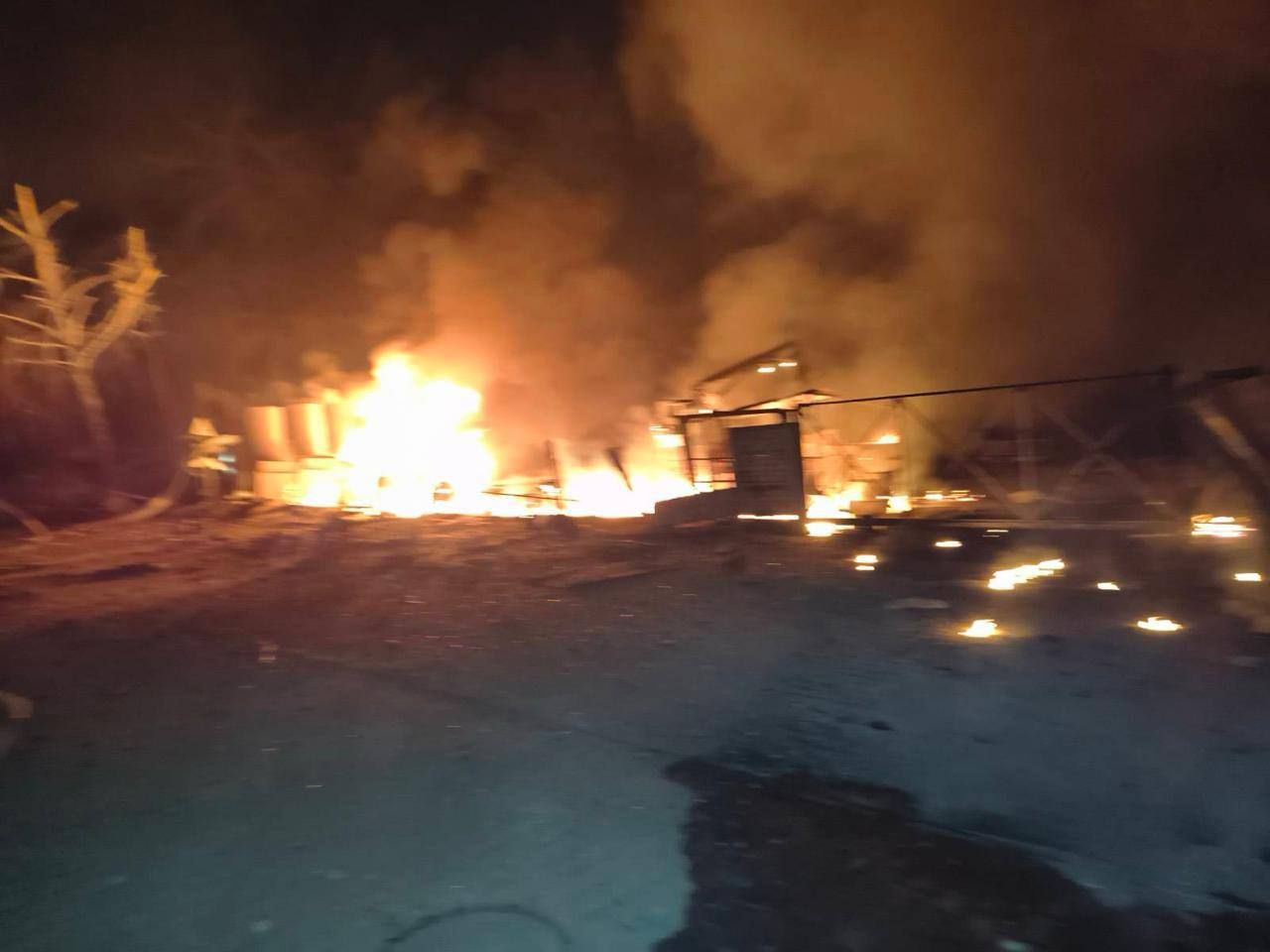
2 people killed and at least 9 injured after overnight Russian missile and drone strikes across Ukraine, with ballistic and Kalibr cruise missiles launched from Black Sea naval vessels and Tu-95/160 strategic bombers. Explosions and air-raid alerts affected Kyiv, Kherson, Mykolaiv and multiple other regions as air defenses engaged incoming threats. Expect a near-term risk-off market reaction: oil and gas prices could rise ~1–3% intraday and Ukrainian/EM sovereign or regional credit spreads could widen by roughly 10–50 bps, while defense and energy-related equities may see relative inflows. Monitor casualty and damage updates and any sustained escalation to reassess longer-term impacts.
Escalatory patrols and repeated long-range launches from sea and strategic aviation are shifting the marginal risk from tactical battlefield attrition to strategic infrastructure vulnerability — pipelines, coastal LNG terminals, and deepwater export nodes are now plausible targets for disruption. That raises a multi-month premium in marine insurance and freight rates for Black Sea-adjacent lanes; conservatively expect a 10–25% rise in spot freight for grain/wet-bulk flows within 2–8 weeks if naval posturing persists, with knock-on effects to fertilizer and food prices.
Operationally, sustained pressure on Ukrainian airspace accelerates demand for integrated, missile-defense systems (radar + interceptors) rather than single-component upgrades; procurement cycles compress from years to quarters under political pressure, favoring prime contractors with turnkey solutions. This creates an asymmetric near-term revenue kicker for large defense primes but caps upside over 12–24 months as programs normalize and backlog converts.
Energy-market secondaries: short-term spikes in European gas and LNG spreads are likely, but they face mean reversion once alternative routing (LNG cargo reallocations, seasonal storage draws) and diplomatic de-escalation occur — time horizon for a sustained structural lift is 6–18 months contingent on NATO responses and winter storage levels. Finally, shipping and logistics firms with concentrated Black Sea exposure will see earnings volatility and routing cost inflation; beneficiaries are diversified LNG exporters and defense primes, while regional shippers and insurers face margin pressure.
AI-powered research, real-time alerts, and portfolio analytics for institutional investors.
Request DemoOverall Sentiment
strongly negative
Sentiment Score
-0.80
