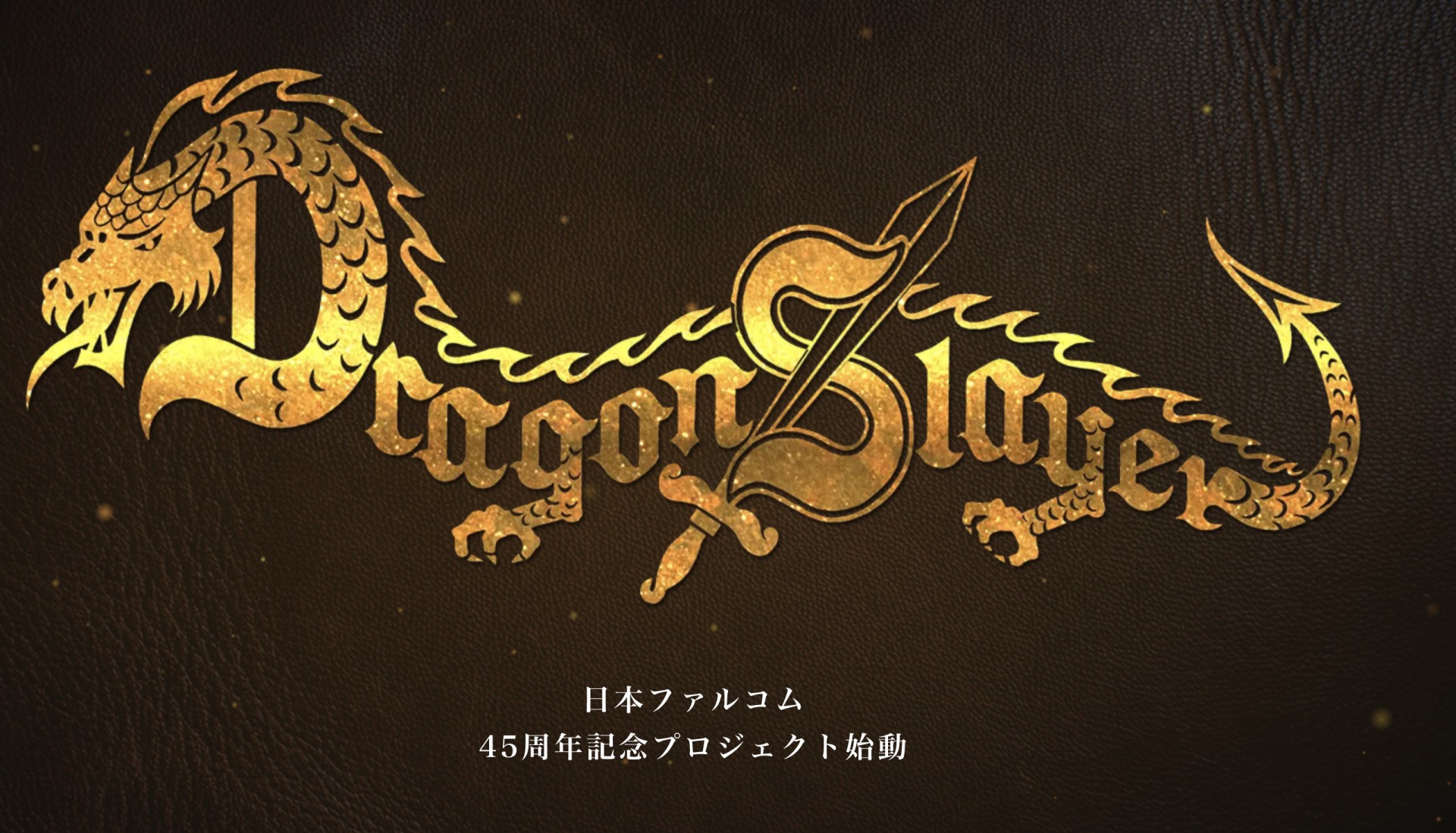
Nihon Falcom announced a new Dragon Slayer project to mark its 45th anniversary; the working title 'Dragon Slayer Project' would be the first Dragon Slayer‑titled release in over a decade (since 2012). Only a teaser image and logo were released and no commercial, timing, or financial details were provided, so near‑term revenue or share impact is likely negligible.
A Dragon Slayer revival is more strategically important than the headline suggests: it unlocks low-cost nostalgia monetization paths (remasters, collections, mobile ports) that can generate meaningful free cash flow within 6–18 months while the full new-title development cycle runs 18–36 months. Expect Falcom or a licensing partner to stagger releases — teaser/announcement -> remaster/collection -> new-IP reveal — each step producing discrete marketing catalysts and short-term bumps to distribution and platform partners' install metrics.
Second-order winners are platform holders and mid-tier publishers that specialize in catalog refreshes: the marginal cost to port 2D/retro titles is small but carries high margin, so companies with efficient porting pipelines and existing storefront relationships capture outsized share of uplift. Conversely, large AAA-focused studios see little direct impact; however, consumer appetite for retro/action-RPGs may shift marketing dollars away from midcycle AAA updates, compressing promotional windows for majors over the next 12 months.
Tail risks are concentrated and timing-sensitive: nostalgia-driven launches frequently underperform if the name lacks broad awareness outside core Japan fans, and the “relaunch” narrative can evaporate if initial patches or monetization practices (gacha/microtransactions) alienate legacy fans. A spike in social attention around the teaser could be reversed within weeks if no concrete demo or platform reveal follows — treat early sentiment as binary and short-lived unless accompanied by platform partnerships or third-party publishing deals.
The strategic optionality here also raises M&A and licensing probability: a well-received teaser increases the chance of IP partnerships or minority investments from platform incumbents within 6–12 months, which would be a clear catalyst for Falcom and potential acquirers to monetize cross-region releases and merchandising.
AI-powered research, real-time alerts, and portfolio analytics for institutional investors.
Request DemoOverall Sentiment
mildly positive
Sentiment Score
0.20
