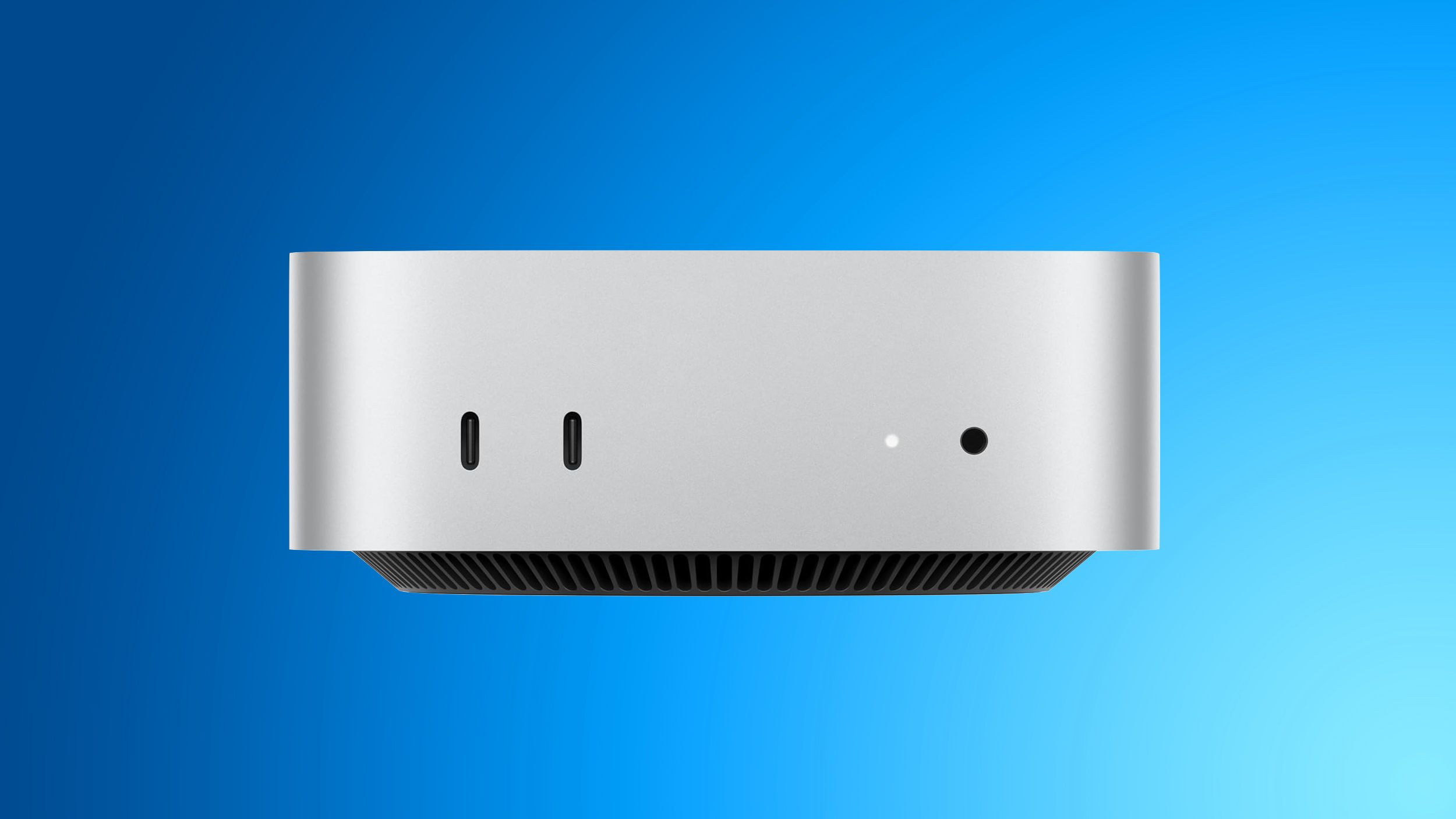
Apple has removed the Mac mini’s 256GB configuration worldwide, raising the U.S. starting price for the base M4 model to $799 from $599, a $200 increase. The change reflects tighter RAM/memory supply, with Tim Cook saying Mac mini and Mac Studio availability remains constrained and that Apple expects significantly higher memory costs this quarter. While the M4 Pro Mac mini is unchanged, the tighter configurator and higher entry price are a mild headwind for Apple’s Mac lineup and near-term margin outlook.
This is less a product-pricing story than a margin-protection signal: Apple is choosing to ration low-ASP consumer configurations to preserve unit economics while memory costs spike. The near-term beneficiaries are memory suppliers and anyone already positioned for AI-driven component tightness; the loser is Apple’s entry-level funnel, which may quietly reduce Mac unit elasticity in the next 1-2 quarters if buyers defer rather than step up to higher-priced configs.
The second-order effect is channel mix. By eliminating the cheapest SKU, Apple nudges demand toward higher-storage builds, which may look accretive to average selling price but can also compress conversion rates among education and small-business buyers. If this persists into the next refresh cycle, it could create a temporary gap in refurbished and reseller pricing, opening a window for non-Apple Windows OEMs and Chromebook vendors to win budget-conscious replacements.
The bigger catalyst risk is duration: management is already signaling several months of supply imbalance, so this is not a one-week inventory hiccup. If memory spot pricing keeps rising, Apple may be forced to absorb margin pressure elsewhere or further simplify configs across Macs and even iPads. The contrarian read is that the market may be underestimating how much of Apple’s product strategy is being constrained by upstream component scarcity rather than demand strength; that makes this a supply-chain story with direct gross margin implications, not just a premiumization story.
For AAPL, the move is mildly negative in the near term because it suggests less flexibility in the mix and more cost pass-through friction. But unless the shortage spreads materially beyond Macs, this is more likely a margin headwind than a thesis break — the key is whether management starts telegraphing broader product compromises in the next two earnings cycles.
AI-powered research, real-time alerts, and portfolio analytics for institutional investors.
Request DemoOverall Sentiment
mildly negative
Sentiment Score
-0.22
Ticker Sentiment
