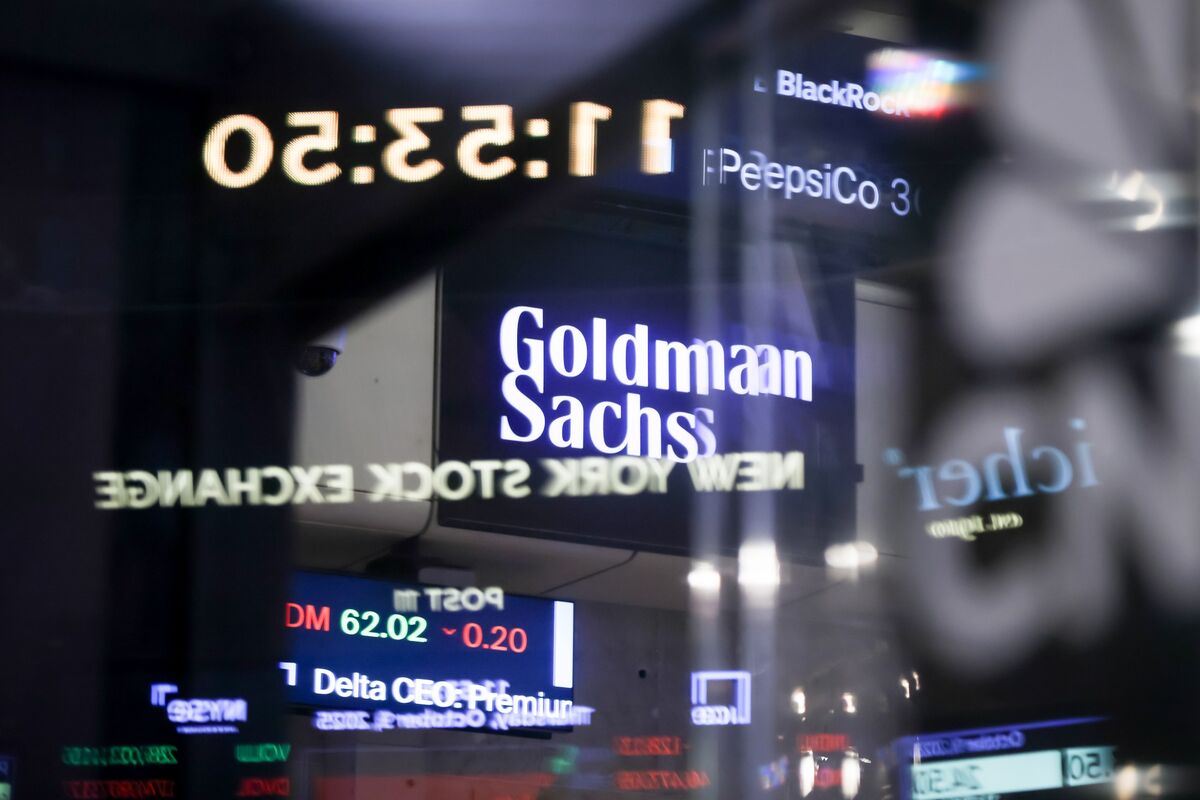
Wall Street is poised to record $18 billion in equities trading revenue for Q1, a roughly 14% year-over-year increase and more than double the level from a decade ago. The Bloomberg-consensus estimate attributes the jump to elevated investor activity driven by the US-Iran conflict and anxiety about how AI could disrupt the economy, boosting trading at the five largest US banks.
The combination of sustained geopolitical headline risk and an uncertain AI-inflection has turned transient headline events into persistent flow drivers: dealers and principal trading desks are capturing larger episodic spreads and inventory profits as investors rotate and hedge exposures more frequently. Expect volatility-driven revenues to cluster around news windows (days-to-weeks) and around earnings/catalyst calendars (weeks-to-months), not as a smooth secular uplift — this concentrates P&L and balance-sheet usage into short windows, magnifying funding and RWA impacts for banks.
Second-order winners are the pure electronic market-makers and prime-brokerage franchises that scale flow with low marginal cost (they capture both the bid/offer and payment-for-order-flow-like economics), while traditional deposit-funded lenders see little upside but greater counterparty and settlement risk. On the market-structure front, higher headline churn masks thinner depth: quoted spread compression can coexist with larger gap risk, increasing realized jumps during liquidity stress and elevating intraday margin calls for levered participants.
Catalysts that would unwind the cycle are straightforward: rapid de-escalation in the Middle East or a regulatory/earnings-driven cooling of the AI narrative would collapse event-driven turnover within 1–3 months. Conversely, protracted skirmishes or a fresh AI shock (e.g., competitive product release or major model failure) would sustain above‑average volumes for multiple quarters; central-bank QT and rising secured funding costs remain the key macro leash that can blunt this revenue stream over 3–9 months.
AI-powered research, real-time alerts, and portfolio analytics for institutional investors.
Overall Sentiment
mildly positive
Sentiment Score
0.30
