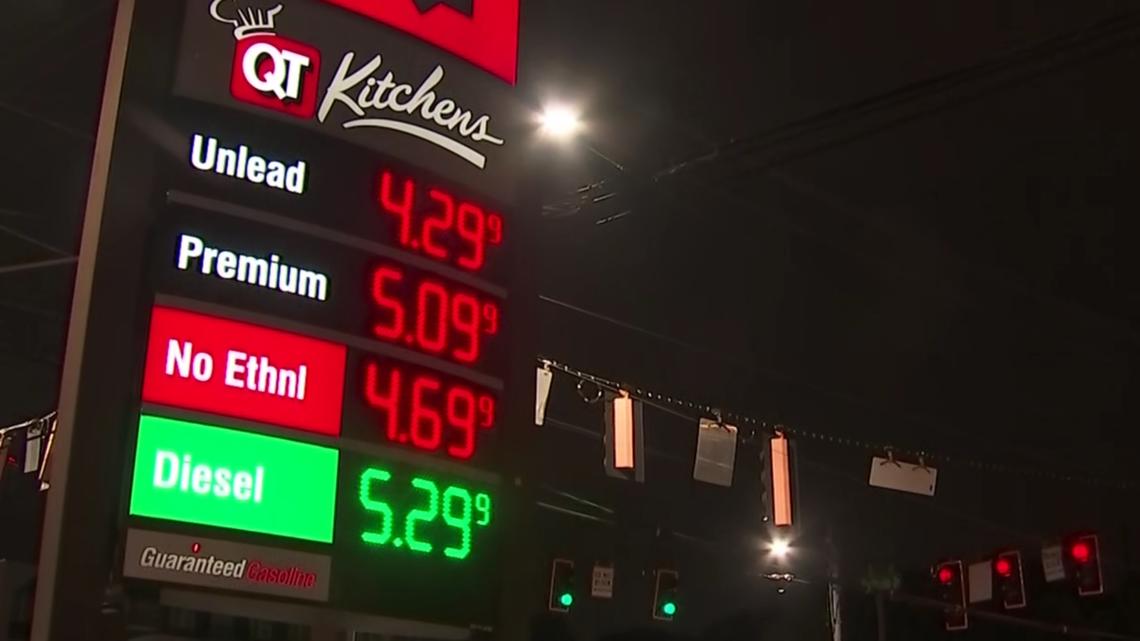
Georgia average gasoline prices jumped to about $4.05-$4.06 per gallon from $3.86 on Monday, with metro Atlanta notably higher at $4.13-$4.22 and some low-price areas still just under $3.80. The state’s 33-cent-per-gallon gas tax suspension expires May 19, which could worsen prices if not extended. The article also links potential oil-price pressure to Middle East tensions and reports the White House believes an Iran agreement may be nearing.
The immediate market implication is less about absolute pump prices and more about the change in household disposable income over a short window. A 30+ cent swing in a few days acts like a tax on high-frequency consumer behavior first: regional driving demand, quick-service food delivery, rideshare utilization, and commuting-sensitive retail will feel it before broader CPI prints. If the move persists into the next two weeks, expect an abrupt hit to sentiment in lower-income geographies where gasoline is a larger share of weekly cash outflow.
The bigger second-order issue is policy cliff risk. The scheduled expiration of the temporary tax relief creates a binary jump right when consumers are already psychologically primed by the recent price spike, so the market may be underestimating the compounding effect of headline gas prices plus the policy reversal. That combination is often more important than crude itself because it can tighten local spending faster than national averages suggest, especially in Sun Belt metros with long commute patterns.
Geopolitically, the path to relief is highly path-dependent: even if de-escalation rhetoric reduces risk premia, physical gasoline prices may not roll over quickly because refining and distribution bottlenecks lag crude moves by days to weeks. The market appears to be pricing a softening of Middle East risk while still facing a near-term domestic pricing overhang; that asymmetry favors a tactical fade of any immediate relief rally in consumer names rather than a broad macro short. The contrarian view is that the move may be overdone for equities and underdone for fuel-sensitive consumers, since equity markets tend to discount the geopolitical headline before the household budget shock fully transmits.
From a timing standpoint, the next catalyst is the policy expiration date, not the next crude headline. If authorities extend the tax break, local gas prices could mean-revert quickly and relieve consumer pressure; if they don’t, the market will likely see a second leg higher even if global tensions cool. That makes this a short-duration event with a potentially outsized effect on consumer discretionary multiples and urban transport demand over the next 2-6 weeks.
AI-powered research, real-time alerts, and portfolio analytics for institutional investors.
Request DemoOverall Sentiment
mildly negative
Sentiment Score
-0.22
