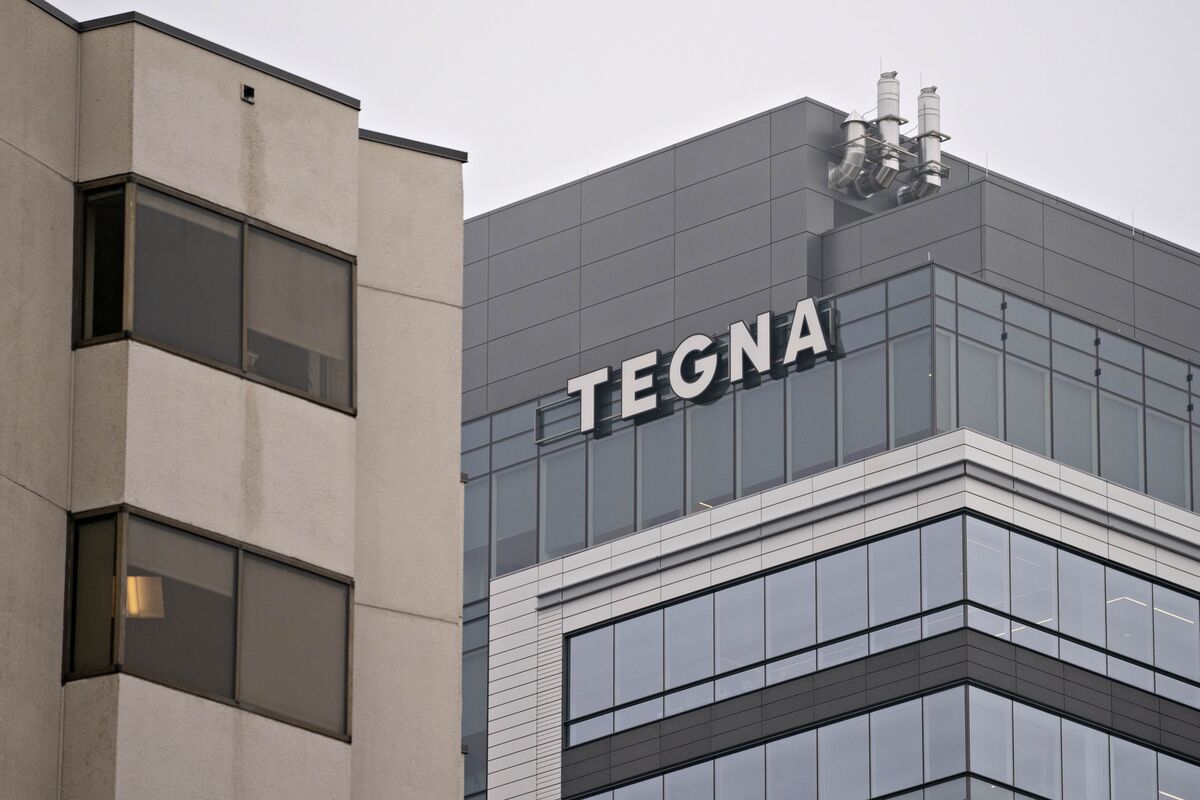
State attorneys general have sued to block Nexstar's proposed $3.5 billion acquisition of Tegna, arguing the deal would create the largest local-broadcast operator and harm competition. Plaintiffs from states including California, New York and Colorado say the combination would impair local news delivery, raise cable prices and lead to job cuts. The lawsuit represents a significant regulatory/antitrust hurdle that could derail or materially delay the transaction and pressure Nexstar/Tegna shares and sector valuations.
This is primarily a regulatory-event story whose economic consequences will be determined by remedy severity and timing rather than underlying viewer trends. Expect a 60–90 day window where injunction motions and discovery activity set near-term volatility, and a 9–18 month timeline for final resolution or negotiated divestitures; markets should price a binary outcome but the equilibrium is usually a negotiated carve‑up.
Second‑order winners are buyers of any forced divestitures (private equity, mid‑sized broadcasters, or streaming aggregators) who can acquire audience and retransmission leverage at a discount; losers include acquirers facing higher cost of capital and slower FCF growth as refinancing and integration synergies are deferred. Mechanically, even modest remedies (10–30% of overlapping stations) will remove a disproportionate share of projected synergies (many synergies are concentrated in duplicated corporate and sales functions), compressing accretion estimates by an outsized 30–60%.
The bargaining lever that matters is retransmission and political ad dynamics: a combined operator wins negotiating power that translates into 5–15% higher carriage fees where it can threaten blackouts, but that creates real short‑term carriage dispute risk and advertiser reallocation into digital channels during any blackout window. Credit markets will be sensitive — expect incremental funding spreads for the bidder to widen by 75–150bp on headline risk and for covenant relief to become a negotiation point, which could force defensive capital actions (asset sales, dividend cuts) that materially change equity returns.
AI-powered research, real-time alerts, and portfolio analytics for institutional investors.
Overall Sentiment
moderately negative
Sentiment Score
-0.30
Ticker Sentiment
