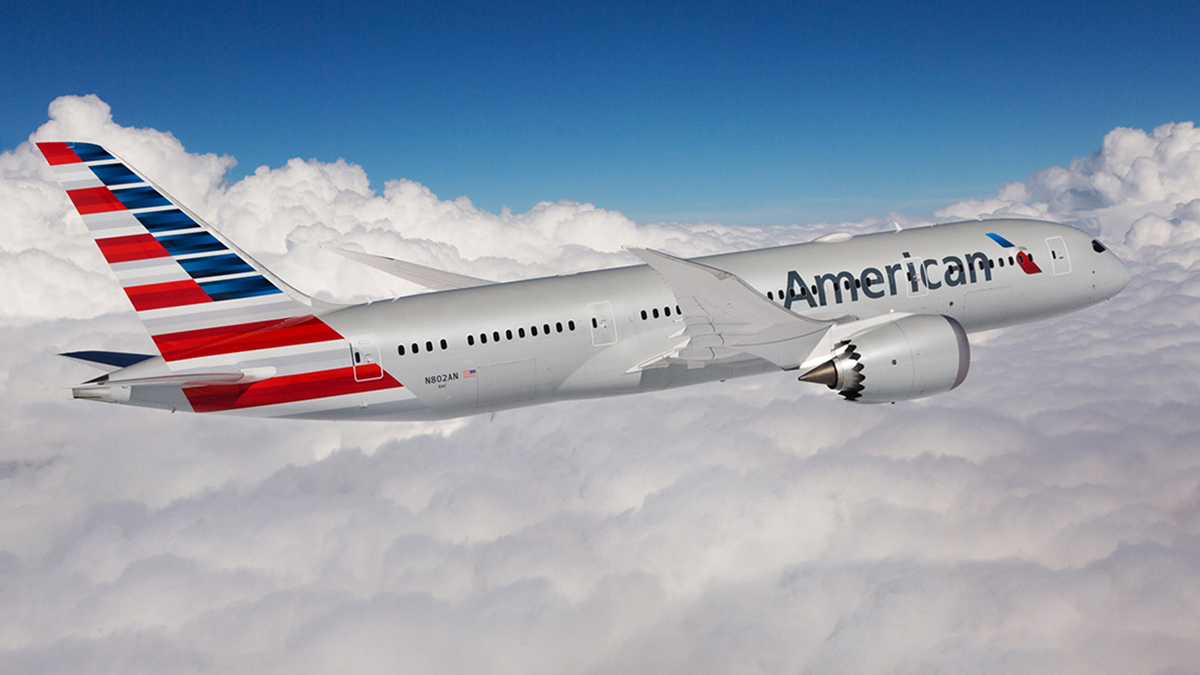
Spirit Airlines is winding down operations immediately, prompting American Airlines to launch rescue fares on overlapping routes, add potential capacity, and recruit displaced Spirit workers. American says it serves 70 of Spirit’s 72 airports and 67 of its current routes, which could help absorb some disrupted demand. The development is negative for Spirit and modestly constructive for American, but the broader market impact should be limited.
The near-term economic winner is not simply AAL, but the broader network carrier set with the strongest overlap in Spirit’s leisure-heavy footprint. AAL has the cleanest ability to reprice displaced demand quickly because it can absorb traffic into an already dense domestic schedule, but the real second-order benefit is load-factor improvement on marginal routes without needing proportional cost growth. That matters because incremental passengers on existing flights tend to fall through at very high contribution margins, so even modest share capture can disproportionately lift near-term unit revenue.
The bigger structural implication is that Spirit’s collapse is a capacity shock in the exact part of the market where fare discipline is weakest. Over the next few weeks, competitors will try to fill seats aggressively, but the absence of Spirit removes the “last resort” price anchor on many city pairs, which should widen fare dispersion and stabilize yields across ULCC-exposed leisure routes. That dynamic is most favorable for airlines with enough scale to capture demand but enough pricing power to avoid being forced into a low-fare response.
AAL’s opportunity is real but not free: the operational risk is that rapid redeployment of larger aircraft and additional frequencies can create aircraft utilization inefficiency and crew complexity if demand proves transient. The more important risk horizon is months, not days — if regulators push for consumer remediation or if Spirit assets are reconstituted through a transaction, today’s windfall could fade. Also, displaced Spirit team members are a labor supply variable; selective hiring can help, but integrating capacity too quickly can raise training and productivity costs before the revenue benefit fully crystallizes.
The market may be underestimating how much of this is a relative-value story rather than a standalone AAL story. AAL should outperform other large-cap US carriers tactically, but the best setup is likely long AAL versus a broader airline basket if you expect route overlap to matter more than general macro demand. The contrarian risk is that traders overprice the permanence of Spirit’s exit — if capacity gets backfilled by incumbents faster than expected, the benefit compresses back into normal competitive behavior within one to two quarters.
AI-powered research, real-time alerts, and portfolio analytics for institutional investors.
Request DemoOverall Sentiment
moderately negative
Sentiment Score
-0.45
Ticker Sentiment
