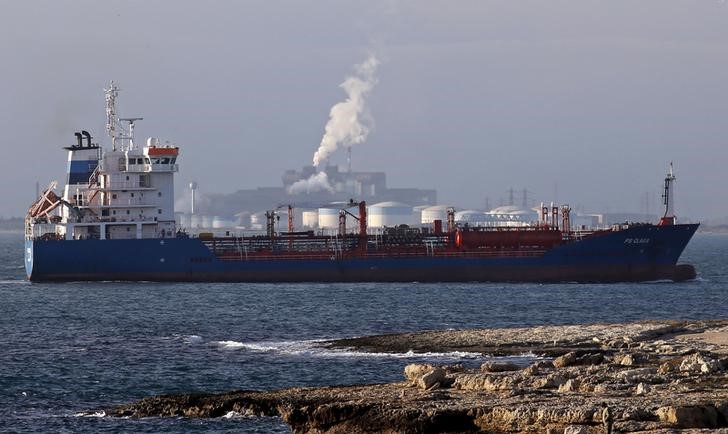
A tanker suffered an external explosion about 60 nautical miles from Muscat, Oman, with the vessel and crew reported safe. Some bunker fuel was released into the sea, raising limited near-term concern for shipping safety and localized marine pollution. The incident adds a small geopolitical risk premium but is not, by itself, a major market-moving event.
This is less a direct gold story than a regime test for the market’s geopolitical risk premium. A single maritime incident near a major chokepoint tends to matter most when it confirms a broader pattern: insurers reprice, shipping routes lengthen, and energy markets begin to embed a persistent security surcharge. The immediate second-order effect is not just higher crude volatility; it is a broader tightening in transport and inventory economics as carriers demand wider buffers and higher war-risk premiums.
The gold reaction looks counterintuitive on the surface, but it is actually consistent with a market that is still prioritizing real-rate expectations over headline risk. If oil logistics disruptions feed into gasoline and freight costs, the first-order macro impact is higher near-term inflation prints, which can keep policy rates higher for longer and cap gold in the very short term. That creates a two-step trade: gold may initially underperform on stronger nominal yields, then outperform later if the shock degrades growth and the market pivots from inflation to recession hedging.
The underappreciated winners are the “picks and shovels” around maritime disruption: marine insurers, security-linked shipping services, and certain energy assets with pricing power. The losers are the most exposed imported-freight chains and refiners that lack feedstock flexibility, because even isolated incidents can widen differential spreads and raise delivered costs faster than spot commodity moves show up in headlines. The key timing distinction is days-to-weeks for risk premium expansion, versus months if this becomes part of a sustained Red Sea/Gulf of Oman disruption cycle.
Consensus may be underestimating how quickly markets normalize single incidents while still leaving a higher structural floor under freight and energy volatility. The right contrarian view is that the headline gold dip could be the wrong asset to fade: the bigger opportunity is in volatility-sensitive energy and logistics exposure if this incident is a signal, not noise. If follow-on attacks do not materialize within 1-2 weeks, the premium should compress sharply; if they do, pricing power and insurance costs re-rate fast.
AI-powered research, real-time alerts, and portfolio analytics for institutional investors.
Request DemoOverall Sentiment
mildly negative
Sentiment Score
-0.15
