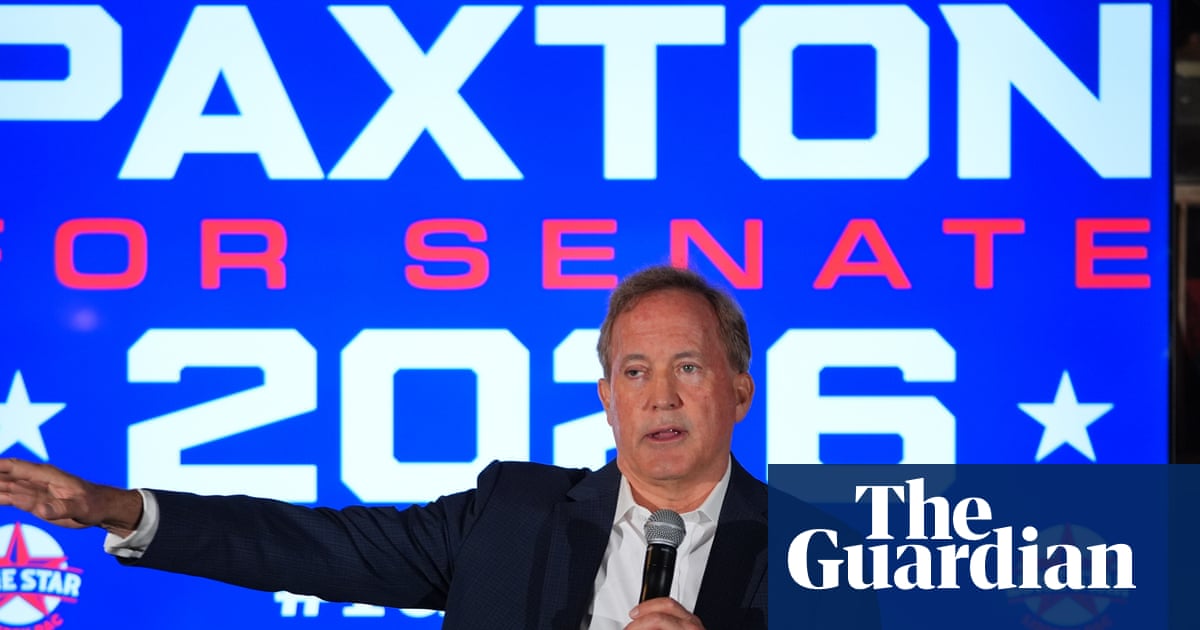
Ken Paxton defeated incumbent John Cornyn in the Texas Republican Senate runoff, strengthening Trump’s influence in a key red state ahead of the midterms. The result raises political and reputational risk for national Republicans, as Paxton carries impeachment, securities fraud, and divorce-related baggage that could force higher campaign spending. The article frames the race as a broader referendum on Trump’s strength and the GOP’s prospects in November.
The marketable implication is not the Senate seat itself but the implied increase in political volatility premium across Texas-adjacent policy exposure. A more ideologically charged nominee raises the odds of higher national GOP fundraising, more outside spending, and a louder legal/regulatory agenda in a state that matters for energy, banking, defense, and capital formation; that is incrementally supportive for defense-name outperformance and for firms that benefit from federal gridlock, but it also raises the probability of headline risk around corporate governance, education, and ESG-sensitive boards over the next 3-9 months. The second-order effect is on Senate math and legislative pricing: a stronger GOP turnout narrative in Texas can marginally improve Republican confidence in a few purple-state races, which matters for sector rotations tied to taxes, antitrust, and healthcare reimbursement. However, the downside tail is that a high-baggage nominee increases the risk of self-inflicted polling damage and donor fatigue, so the move can reverse quickly if a few weeks of negative coverage shifts suburban independents; that creates a binary setup into the next polling window rather than a clean multi-year trend. The contrarian read is that the market may overestimate how much one Texas race changes macro policy odds. Texas is still structurally red, so the marginal value of the nominee's brand is mostly in turnout and media attention, not immediate policy translation; the larger opportunity is probably in volatility expressions around election-adjacent headlines rather than outright directionality. If national Republicans start to treat the seat as salvageable, the spend escalation could compress margins for consultants, local media, and ad-tech beneficiaries over the next 6-8 weeks, even as the broader election complex gets a bid.
AI-powered research, real-time alerts, and portfolio analytics for institutional investors.
Request DemoOverall Sentiment
neutral
Sentiment Score
-0.05
