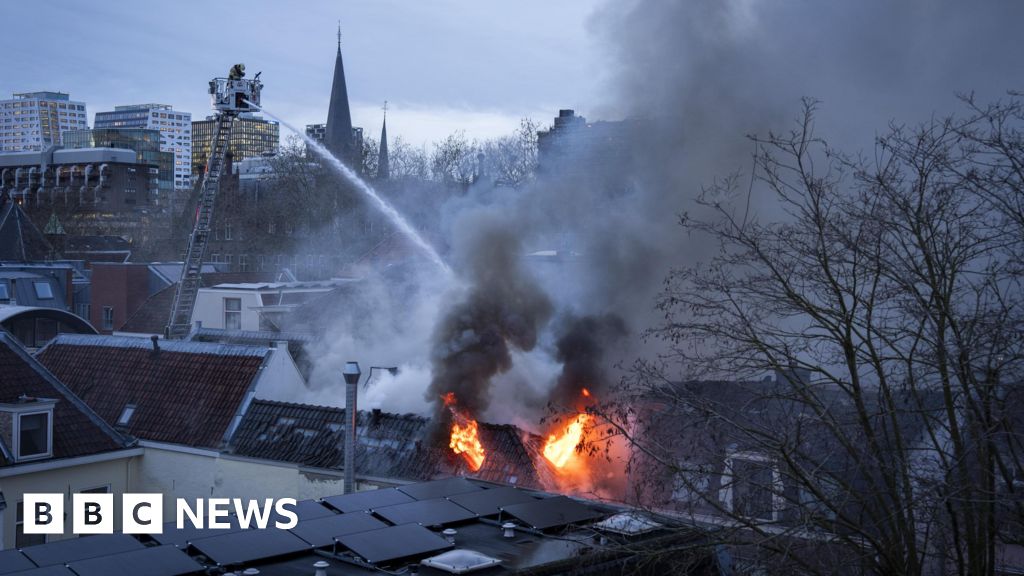
A large explosion and subsequent fire in central Utrecht was caused by a gas leak, injuring at least four people (none life-threatening) and causing significant structural and retail damage around Visscherssteeg; firefighters took several hours to extinguish the blaze and residents were evacuated. The incident appears accidental, with the cause of the leak unknown; impacts are largely local but could drive property and business interruption claims and short-term retail disruption in the affected area.
Market structure: The immediate winners are utility/grid maintenance contractors, building-materials suppliers and local restoration contractors (near-term demand shock for glass, steel, cement); losers are small commercial landlords, street-level retailers and local muni bond issuers in Utrecht where property cashflows are interrupted. Pricing power shifts toward contractors and specialist installers for weeks–months; retail insurers and reinsurers see only localized losses but may reprice municipal risk if incidents cluster.
Risk assessment: Tail risks include a broader regulatory crackdown on aging gas networks (low-probability, high-impact) that could accelerate multi-year capex and create stranded-asset risk for gas distributors; a repeat incident cluster could push EU/NL policy to fast-track decommissioning. Time horizons: days (evacuations, shop closures), weeks–months (repairs, insurance payouts), 3–12 months (regulatory investigations and capex programs). Hidden dependencies: aging urban network maps, political timing of safety funding and insurance-loss aggregation models.
Trade implications: Tactical plays favor small, sized exposure to utility/grid operators and building materials (alpha in urgent repair demand) and defensive reinsurance longs on dips; consider defined-risk options (buy call spreads) to capture 1–3 month repair upticks. Cross-asset: expect tiny widening in Utrecht-area muni spreads (<10–30bps) and modest commodity uptick for steel/cement (1–3%) if repair orders scale.
Contrarian angles: Consensus will treat this as isolated — underpriced is the policy/capex response risk which can create 6–18 month winners (grid contractors, electrification suppliers). Historical parallels (EU pipeline fixes 2010s) show multi-year procurement cycles; unintended consequence: faster electrification subsidies benefiting ENEL/Siemens if gas networks are downrated.
AI-powered research, real-time alerts, and portfolio analytics for institutional investors.
Request DemoOverall Sentiment
mildly negative
Sentiment Score
-0.30
