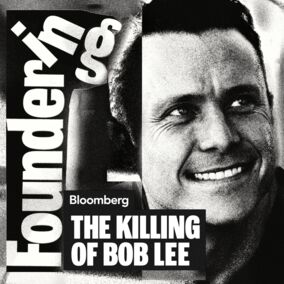
The article revisits the death of Bob Lee and says a toxicology report later showed alcohol, cocaine, and ketamine in his system. It frames the case as having been recast from a San Francisco crime narrative into a story about the secretive tech elite "Lifestyle" scene. The piece is narrative reporting rather than market-moving news, with limited direct financial impact.
The bigger market implication is not the individual story, but the way elite-misconduct narratives metastasize into platform risk for any media asset monetizing prestige, trust, or urban cultural cachet. When a case shifts from public-safety symbolism to a subculture exposé, it raises the probability of follow-on scrutiny of publishers, podcasters, and streamers that package true-crime adjacent content, especially where sourcing is thin or reputationally fraught. That creates a modest but real tailwind for large incumbents with diversified ad/affiliate mix and deeper legal review, while smaller narrative-driven audio/media brands face higher volatility in churn and sponsor sensitivity.
Second-order, this type of coverage tends to increase discovery risk for high-status consumer/tech ecosystems rather than directly hurting technology demand. The relevant overhang is not lower software spend; it is incremental reputational dilution around the social norms of elite tech circles, which can feed employee retention issues, customer trust concerns, and more aggressive plaintiff discovery in unrelated civil matters. The effect is usually lagged by weeks to months, because reputational damage compounds through search, social clips, and derivative reporting rather than the original article itself.
The contrarian view is that the market often overestimates the durability of scandal-driven attention. These stories are high-engagement but short half-life unless they connect to a regulatory or criminal process; absent that, the revenue impact on mainstream media tends to be trivial and the tradeable signal is mostly in sentiment-sensitive niche publishers. What is underappreciated is that the real downside may sit in litigation/PR budget inflation at private tech firms, not in public equity multiples, making this more of a procurement and vendor-screening issue than a sector-wide short.
AI-powered research, real-time alerts, and portfolio analytics for institutional investors.
Request TrialOverall Sentiment
mildly negative
Sentiment Score
-0.20
