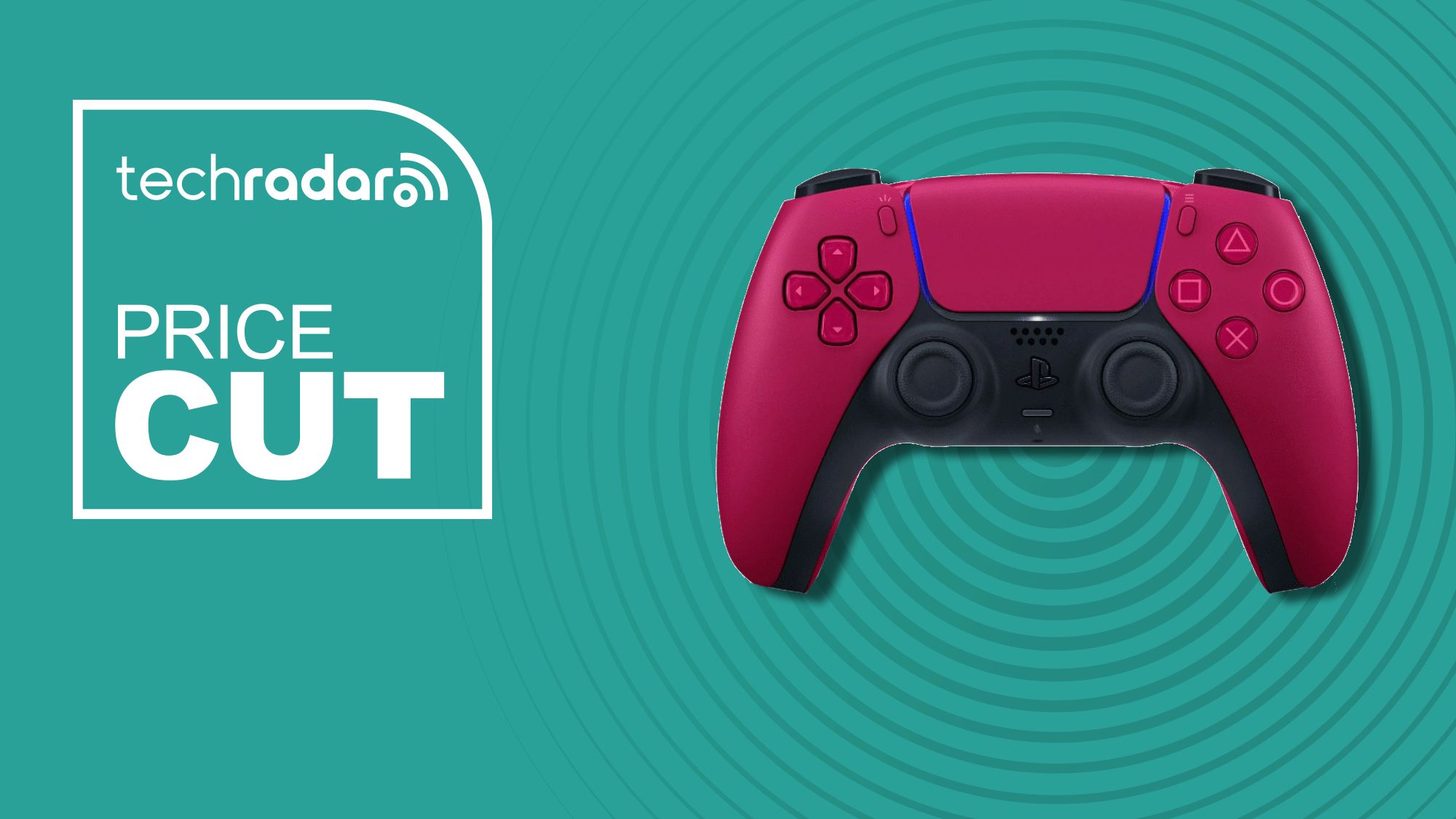
Major retailers in the US and UK are running substantial holiday discounts on Sony's PS5 DualSense Wireless controllers, with Amazon US listing the controller at $54 (down from $74.99) and PS Direct UK at £44.99 (down from £64.99); many color variants (Midnight Black, Starlight Blue, Nova Pink, etc.) are included. Other US sellers (Target, Best Buy, GameStop) show prices around $54.99 and Walmart at $59.99, while UK pricing clusters around £52.99–£53.99 at Amazon UK, EE and Very. The promotion could modestly boost accessory unit sales and holiday revenue for retailers and Sony's PlayStation ecosystem but is unlikely to move company-level financials or broader markets materially.
Market structure: The steep DualSense discounts (~28% from $75 to $54) are a win for Sony's ecosystem (higher attach rates, higher lifetime revenue per console) and for e-commerce traffic drivers (AMZN, TGT, BBY) but represent short-term ASP compression for retailers and potential margin pressure on brick-and-mortar chains like WMT. Competitive dynamics favor platform owners (SONY) who monetize software/services after accessory-led engagement; third-party peripheral makers face pricing pressure and potential market-share loss. Inventory/supply signal: large holiday markdowns imply either intentional demand stimulation or above-target channel inventory; expect normalization in 4–12 weeks as holiday buying completes.
Risk assessment: Tail risks include a supply-chain shock (component shortage or factory outage) that reduces controller availability, a product-defect recall (stick-drift class action) that hits SONY margins, or regulatory scrutiny on bundling/market power; each is low probability but could move stock ±10–20%. Time horizons: immediate (days–weeks) for retailer traffic and inventory clears, short-term (1–3 months) for Q4 accessory revenue and holiday comps, long-term (1–3 years) for console lifecycle/attach-rate trends. Hidden dependencies: accessory sales are proxy for software engagement; a decline in new AAA launches or PS5 hardware promos would materially change outlook. Key catalysts: Sony quarterly results (next 60–90 days), major game launches, and PS5 restock cadence.
Trade implications: Direct: establish a 2–3% long position in SONY (NYSE: SONY) targeting +15% upside over 3–6 months, with a hard stop at -8% and add-on if accessory revenue growth >5% YoY on the next quarter. Pair: long AMZN 1–2% / short BBY 1% to capture ongoing e-commerce share shift and margin pressure at specialty retailers over next 3 months. Options: buy a 3–6 month SONY call spread to limit downside (buy ATM, sell +15% OTM) sized to equal the equity position; alternatively sell covered calls after entry to monetize implied vol. Sector: tilt +3% to Consumer Discretionary/Tech hardware, reduce exposure to low-margin retail by 2–3%.
Contrarian angles: The market may overstate permanent margin loss; controllers are high-margin, and discounts can be a low-cost driver of higher software/service ARPU — treat temporary price cuts as marketing if Sony reports accessory attach-rate growth >10% year-over-year. Conversely, the consensus may underprice the behavioral risk that frequent markdowns reset consumer expectations and depress average ASPs by 5–10% annually. Historical parallel: PS4 accessory cycles showed transient accessory margin hit but persistent upside to software/game revenue; if Sony repeats that pattern, upside is underappreciated in near-term sell-offs. Monitor accessory revenue and attach-rate beats/misses within next 60–90 days as the main trigger to add or pare exposure.
AI-powered research, real-time alerts, and portfolio analytics for institutional investors.
Request DemoOverall Sentiment
mildly positive
Sentiment Score
0.25
Ticker Sentiment
