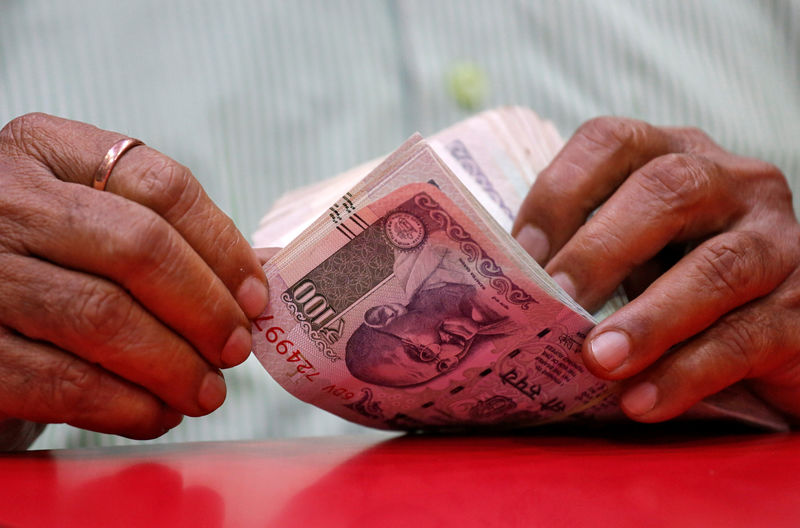
The Indian rupee fell to a record low of 96.305 against the U.S. dollar before recovering to 95.700, and is still down 6.5% year to date amid oil-import pressure, capital outflows, and safe-haven dollar demand. The RBI has been smoothing the decline through interventions, with its forward book rising to about US$100bn from US$68bn at the start of the year. Capital Economics said further depreciation could lift inflation by roughly 0.5 percentage points for a 10% rupee drop, potentially prompting RBI rate hikes, while also supporting exports.
The market is starting to price a more persistent FX shock than a one-off geopolitical headline. For India, the key second-order effect is not just imported inflation, but a broader tightening impulse through the balance of payments: weaker currency, higher fuel bill, and eventually a policy response that can drag cyclicals and rate-sensitive names even if nominal GDP holds up. The RBI’s ability to smooth the move with forwards buys time, but it also means the adjustment can reappear later as a sharper funding or rate event rather than an immediate spot FX break.
The more interesting trade is the dispersion inside emerging markets. Countries with large oil imports, limited FX buffers, and foreign-owned carry trades are the vulnerable group; exporters and economies with current-account cushions should outperform on a relative basis if the dollar stays bid. This is also a hidden positive for India’s large software and service exporters, whose dollar revenues reprice quickly while domestic cost inflation lags, creating a near-term margin tailwind that is easy to miss when the headline is just “rupee weakness.”
The consensus likely understates how little room central banks have to absorb a sustained oil-plus-dollar shock without sacrificing growth. If the move in energy persists for several weeks, the market may shift from viewing this as an FX story to a rates story, which would pressure domestic banks, autos, housing, and broader consumption through higher borrowing costs and weaker real incomes. The catalyst for reversal is not just peace headlines; it is a clear decline in tanker risk or a coordinated policy response that reanchors oil expectations, which would quickly unwind the inflation scare and reduce pressure on the rupee.
AI-powered research, real-time alerts, and portfolio analytics for institutional investors.
Request DemoOverall Sentiment
mildly negative
Sentiment Score
-0.25
Ticker Sentiment
