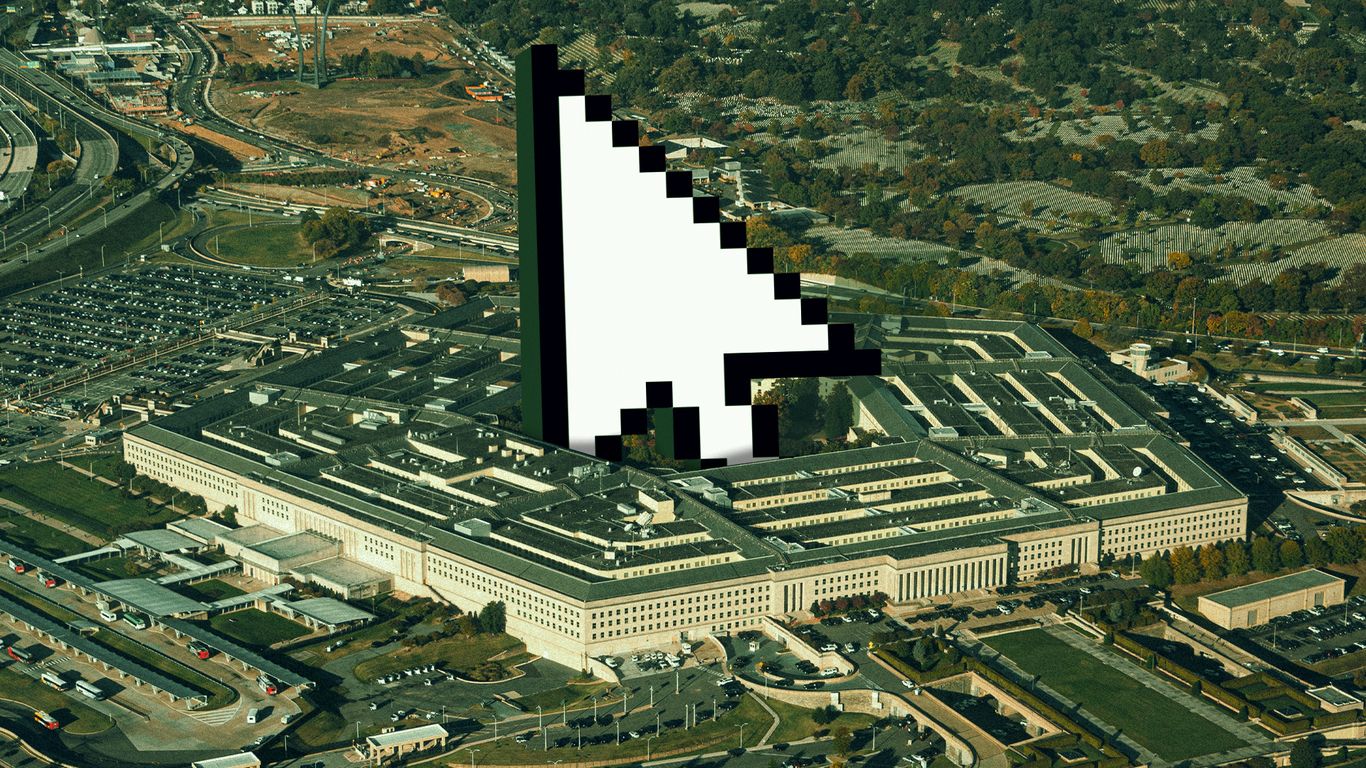
The Pentagon designated Anthropic as a 'supply chain risk' and Anthropic filed two lawsuits (N.D. California and the D.C. Circuit) seeking to block the designation and enforcement, challenging statutory authority including 10 U.S.C. 3252. Several federal agencies have begun offboarding Anthropic's Claude for defense-related uses and President Trump directed agencies to stop using the technology, though Microsoft and Google say non-defense work can continue; the outcome could constrain Anthropic’s federal revenue and set precedent for future vendor blacklisting in defense procurement.
The immediate economic effect is not just a single vendor losing business — it accelerates a bifurcation of the AI stack into “defense-hardened” and commercial channels. That raises fixed compliance and hosting costs (legal, FedRAMP, air-gapping, provenance tracking), which tilts marginal enterprise and government spend toward large cloud incumbents that can amortize those investments across many contracts.
Second-order winners are cloud infrastructure and systems integrators that can offer onshore, auditable model deployments; second-order losers are small model vendors and open-source stacks that cannot afford protracted certification. This creates a durable moat for MSFT/GOOGL on sensitive workloads but also concentrates political and regulatory risk: a ~6–24 month window where policy decisions, not product quality, will determine contract wins.
Near-term catalysts are litigation milestones and agency implementation timelines — expect elevated idiosyncratic volatility in the next 1–12 months. The path to normalization is either legal clarity (months–years) or private bilateral remediation (weeks–months), which implies both buying opportunities on dips and the need for options protection against episodic downside.
AI-powered research, real-time alerts, and portfolio analytics for institutional investors.
Overall Sentiment
mildly negative
Sentiment Score
-0.20
Ticker Sentiment
