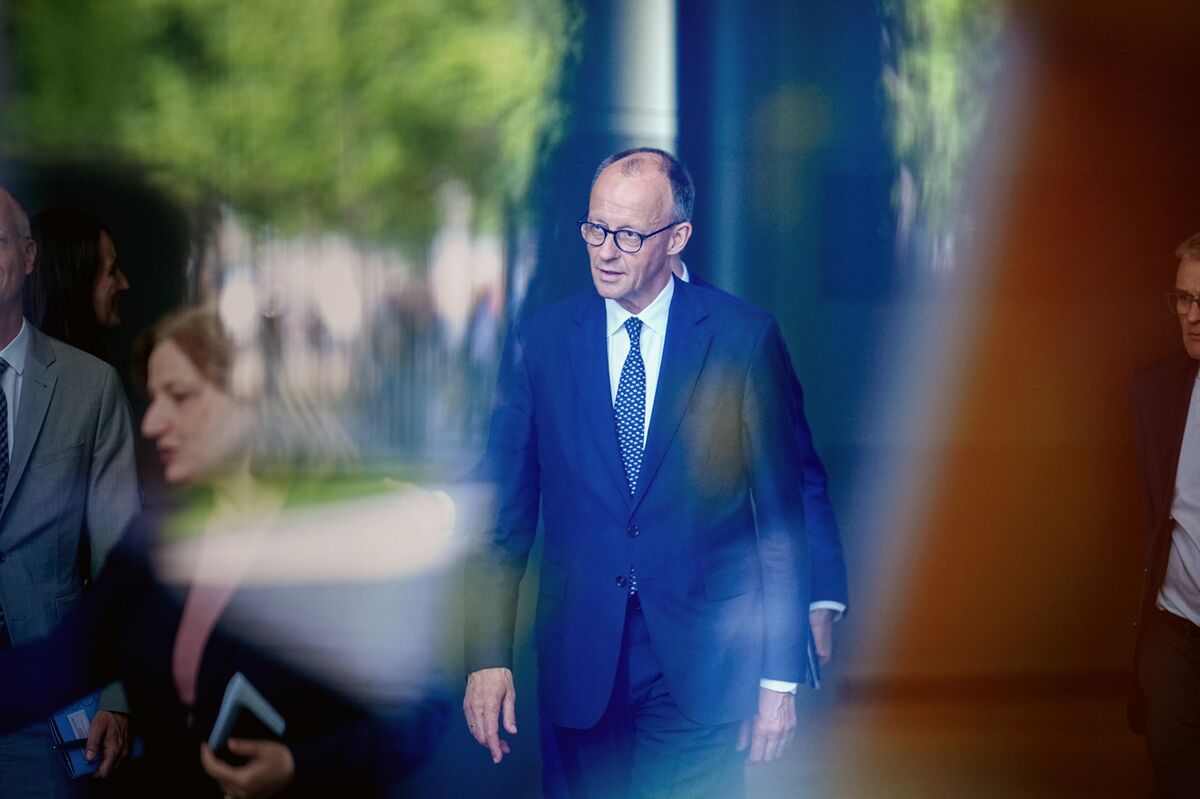
German Chancellor Friedrich Merz will meet with Donald Trump in Washington on Thursday for his inaugural meeting since taking office. The meeting, following weeks of preparation, marks a critical test for Merz, who has previously expressed both alignment and criticism towards Trump, and deviates from past meetings between the two countries' leaders which have typically reinforced their postwar partnership.
The upcoming inaugural meeting between new German Chancellor Friedrich Merz and U.S. President Donald Trump signifies a potentially pivotal moment for U.S.-German relations, a traditionally stable pillar of the postwar international order. Chancellor Merz's documented history of oscillating commentary on President Trump, ranging from identifying common ground to criticizing his volatility, introduces a notable degree of unpredictability to these high-stakes discussions. The explicit statement that 'This time is different' from past, more ceremonial meetings underscores the potential for substantive shifts in the bilateral relationship. While the provided signals indicate a currently neutral sentiment and a very low immediate market impact score of 0.05, the diplomatic outcomes could carry longer-term implications for transatlantic trade, security cooperation, and broader European geopolitical stability. This meeting, occurring nearly a month into Merz's term and after weeks of preparation, represents a significant early test of his administration's foreign policy approach towards a key international partner.
AI-powered research, real-time alerts, and portfolio analytics for institutional investors.
Request DemoOverall Sentiment
neutral
Sentiment Score
0.00
