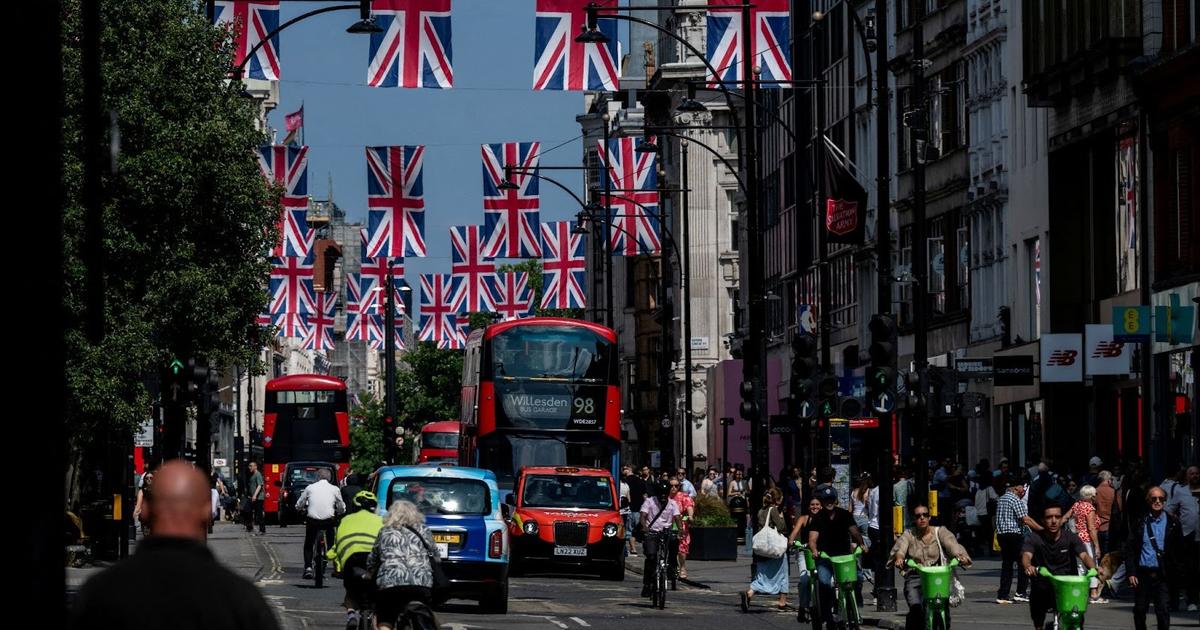
London mayor Sadiq Khan is moving ahead with plans to pedestrianize the busiest section of Oxford Street—visited by about 500,000 shoppers daily—arguing the change will boost footfall, reduce pollution and improve the public realm. The initiative is presented as part of a broader global trend toward car-free city zones (Paris, New York, Bogotá, Milan, San Francisco, Sydney) and, while it faces local political hurdles, pedestrianization typically correlates with improved retail performance and potential upside for high-street occupiers, real-estate values and related transport and leisure businesses once implemented.
Market structure: Pedestrianizing Oxford Street is a net positive for high-street landlords and flagship retailers (higher dwell time -> 10–25% footfall uplifts seen in comparable projects) and negative for on-street car-related revenue pools (parking, forecourts). Expect landlords (LSE:LAND.L, BLND.L) to gain pricing power on prime units, enabling rent reversion of 5–15% over 12–24 months if footfall is sustained; last-mile logistics costs and curbside delivery pricing will be the main losers.
Risk assessment: Tail risks include a political reversal (mayoral/election flip within 12 months), delivery/logistics backlash raising retail OPEX by 2–4%, or implementation overruns that depress short-term footfall. Immediate (days–weeks) sees construction disruption, short-term (0–6 months) will show footfall datapoints, and long-term (12–36 months) is when rent rolls and valuations reprice; hidden dependency is the creation of consolidated delivery hubs — if delayed, retailer margins compress.
Trade implications: Relative-value wins favor urban retail REITs and flagship retail stocks; expect a modest positive cross-asset tilt to UK commercial property credit and potentially tighter spreads for London-centric CMBS if uptake is confirmed. Options: use 9–18 month call spreads to capture asymmetric upside while capping premium; monitor monthly Springboard footfall and council impact reports as trade triggers.
Contrarian angles: Consensus assumes uniform uplift — risk of vacancy if landlords push rents >10% without tenancy mix improvement, or delivery costs push sales online, reversing gains. Historical parallels (Times Square/Paris pedestrian zones) show winners only when last-mile solutions and security are solved; failure to fund these is the main unintended consequence.
AI-powered research, real-time alerts, and portfolio analytics for institutional investors.
Request TrialOverall Sentiment
mildly positive
Sentiment Score
0.25
