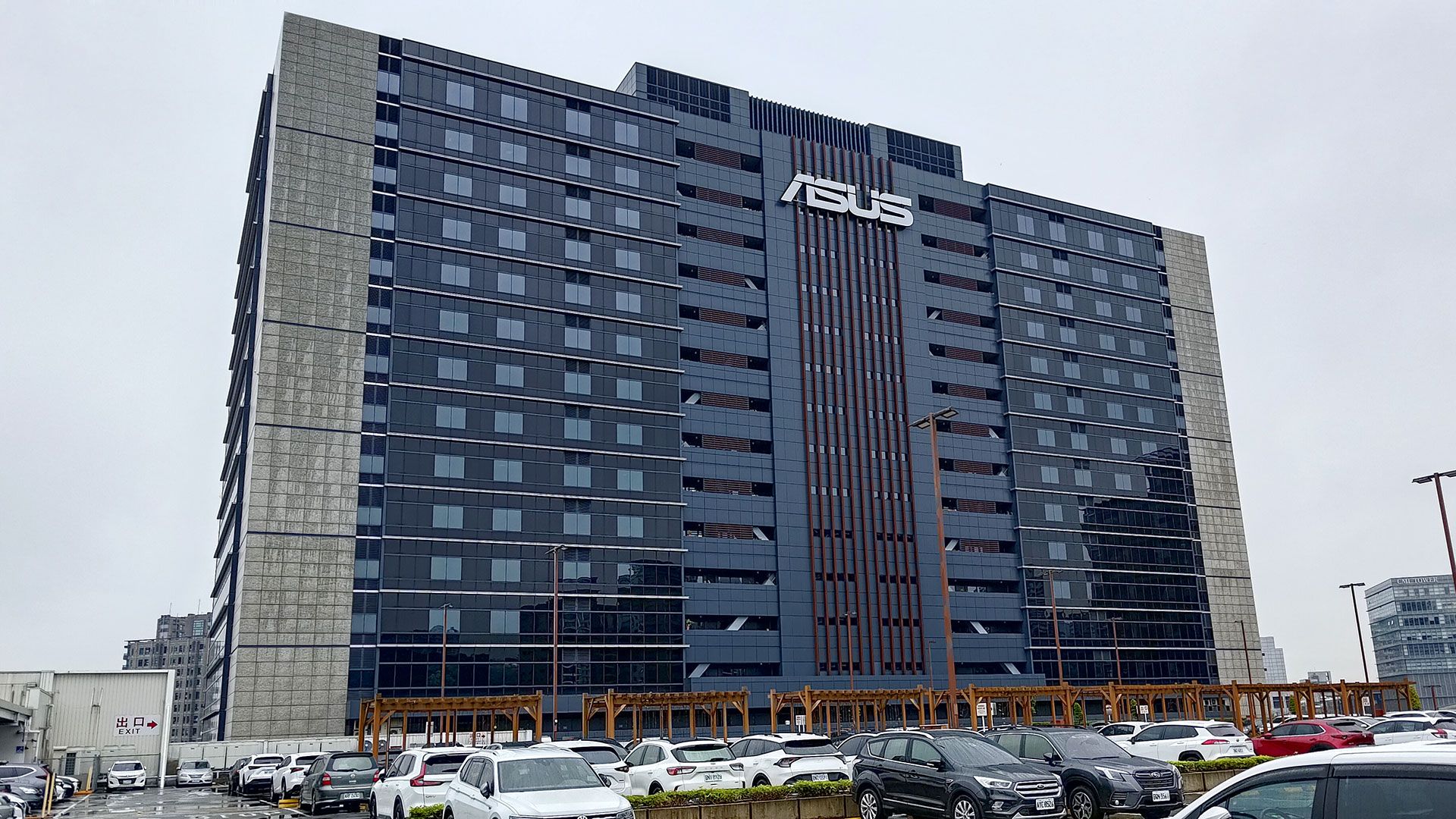
Asus has formally denied reports that it will enter memory manufacturing, stating it has "no plans to invest in a memory wafer fab" and will instead deepen cooperation with existing memory suppliers and adjust product specs and lifecycles. The clarification comes amid a severe DRAM shortage — spot DDR5 IC prices have quadrupled — and amid industry forecasts that supply pressure may ease anywhere from H2 2026 to mid-2028, a period during which memory vendors are maintaining elevated margins rather than rapidly expanding production. For investors, the denial removes a speculative vertical-integration thesis for Asus and underscores ongoing supply tightness and margin tailwinds for incumbent memory producers.
Market structure: The Asus denial removes a low-probability entrant to DRAM wafer supply, reinforcing incumbent oligopoly dynamics (Samsung, SK Hynix, Micron). That preserves pricing power and gross-margin tailwinds for memory suppliers; expect ASPs to remain elevated versus pre-2023 levels until material new capacity arrives (consensus 2H2026–mid-2028). OEMs (Asus, DELL, HPQ) remain exposed to elevated BOM costs and inventory squeezes over the next 2–12 months.
Risk assessment: Tail risks include a sudden Chinese capacity surge (YMTC/SMIC support) or a demand collapse from an AI build slowdown — either could swing ASPs ±30–50% within 12–24 months. Near term (days–weeks) market reaction to the denial is negligible; medium term (quarters) depends on supplier capex announcements and quarterly ASP reports. Hidden dependency: module vs IC confusion masks inventory timing — OEM procurement cycles can lag spot ASP moves by 1–3 quarters, creating delayed margin shocks.
Trade implications: Favor long incumbents (MU, 6–24 month horizon) and semiconductor equipment names if capex resumes; underweight/short PC OEMs and memory-module assemblers with thin margins. Use call-spreads/LEAPS on MU to capture sustained margin expansion while capping premium; consider pair trades (long MU, short 2357.TW or DELL) to isolate DRAM exposure. Entry/exit: enter on ≤5% pullback or after next supplier quarter report; trim on a 20% decline in DRAM spot prices or announcement of >20% incremental industry capacity.
Contrarian angles: Consensus underestimates the length of a deliberate capacity discipline cycle — vendors are monetizing a commodity-like asset with pricing power, which could produce multi-quarter abnormal profits. Conversely, the market may be underpricing the risk that OEMs will accelerate vertical contracts or strategic inventory hedges, compressing future ASP volatility. Historical parallels: NAND cycle 2016–2018 shows multi-year elevated margins when suppliers delay capex.
AI-powered research, real-time alerts, and portfolio analytics for institutional investors.
Request DemoOverall Sentiment
neutral
Sentiment Score
-0.15
Ticker Sentiment
