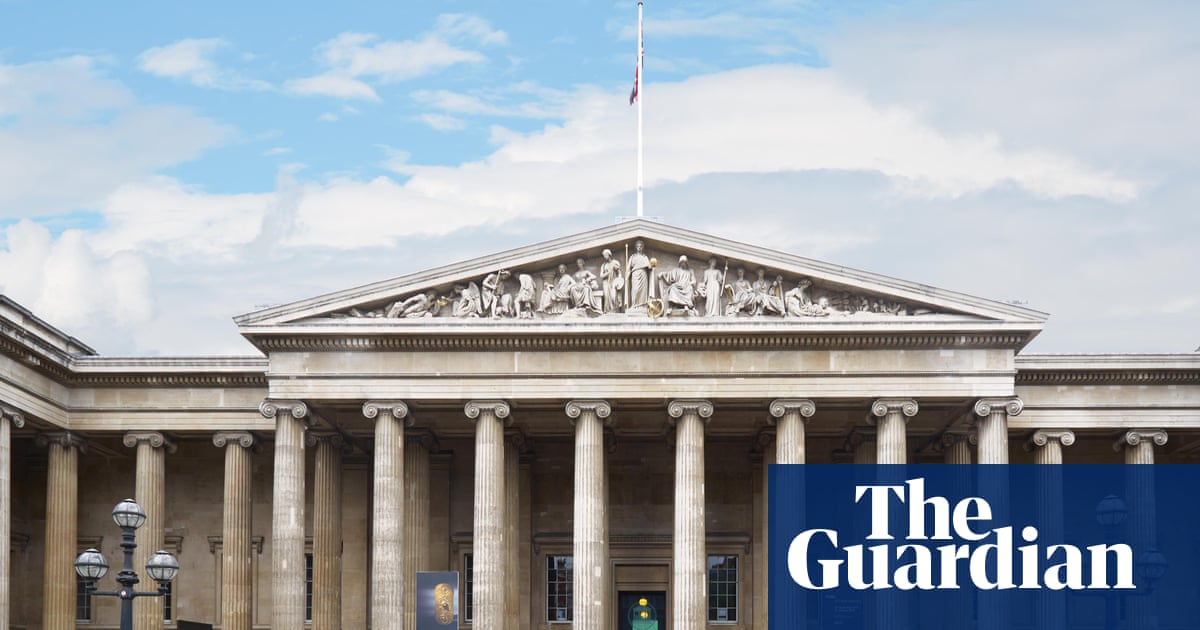
The British Museum postponed a Jewish culture month lecture on ancient Israel and Judah after saying registered attendees included individuals intending to disrupt the event; the rescheduled talk is expected early next month with a livestream. The decision drew criticism from Conservative leader Kemi Badenoch, Jewish commentators, and free-speech advocates, while supporters of the postponement cited safety and protest concerns. The article is primarily about cultural event management and public controversy rather than a direct financial-market catalyst.
This is less about one museum lecture and more about the pricing of institutional caution under protest risk. The second-order effect is a measurable chilling impact on publicly funded cultural venues: once one venue concedes to disruption risk, peers tend to over-index on security optics, which increases event costs, reduces programming flexibility, and raises the hurdle rate for politically sensitive content. The near-term beneficiary is not any one speaker but the broader security, event-management, and private-venue ecosystem that can market “controlled access” and reputational insulation.
The more important signal is governance fragility: boards will now face a sharper binary between “safety” and “speech,” and that creates asymmetric downside for institutions with mixed public-facing mandates and weak stakeholder alignment. In practice, that means more preemptive cancellations, more livestream substitutions, and more legal review, all of which raise friction for live attendance and sponsorship monetization over the next 1-3 quarters. For media and cultural institutions, the risk is that each incident becomes an operating precedent, not an isolated headline.
Contrarian view: the market may be overestimating the permanence of the reputational hit. The backlash itself can force clearer policies, better access controls, and more disciplined event segmentation, which eventually lowers disruption risk. The medium-term winner may be the institutions that can demonstrably keep controversial programming live without incident; those that prove competence will capture audience share and donor confidence at the margin.
For public equities, the cleanest expression is indirect: a modest long bias to companies with event-security, venue tech, and livestream infrastructure exposure, while avoiding names with high dependence on live, physically attended programming in politically charged settings. The trade horizon is days-to-weeks for headline volatility, but months for operational knock-on effects in booking, insurance, and sponsorship negotiations.
AI-powered research, real-time alerts, and portfolio analytics for institutional investors.
Request DemoOverall Sentiment
neutral
Sentiment Score
-0.10
