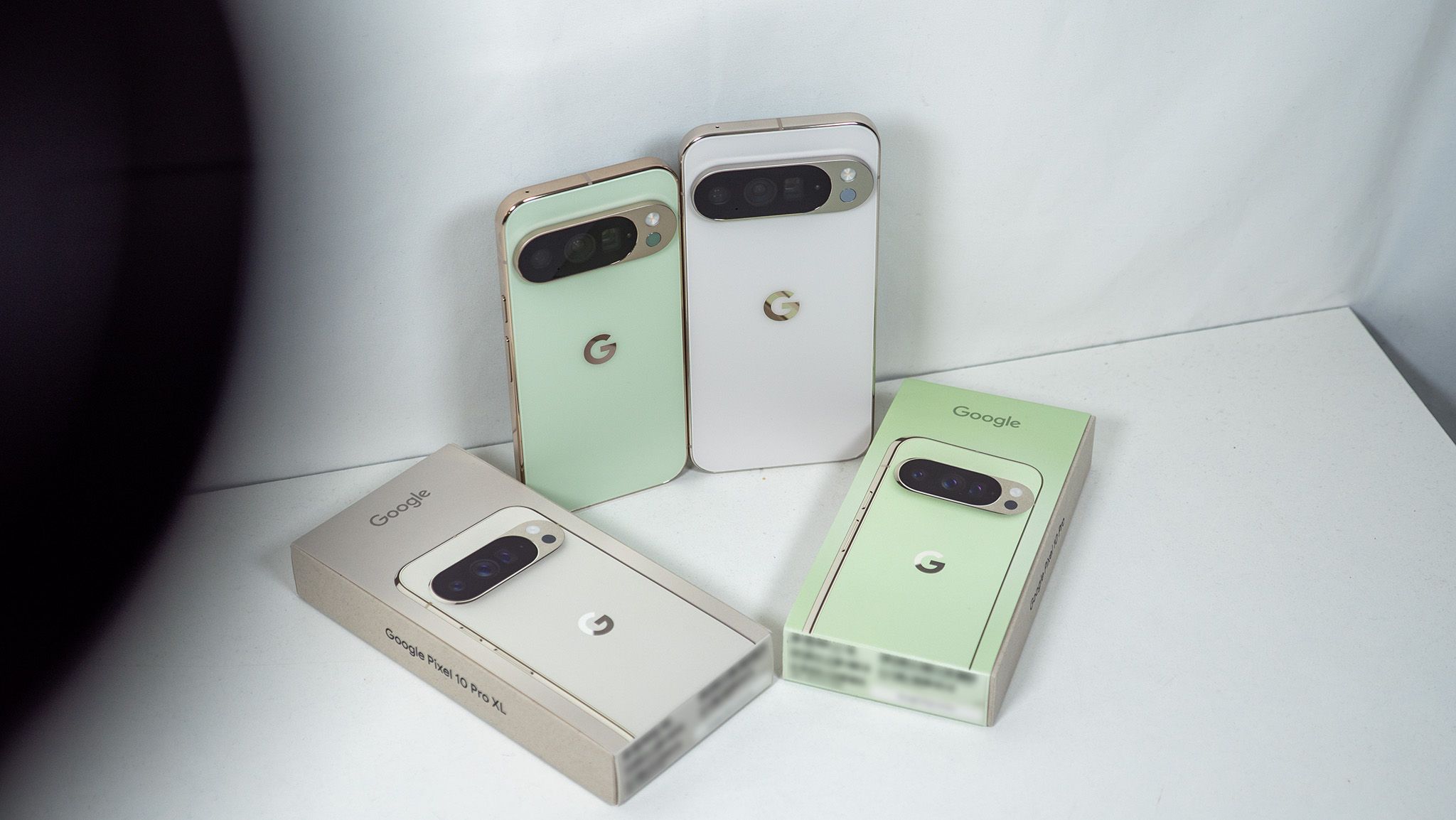
Google began rolling out its May 2026 Pixel security update to devices from the Pixel 7a through the Pixel 10 series, including the Pixel Tablet, with build vCP1A.260505.005. The patch targets slow wireless charging at 75%-80% battery, Pixel 10 camera freezing during zoom adjustment, keyboard/input screen freezing, and multiple Pixel 10 display defects including flickering white dots, fuzziness, freeze-ups, and noise lines. The update is a routine maintenance release with modest product-support implications rather than a direct financial catalyst.
This reads as a quality-control problem, not a demand problem. The key second-order effect is that repeated post-launch patches for core UX issues raise the probability of heavier warranty burden, higher support costs, and slower upgrade velocity among power users — exactly the cohort that influences Android ecosystem sentiment. Even if the monetary impact on GOOGL is immaterial in the near term, persistent device instability can widen the perceived reliability gap versus iPhone, which matters more for premium share and services monetization than for hardware margin.
The market is likely underweighting the reputational drag because each fix is framed as routine maintenance, but the cadence implies an engineering allocation tax: every patch cycle spent stabilizing Pixel 10 is time not spent shipping differentiated AI features. That creates a subtle competitive opening for Samsung and Apple, both of which can market “boring reliability” into the premium segment. Over the next 1-3 months, the biggest risk is not one bad update but a pattern that suppresses Pixel enthusiasm into the next launch cycle and reduces carrier promotional willingness.
For GOOGL, this is unlikely to move the stock on its own, but it is a useful tell on device-stack execution. The contrarian view is that repeated fixes may actually extend the life of the Pixel install base because users tolerate software issues longer than hardware failures, especially when the patch cycle is fast and visible. In that sense, the issue is more of a brand tax than a structural share loss unless the defects continue into the next major release window.
AI-powered research, real-time alerts, and portfolio analytics for institutional investors.
Overall Sentiment
neutral
Sentiment Score
0.10
Ticker Sentiment
