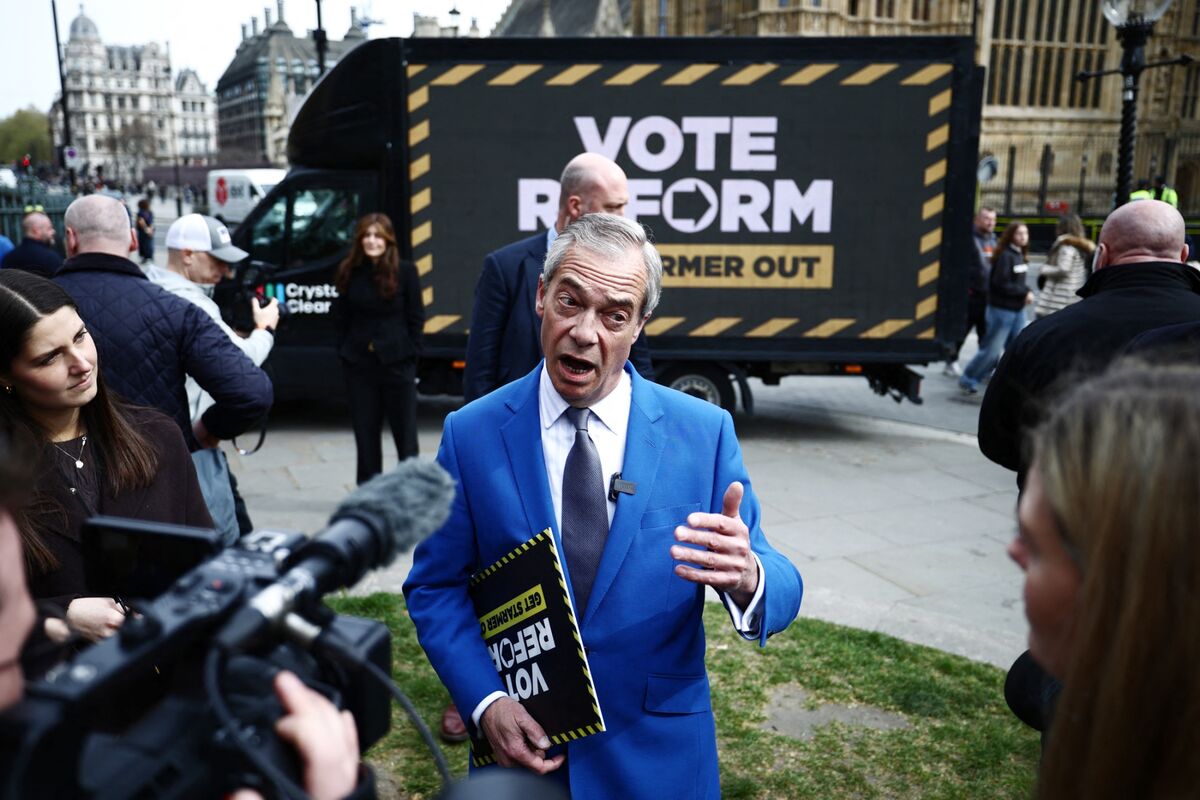
A new YouGov MRP poll projects Labour will lead in only 15 of 32 London boroughs in next month’s local elections, down from 21 four years ago. The Greens are forecast to top the vote in four boroughs and Reform UK in three, signaling a notable erosion in Labour’s urban support and a setback for Keir Starmer’s governing party. The article is politically significant but likely limited in direct market impact.
This is less a one-off local polling story than a signal that the governing party is leaking support at both ideological edges, which usually matters most for flow-sensitive UK assets when it feeds a broader “policy paralysis” narrative. The second-order effect is not direct fiscal change from London councils, but a sharper perception that the next 6–12 months bring higher odds of softened reform delivery, more intra-party triangulation, and a less stable backdrop for domestically exposed equities. That tends to compress multiples most in names where investors already own the policy improvement story rather than the balance sheet story.
The market implication is asymmetric: defensive, multinational, and GBP-hedged earners should outperform local cyclicals if this becomes the dominant political tape into the next polling cycle. The real pressure point is sentiment and positioning in UK domestic growth beneficiaries — housing, retail, banks, and mid-cap builders — because those names trade on expectations of cleaner governance, planning reform, and business confidence. If that confidence erodes, even modestly, the effect can show up first in valuation derating before any actual earnings revision.
The contrarian view is that local election losses can be overread as a national regime shift; these polls often punish incumbents in low-turnout settings without immediately changing Westminster policy capacity. If the government responds with sharper delivery on planning, transport, and housing over the next 1–2 quarters, the narrative can reverse quickly because the market is positioned for disappointment rather than acceleration. The cleanest trade is therefore not a blanket UK short, but a relative-value expression against the most policy-sensitive domestic names, with a defined stop if official rhetoric turns more pro-growth.
AI-powered research, real-time alerts, and portfolio analytics for institutional investors.
Request TrialOverall Sentiment
moderately negative
Sentiment Score
-0.35
