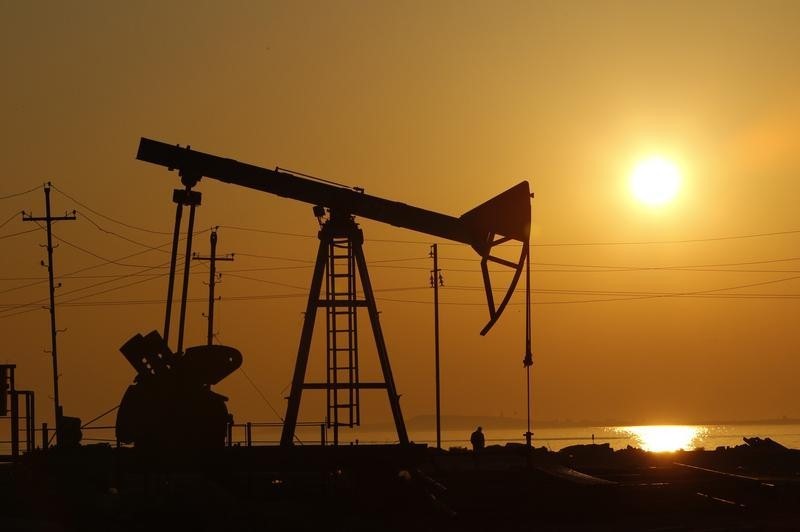
Brent rose 2.8% to $103.01/bbl and WTI increased 2.6% to $95.54/bbl as Iran-related supply fears kept Brent above $100. The Strait of Hormuz remains largely blocked despite reports of some India- and Pakistan-flagged tankers getting through, threatening ~20% of global oil flows while US appeals for allied policing were mostly rebuffed, elevating near-term inflation risk ahead of key Fed/ECB/BOJ meetings this week.
The immediate market impact is being driven by a logistics shock that increases marginal delivery costs more than headline production cuts. Tanker re-routing, higher time-charter/insurance spreads, and longer voyage days raise effective landed oil costs to Asia by a multiplier (even a 5–10% increase in voyage days can translate to ~$1–3/bbl on delivered cost), amplifying physical tightness independently of spare capacity. This structural uplift in delivered energy costs is more persistent than a headline spike because it embeds in trade routes, insurance contracts, and refinery scheduling for months.
Macro transmission is fast: energy-driven input-price shocks raise inflationary persistence and therefore increase the probability of hawkish central bank actions within the next 1–3 months, compressing growth multiples. That creates a two-speed market — commodity cash generators and real-asset owners rerate higher, while rate-sensitive, high-PE growth names face downside until either inflation path or policy guidance changes. Expect volatility to cluster around central-bank announcements and any credible diplomatic progress windows.
Winners are owners of physical leverage to tanker days and immediate production — integrated and independent upstream players, strategically located storage, and specialty insurers/owners of LR2/ULCC tonnage; losers include tight-margin refiners in import-dependent Asia, airlines, and ad-revenue dependent tech names that suffer from downgraded consumer spend. For technology: secular demand for AI servers (SMCI exposure) remains durable, but SMCI is exposed to near-term multiple risk from a hawkish policy shock; ad-tech and user-monetization plays (APP exposure) are more cyclically sensitive and likely to underperform if ad budgets are cut in the next 2–6 quarters.
A rapid geopolitical de-escalation or coordinated allied naval/insurance solution would implode the premium within weeks — this is the single largest reversal risk; conversely, a protracted closure that forces longer-term rerouting or sustained insurance premium normalization at elevated levels would embed a new, higher-equilibrium cost for global oil flows. Short-dated volatility will remain the dominant tradeable; medium-term outcomes hinge on either diplomatic progress (weeks) or entrenched rerouting/contract resets (months).
AI-powered research, real-time alerts, and portfolio analytics for institutional investors.
Request DemoOverall Sentiment
strongly negative
Sentiment Score
-0.60
Ticker Sentiment
