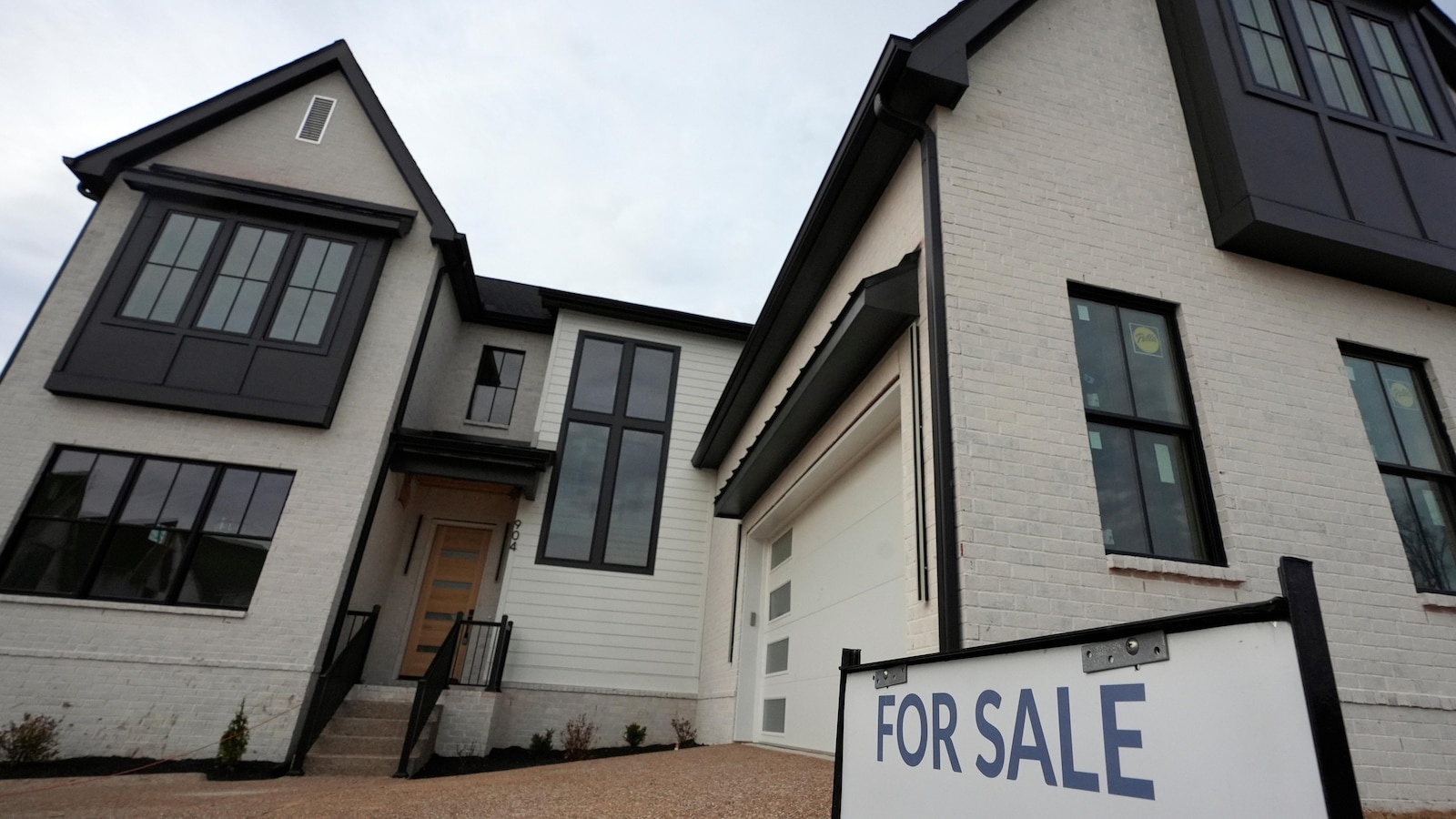
U.S. existing home sales fell 3.6% in March to a seasonally adjusted annual rate of 3.98 million, below the 4.06 million consensus and down 1% from a year earlier. The national median home price still rose 1.4% year over year to a record March high of $408,800, but mortgage rates have climbed back to 6.37% from 5.98%-6.16% earlier in the year. NAR now expects 2026 sales to rise 4%, down sharply from its prior 14% forecast, as higher rates and softer consumer confidence weigh on demand.
Housing is not just soft; it is entering the part of the cycle where lower rates stop being enough because affordability is now constrained by the payment level, not the sticker price. That matters for incremental demand: once existing owners are rate-locked and move-up buyers cannot clear the payment hurdle, transaction velocity can remain depressed even if inventory improves. The second-order effect is that housing may still behave like a stagflationary pocket of the economy — weak turnover, but sticky prices — which is poisonous for rate-sensitive cyclicals because it suppresses volumes without delivering the disinflation that would force mortgage rates materially lower. The clearest beneficiaries are asset-light rental and housing-adjacent cash flow names, not homebuilders. If resale turnover stays near current levels for another 2-3 quarters, demand should leak into rentals, self-storage, and home-improvement replacement spending rather than discretionary renovation big-tickets. Conversely, title insurers, mortgage originators, brokers, and transaction-exposed financials face a slow bleed: the issue is less delinquency and more the absence of deals, so earnings downgrades can emerge even without a credit event. The geopolitical wrinkle is that energy-driven inflation risk is re-tightening the affordability noose just as buyers were beginning to re-engage. If oil stays elevated, mortgage rates can reprice higher on the back of Treasury yields, which delays any housing recovery by another 1-2 quarters and raises the probability that the spring selling season becomes a false start again. The market may be underappreciating how fragile housing demand is to a 25-50 bp move in 30-year rates when confidence is already deteriorating. Consensus likely assumes housing is a delayed-rate-cut beneficiary; the better read is that it is a confidence and payment-constraint story first. A modest decline in borrowing costs will not restore transaction volume unless labor data stabilizes and consumers regain visibility on incomes. That sets up a narrow path for upside: softer inflation plus firmer job growth, otherwise the sector remains range-bound with prices sticky and volumes weak.
AI-powered research, real-time alerts, and portfolio analytics for institutional investors.
Request DemoOverall Sentiment
mildly negative
Sentiment Score
-0.35
