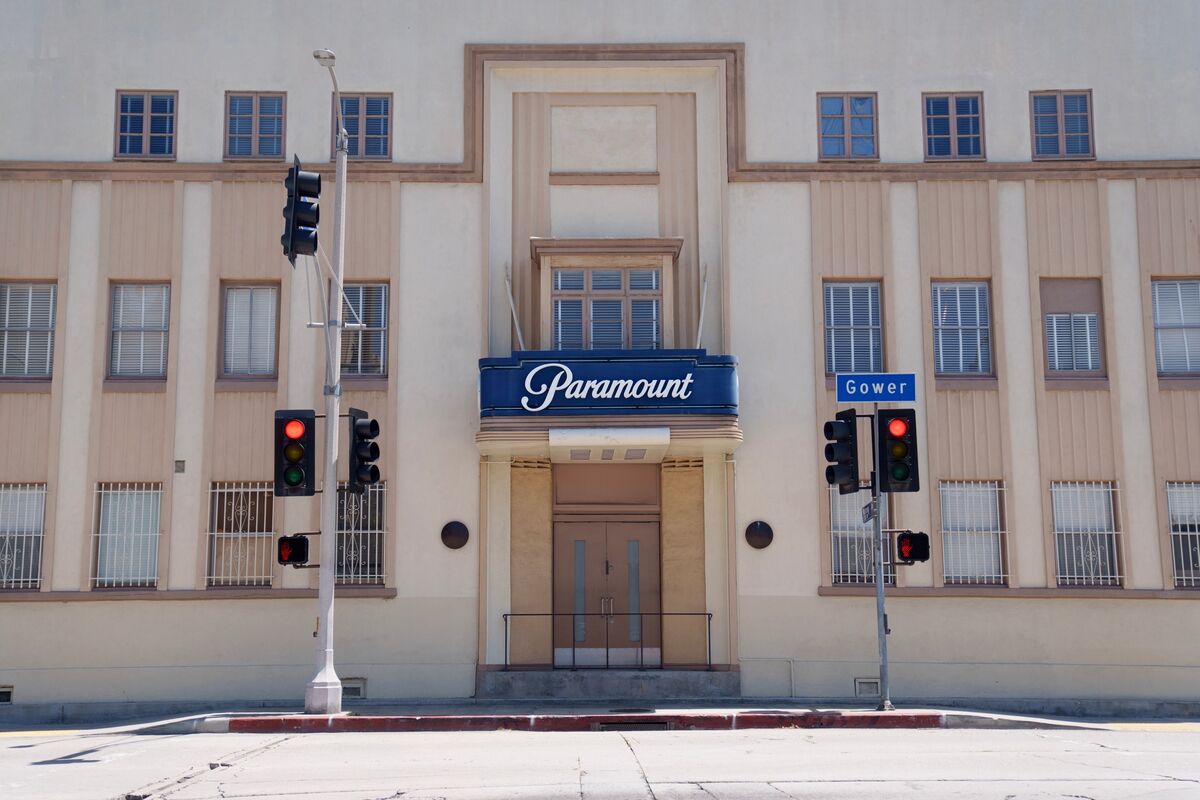
Paramount Skydance said it will keep all films in theaters exclusively for at least 45 days, then move them to streaming services like Paramount+ after 90 days. CEO David Ellison said the policy takes effect immediately and is meant to reinforce earlier commitments made to European regulators as scrutiny grows around the company’s pending Warner Bros. Discovery acquisition. The update is mainly a governance and antitrust signal rather than a direct financial catalyst.
This is less a theatrical-distribution update than a governance signal: management is trying to pre-commit to a friendlier exhibitor posture while an antitrust review is still live. The second-order effect is to reduce the probability that regulators or industry partners frame the pending Warner Bros. Discovery deal as an immediate “windowing abuse” story, which lowers headline risk around the transaction even if it does little to change the economics of content ownership.
For WBD, the near-term readthrough is mildly negative on deal optionality rather than fundamentals. The market may now assign a slightly lower probability of a fast, clean regulatory path because Paramount is clearly optimizing for approval optics, which can paradoxically strengthen the case that the transaction needs more concessions, a longer review, or behavioral remedies. That means the stock’s reaction should be judged over months, not days: any rerating likely comes from shifts in deal probability and remedies, not from the distribution policy itself.
The broader industry winner is theaters, because a firmer exclusive window supports attendance economics and improves visibility on slate performance versus a pure streaming-first model. But the bigger strategic implication is for streaming services: a 90-day monetization lag means more capital is tied up in theatrical P&L before a title can feed subscriber acquisition, which pressures companies with weaker balance sheets and favors studios that can finance longer cash conversion cycles. The contrarian read is that this may actually be a defensive move by Paramount, not a concessionary one—longer theatrical windows can preserve pricing power and reduce the risk that streaming becomes the default dumping ground for underperforming titles.
AI-powered research, real-time alerts, and portfolio analytics for institutional investors.
Request DemoOverall Sentiment
neutral
Sentiment Score
0.05
Ticker Sentiment
