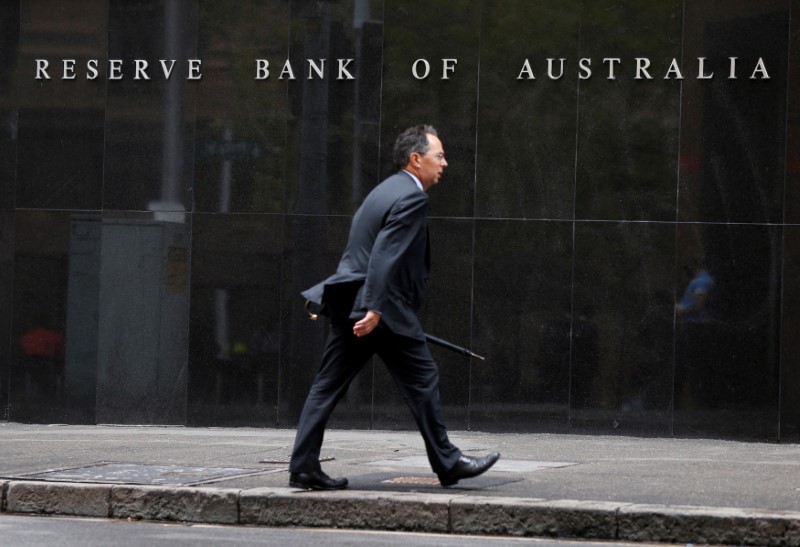
Australia’s headline inflation is now expected to peak at about 4.25% in mid-year, below the 5% forecast in the May federal budget, after lower oil prices and easing Middle East tensions improved the outlook. May CPI rose 4.0% year over year versus 4.3% expected, while trimmed-mean inflation was 3.6% versus 3.5% consensus. The data reinforce a data-dependent RBA stance after three rate hikes this year to 4.35% and leave the timing of further policy moves uncertain.
The key signal is not Australia-specific inflation; it is the marginal downshift in global inflation impulse when energy prices soften and geopolitical risk premia fade. That matters for rates because a lower imported-inflation path gives central banks room to stay restrictive without needing to hike further, which tends to compress front-end yields first and then steepen curves only if growth holds up. In FX terms, a less inflationary world usually reduces the urgency of USD carry support, but the bigger second-order effect is that the market becomes more willing to fund risk assets off lower real-rate expectations rather than higher nominal growth.
For equities, the immediate beneficiaries are duration-sensitive growth names and lower-quality balance-sheet stories that are most exposed to discount-rate relief. The more interesting read-through is that AI/semiconductor demand is less about headline inflation and more about whether lower yields extend the runway for capex financing and equity multiples; that favors profitable growth over unprofitable narratives, which is why the listed AI winners remain the cleaner expression than broad indices. Conversely, energy-linked cyclicals lose some of the inflation hedge bid, and any positioning crowded into dollar debasement/commodity inflation trades gets vulnerable to a unwind if crude stays contained for several weeks.
The consensus may be underestimating how quickly a softer inflation print can change central-bank reaction functions even without a clean growth slowdown. If the next 1-2 monthly releases confirm disinflation, rate-cut pricing can move forward by a quarter, which is enough to trigger systematic re-leveraging in long-duration equities and weaken the dollar at the margin. The main reversal risk is a renewed Middle East supply shock: that would reprice energy, re-accelerate goods inflation, and restore the dollar’s safe-haven bid almost immediately, so the trade needs tight time stops rather than a long-duration macro thesis.
AI-powered research, real-time alerts, and portfolio analytics for institutional investors.
Request DemoOverall Sentiment
neutral
Sentiment Score
0.05
Ticker Sentiment
