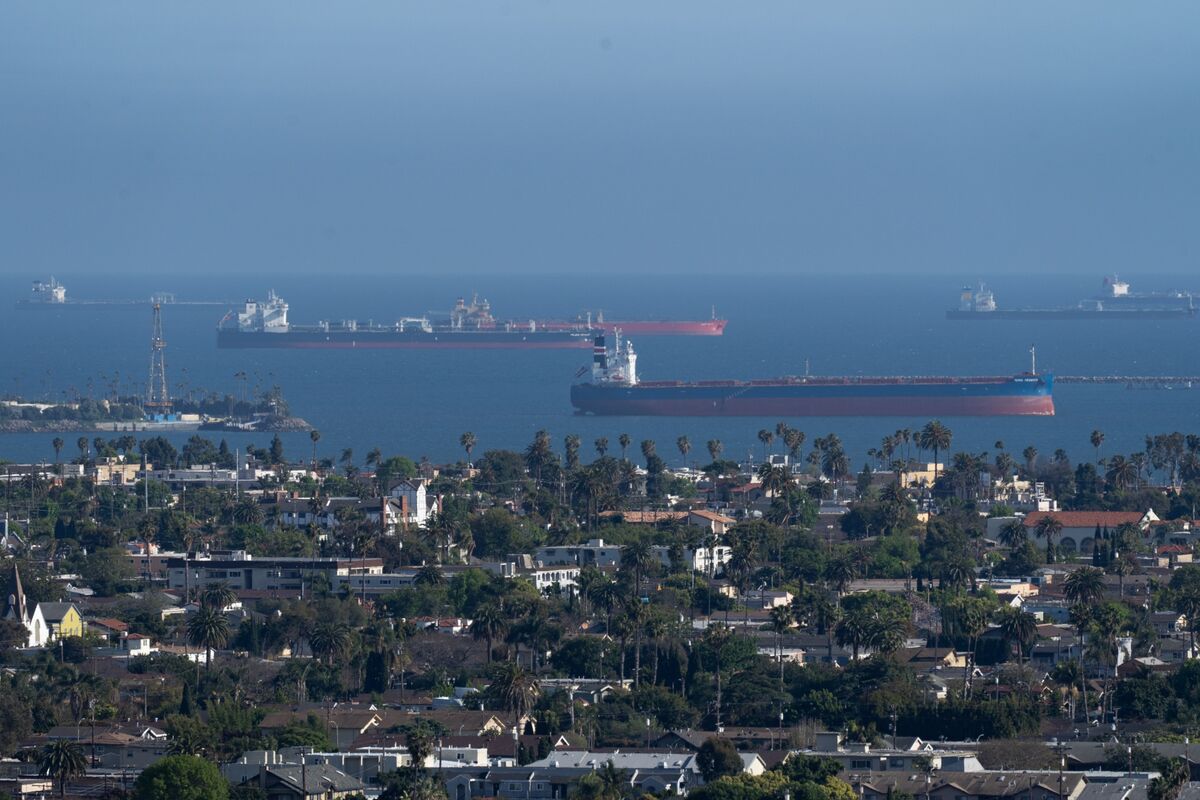
A growing oil glut as Persian Gulf supply ramps up after the Strait of Hormuz reopens is driving Asian refiners to offer some cargoes to far-flung destinations, including California. Traders cite faster restoration of output in the UAE, Kuwait and Qatar following an interim US-Iran peace deal, while China’s demand has stayed on the sidelines—pressuring regional crude balances. The shift in crude flows suggests more westward supply and potential downstream margin pressure for processors and refiners tied to Middle East barrels.
This is a bearish set-up for upstream beta more than for the whole energy complex. The key mechanism is not just added barrels; it is the market finding an outlet outside the usual Asian pull, which reduces the scarcity premium embedded in prompt crude and erodes the confidence that geopolitics will keep the strip structurally tight. That tends to hit high-variance producers first: shale names with slower payout periods and weaker balance sheets should underperform majors if the front end of the curve keeps softening.
The cleaner relative-value beneficiary is West Coast refining/logistics rather than the broad energy ETF. If discounted Middle Eastern crude is clearing into California, local feedstock optionality improves for PADD 5 refiners, while longer-haul flows can also support tanker utilization; however, this only works if refined product demand holds and cracks do not collapse alongside crude. The second-order loser is the service stack: if the strip reprices lower for more than a few weeks, E&P capex discipline will intensify and 2025/26 activity expectations for SLB/HAL/BKR-type exposures get marked down.
Timing matters. In the next few sessions this should read through as pressure on Brent-linked equities and oil ETFs; over 1-3 months, watch for inventory builds, weaker prompt spreads, and a narrower geopolitical risk premium. Over 6-18 months, sustained Gulf normalization would be a valuation headwind for the sector, because the market will not pay the same multiple for cash flows it now sees as less protected by supply shocks. The main falsifier is a fast China re-entry or an interruption to the reopened supply route that re-tightens the physical balance.
AI-powered research, real-time alerts, and portfolio analytics for institutional investors.
Overall Sentiment
mildly negative
Sentiment Score
-0.25
