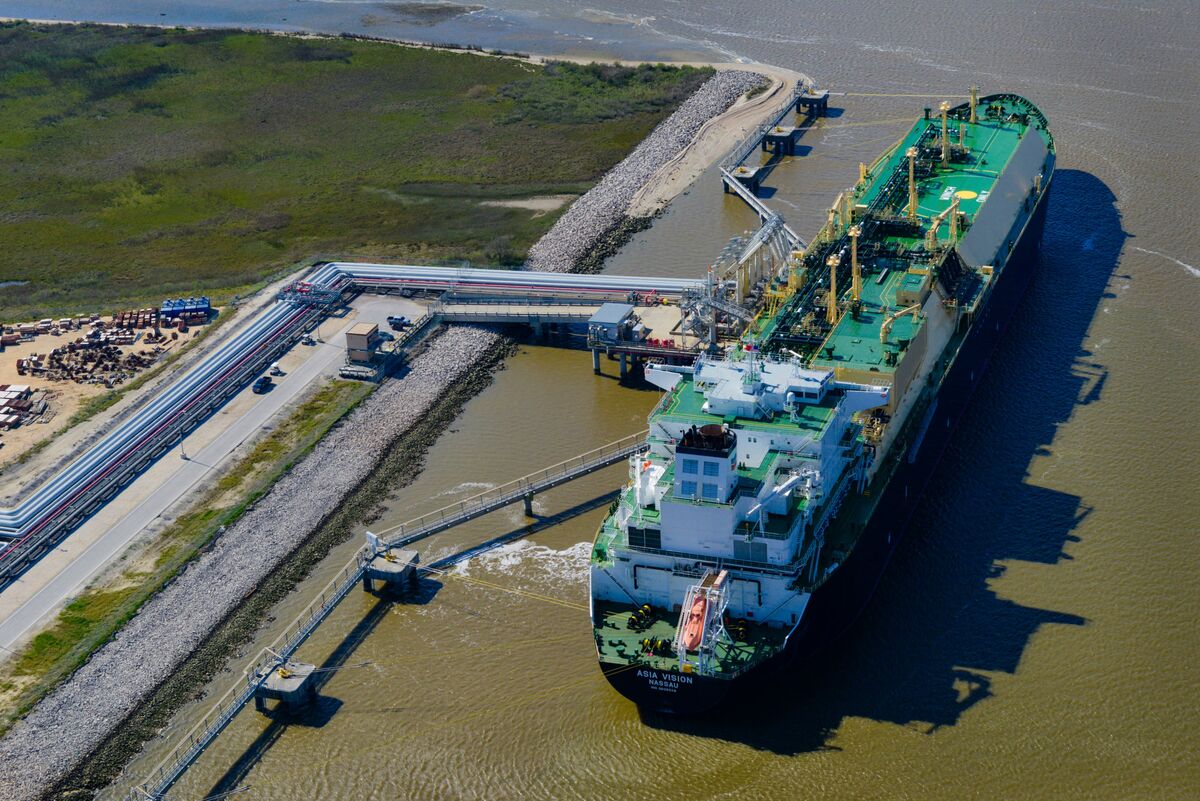
Spot LNG tanker freight rates jumped as record North American exports tied up vessels, pushing the US-to-Europe hire rate roughly 12% higher on Friday to $130,750/day — the highest level since December 2023, according to Spark Commodities. The rally, which has accelerated since early October as output from new North American projects ramps up, tightens shipping capacity and supports shipping-sector revenues while raising delivered LNG costs for buyers, particularly in Asia.
Winners are owners/operators of spot-exposed LNG tonnage and participants in freight derivatives; an incremental spot premium of tens of thousands of dollars per day per vessel translates into $15–30m annualized incremental EBITDA per ship, rapidly improving cashflow and credit metrics. Losers are short-cycle LNG buyers and spot traders in Asia whose delivered cost and margin compression will weigh on earnings and import volumes, shifting pricing power toward owners.
Tail risks include a wave of newbuild deliveries (2025–27) that can halve spot premia, major canal/port disruptions or sanctions that spike rates further, and regulatory moves limiting charterer flexibility; near term (days–weeks) volatility will be driven by weather and Panama/Canal throughput, while winter (Dec–Mar) underpins supportive demand, and structural easing is likely over 12–36 months. Hidden dependencies: bunker fuel price moves, re-routing economics, and duration of eastbound voyages materially change netbacks.
Tradeable implications: buy spot-leaning shipping equities and freight FFAs into winter while sizing positions for mean reversion; favor instruments with defined risk (call spreads) and calendar FFA longs Dec–Feb. Pair trades that long shipowners and short import-dependent utilities/commodity traders express the asymmetric payoff; time exits to post-winter vessel deliveries or a 30–40% collapse in FFAs.
Contrarian: consensus overlooks how quickly charter-market economics revert once a modest number of newbuilds or cargo re-routings hit the water — prices can overshoot on the upside and crash. Historical parallels (post-spike normalization 2023) suggest favoring short-dated, convex exposure rather than large multi-year directional longs in shipping equities.
AI-powered research, real-time alerts, and portfolio analytics for institutional investors.
Request DemoOverall Sentiment
mildly positive
Sentiment Score
0.30
