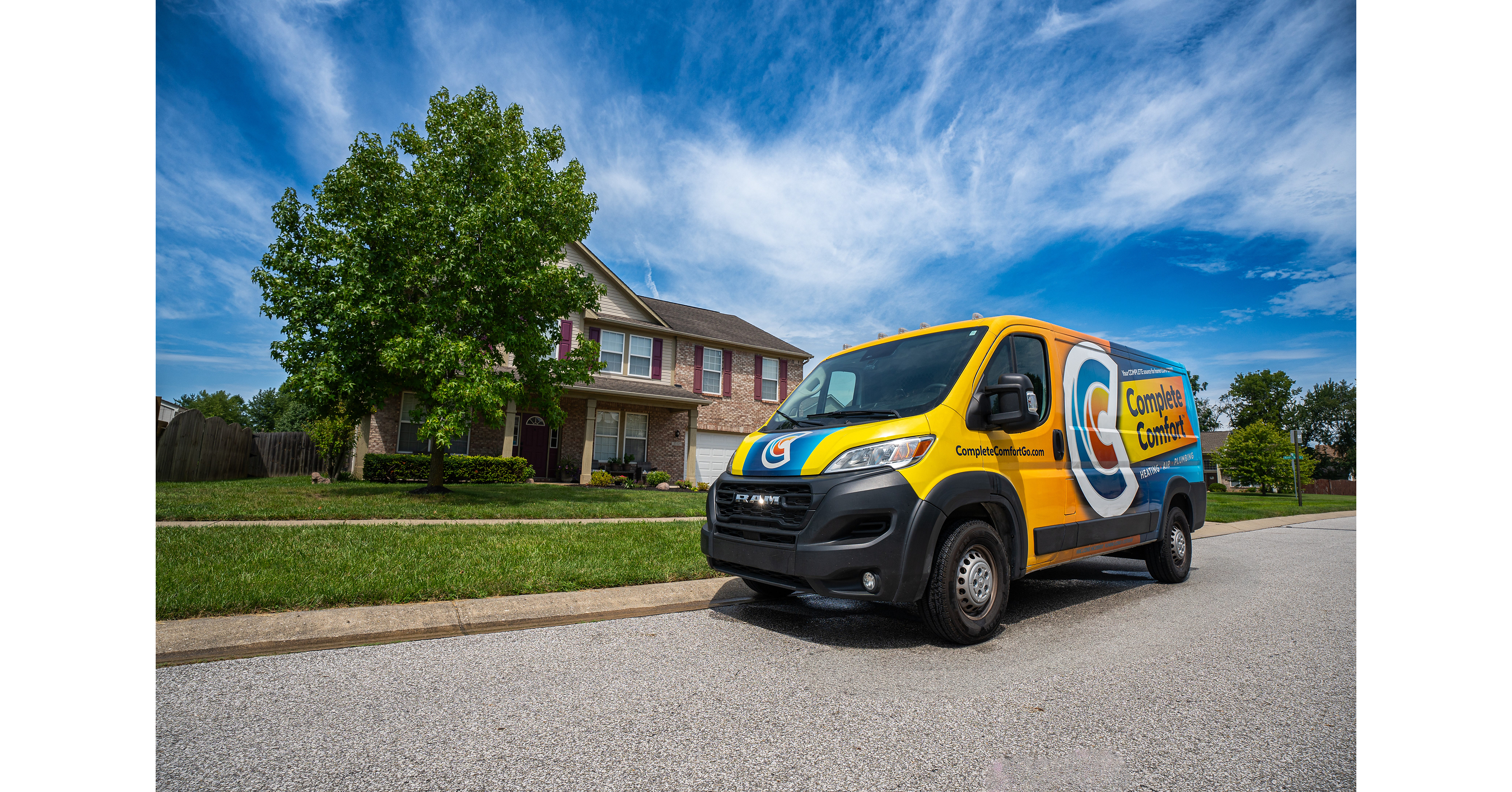
Complete Comfort Heating, Air and Plumbing (Indianapolis) urges homeowners to prepare AC systems for peak summer heat via monthly filter changes, keeping the outdoor condenser clear, maintaining a consistent thermostat setting, ensuring vents are unobstructed, and scheduling professional maintenance (coil cleanings, refrigerant and component inspections). The article emphasizes that preventive upkeep can reduce energy costs and lower the risk of unexpected repairs and equipment failure during extreme heat. No financial results, forecasts, or market-moving corporate actions are provided.
This is mostly a seasonal reminder, not a fresh investable catalyst. The economic value sits in the aftermarket: filters, coils, refrigerant top-offs, and emergency labor have better pricing power in heat spikes than new-unit OEMs do, so the cleanest public-market read-through is to distributors and service-heavy names like WSO, CARR, LII, and JCI rather than housing-linked retail. The second-order effect is that proactive maintenance can actually delay replacement demand a bit, which is mildly negative for OEM shipment volumes over the next 1-2 quarters even as it supports parts revenue.
The more interesting near-term mechanism is margin, not top-line. In prolonged heat, local service shops can see backlog and overtime costs rise faster than ticket sizes, so the benefit accrues to scaled operators with dispatch density and inventory breadth, while small independents may see some volume but not much operating leverage. Utilities are the other indirect winner if peak load persists, but that trade is more about kilowatt-hour volume and less about this article specifically.
Contrarian view: this kind of content usually gets misread as demand strength when it is really just peak-season behavior. Unless heat anomalies last 4-8 weeks and show up in channel checks or guidance, the public-market impact should stay small; the real falsifier is a return to normal cooling-degree days or evidence that households are simply delaying failure, not accelerating replacements. The only durable bull case would be if repeated extreme heat changes consumer behavior enough to pull forward HVAC replacement cycles over 6-18 months.
AI-powered research, real-time alerts, and portfolio analytics for institutional investors.
Request TrialOverall Sentiment
neutral
Sentiment Score
0.02
