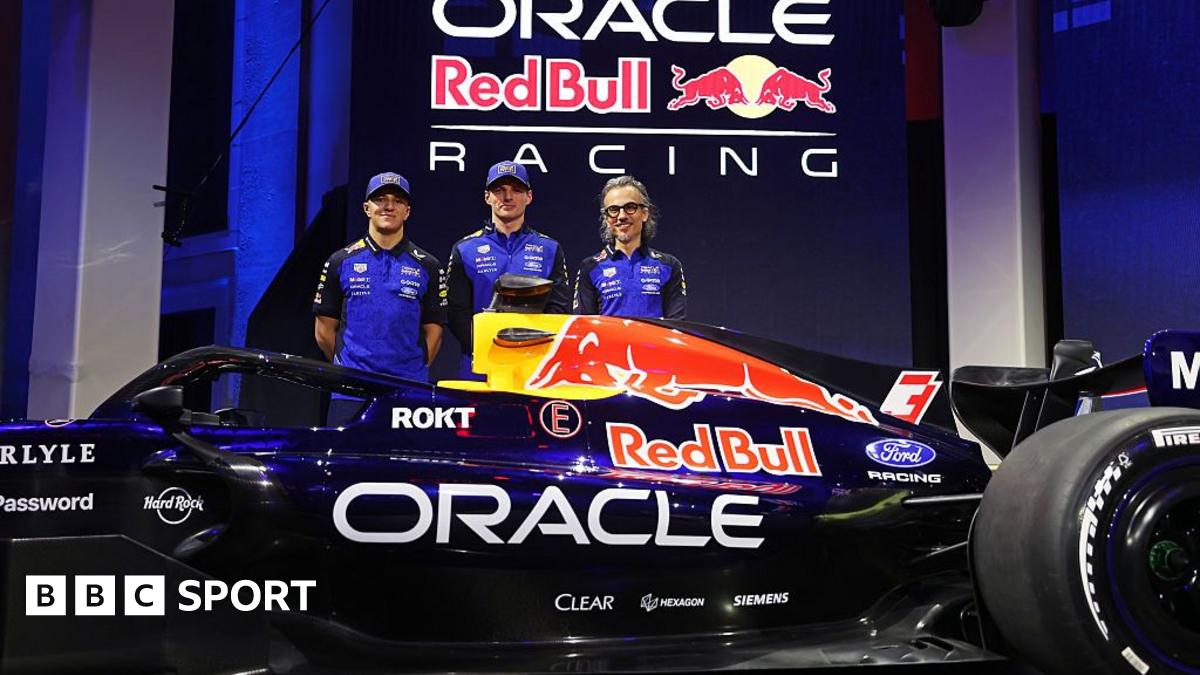
Red Bull has formally partnered with Ford to develop its new 2026 F1 power unit under major rule changes that increase electrical power to roughly a 50/50 split with the internal combustion engine and mandate fully sustainable fuels. Red Bull Powertrains has built a new engine factory in Milton Keynes, recruited ~700 staff and gained Ford manufacturing capability and procurement leverage, but team leaders warn of near-term struggles while expressing long-term confidence. A regulatory flashpoint over potential compression-ratio exploitation involving Red Bull and Mercedes has prompted an FIA meeting with engine manufacturers on 22 January, creating near-term technical and compliance risk for competitors and suppliers.
Market structure: Ford (F) and Red Bull Powertrains (RBPT via RACE partnership mention) are clear beneficiaries—Ford gains accelerated access to high-margin, high-tech EV/power-electronics IP and procurement leverage that can compress supplier margins by 5–15% for bespoke parts. Short-term winners also include precision manufacturing & advanced 3D‑printing suppliers (outsized order flow, faster cycle-times); losers are incumbent bespoke F1 engine builders (Mercedes/Ferrari) who face a steep competitive ramp and potential pricing pressure for specialized suppliers.
Risk assessment: The biggest tail risks are a punitive FIA ruling (Jan 22 meeting) that forces hardware changes costing tens of millions and wipes near-term lap-time advantage, and integration failures between Ford and RBPT that inflate CAPEX >€100m. Immediate catalyst window is the Jan 22 meeting (days); short-term is the 2026 season (weeks–months) where performance volatility will drive sponsorship/stock sentiment; long-term (2–5 years) is IP commercialization into road EV powertrains.
Trade implications: Tactical equity exposure to F is warranted (industrial scale + procurement + branding). Use capped option structures (12–18 month LEAPS call spreads) to express upside while limiting downside from early-season underperformance. Consider a relative-value pair: long F vs short RACE to capture Ford’s manufacturing leverage vs Ferrari’s exposure to competitive displacement and regulatory uncertainty.
Contrarian/second-order: Consensus underestimates how quickly Ford’s OEM buying power can solve EV supplier access—this is an underpriced scalability advantage. Conversely, markets may overrate PR; if Red Bull struggles early (as management warned), F equity upside will be delayed—use volatility-decay option sells after initial regulatory clarity. Historical parallel: Mercedes’ long lead-in to competitive parity when it retooled engines (18–36 months), so expect season-level noise but durable tech gains.
AI-powered research, real-time alerts, and portfolio analytics for institutional investors.
Request DemoOverall Sentiment
mixed
Sentiment Score
0.05
Ticker Sentiment
