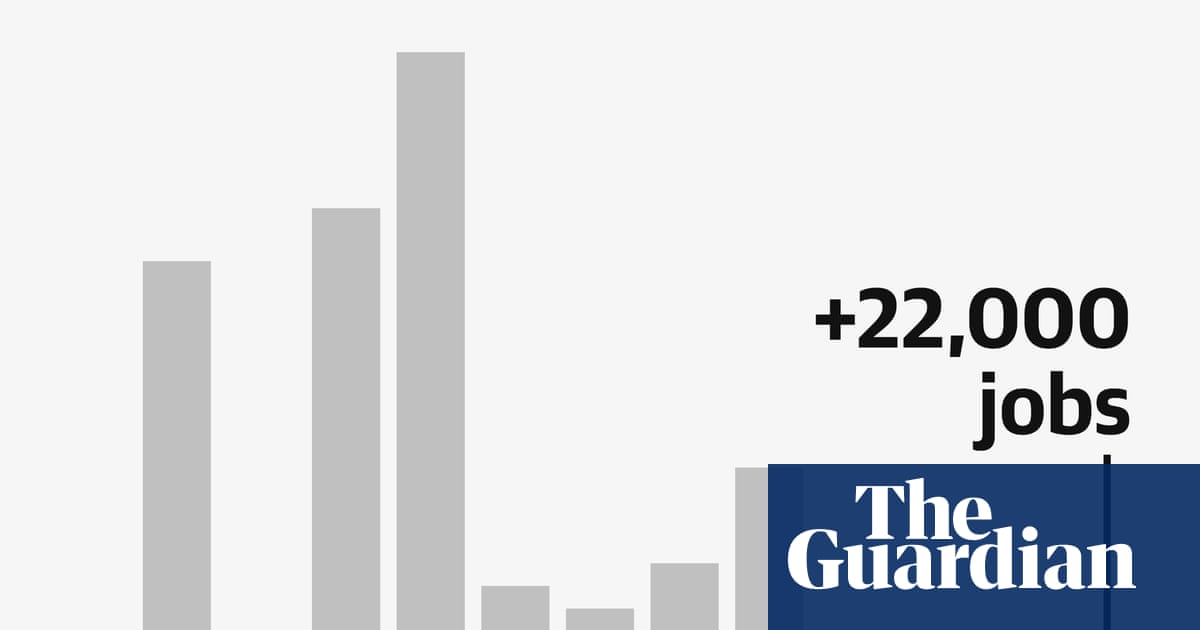
The US labor market significantly decelerated in August, adding a mere 22,000 jobs, with the unemployment rate rising to 4.3%, its highest since 2021. This follows substantial downward revisions to prior months, including a 13,000 job loss in June—the first negative since December 2020. This weakening trend, corroborated by private sector payroll data and attributed to factors like tariffs and broader economic uncertainty, signals rising downside risks to employment and is closely watched by the Federal Reserve for potential interest rate policy adjustments, despite caveats regarding policy impact.
The US labor market exhibited a significant deceleration over the summer, with the addition of just 22,000 jobs in August and the unemployment rate rising to 4.3%, its highest level since 2021. This weakness is compounded by substantial downward revisions to previous months, including a revision of June's data to a 13,000 job loss, the first monthly contraction since December 2020. The slowdown appears broad-based, with job losses in manufacturing (-12,000) and federal employment (-15,000) and a widening racial unemployment gap. This official government data is corroborated by independent sources; ADP's private payroll report missed expectations, adding only 54,000 jobs, and a Challenger, Gray & Christmas report showed a 39% month-over-month surge in announced job cuts. The data provides a strong justification for the Federal Reserve to consider a rate cut at its September meeting, as Fed Chair Powell acknowledged rising 'downside risks to employment.' However, Powell's commentary also highlighted significant uncertainty regarding the economic impact of tariff and immigration policies, suggesting any monetary easing will be accompanied by cautious forward guidance.
AI-powered research, real-time alerts, and portfolio analytics for institutional investors.
Overall Sentiment
strongly negative
Sentiment Score
-0.80
Ticker Sentiment
