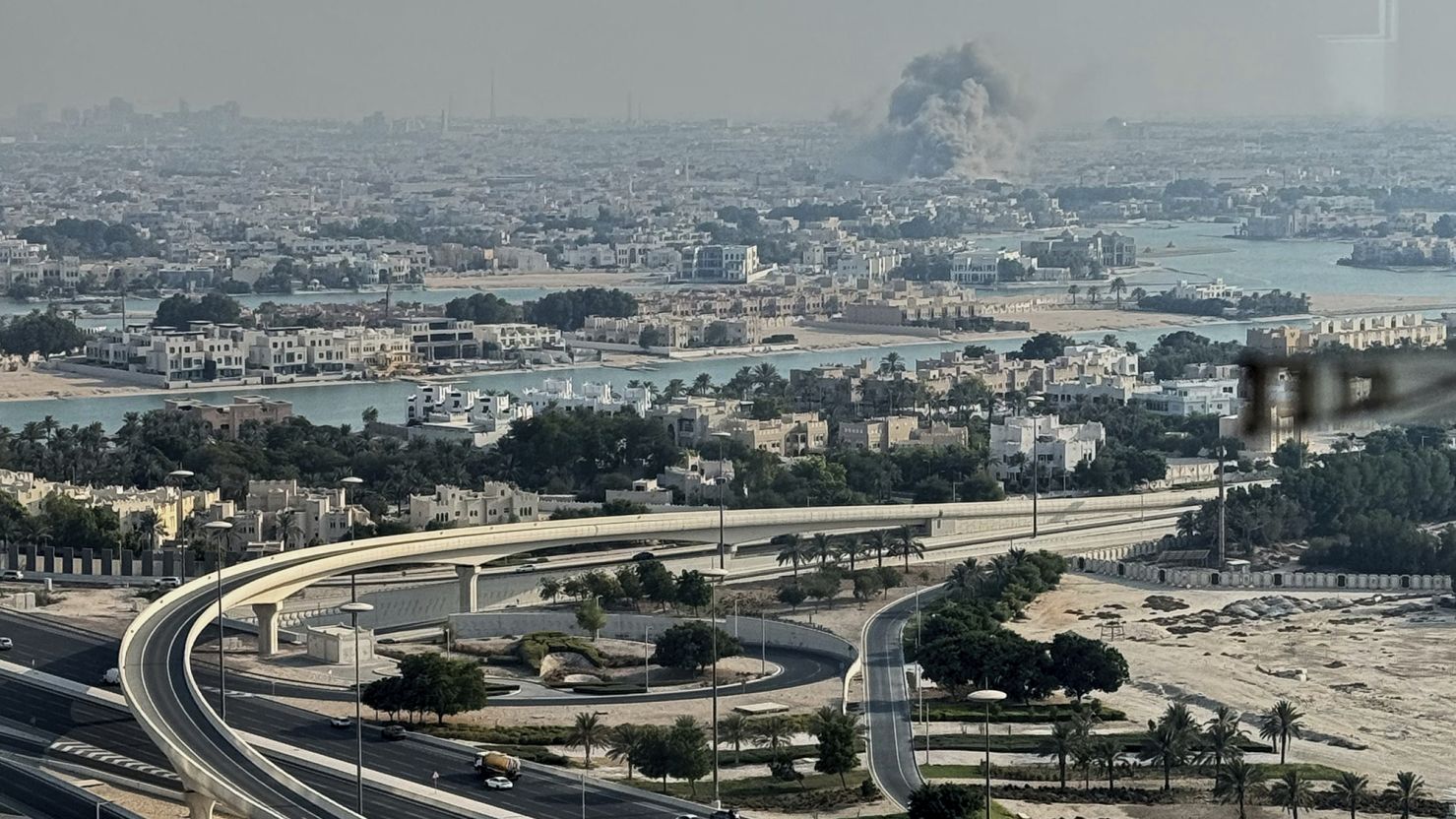
Israel conducted an unprecedented missile strike in Doha, Qatar, targeting senior Hamas leadership during critical US-brokered ceasefire negotiations. This action has severely strained relations with Qatar, a key US ally, undermined US credibility in the region, and jeopardized ongoing peace talks. The strike, which reportedly missed its primary target and killed lower-level Hamas members, raises significant questions about its strategic effectiveness and broader implications for regional stability.
Israel's unprecedented missile strike in Doha represents a significant strategic escalation and a high-stakes gamble that appears to have backfired. The operation, conducted during a critical US-brokered ceasefire negotiation, not only failed to eliminate its primary target, Hamas negotiator Khalil Al-Hayya, but has also severely damaged the diplomatic architecture essential for de-escalation. The action has strained relations with Qatar, a key US non-NATO ally and crucial mediator, which has decried the attack as 'state terrorism.' Furthermore, the strike blindsided the US administration, undermining American credibility and creating a visible rift between Washington and Tel Aviv, despite the White House stopping short of condemning the targeting of Hamas leaders. Internally, the decision by Prime Minister Netanyahu to proceed against the advice of his top security officials suggests a prioritization of domestic political pressures over strategic counsel, increasing policy unpredictability. The immediate outcome is the collapse of the peace process, erasing any clear path forward and elevating the risk of a prolonged, more volatile conflict, a sentiment underscored by the provided high market impact score of 0.8.
AI-powered research, real-time alerts, and portfolio analytics for institutional investors.
Request DemoOverall Sentiment
strongly negative
Sentiment Score
-0.75
