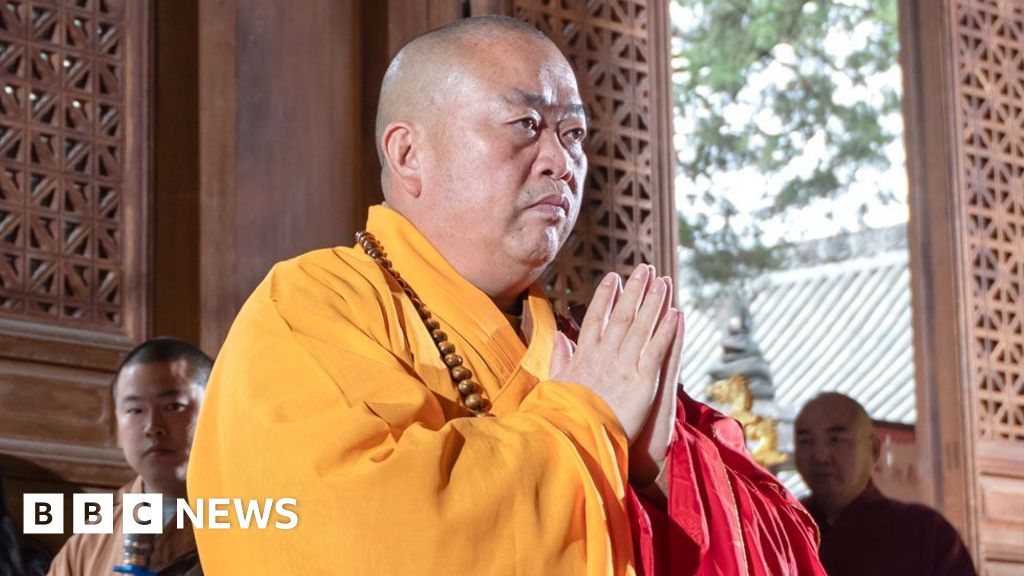
Shi Yongxin, former abbot of China’s Shaolin Temple, was sentenced to 24 years in jail for embezzlement, bribery and related crimes, with the court saying he misappropriated temple assets worth more than 282m yuan ($42m) from 2003 to 2025. The case underscores serious governance and corruption issues at one of China’s best-known religious and cultural institutions. Market impact is likely limited, but the headline is materially negative for the temple’s reputation and leadership.
This is less a one-off governance scandal than a reset of the Shaolin brand’s economics. The core second-order effect is that monetization, which relied on a quasi-charismatic founder model, now shifts from personality to institution; that usually means a near-term revenue dip, tighter commercialization rules, and a higher probability of state oversight over licensing, schools, tourism, and media rights. The cleanest losers are any entities whose value proposition depended on associating with Shaolin-style cultural IP without strong legal title or state backing.
The medium-term winner is likely the state-run cultural/tourism complex around Henan: a more compliant operator can capture the same visitor flows if it can preserve authenticity while stripping out perceived abuse. But there is a hidden downside for the local ecosystem: reduced outbound expansion and weaker international touring could hit adjacent hospitality, education, and event businesses that were leveraging the brand as a low-cost global marketing engine. Expect a months-long digestion period where sponsors, local governments, and overseas partners quietly reassess contracts and cash flows.
The main catalyst path is regulatory, not legal: whether authorities broaden the case into a wider anti-corruption and religious-institution cleanup. If that happens, the market should expect a wave of audits at other cash-generating cultural institutions over the next 3-12 months, which can freeze discretionary spending and delay project approvals. The contrarian angle is that the headline damage may be front-loaded; if the temple brand survives under cleaner governance, the removal of founder risk could ultimately make the franchise more investable and easier to commercialize under state auspices.
AI-powered research, real-time alerts, and portfolio analytics for institutional investors.
Request DemoOverall Sentiment
strongly negative
Sentiment Score
-0.70
