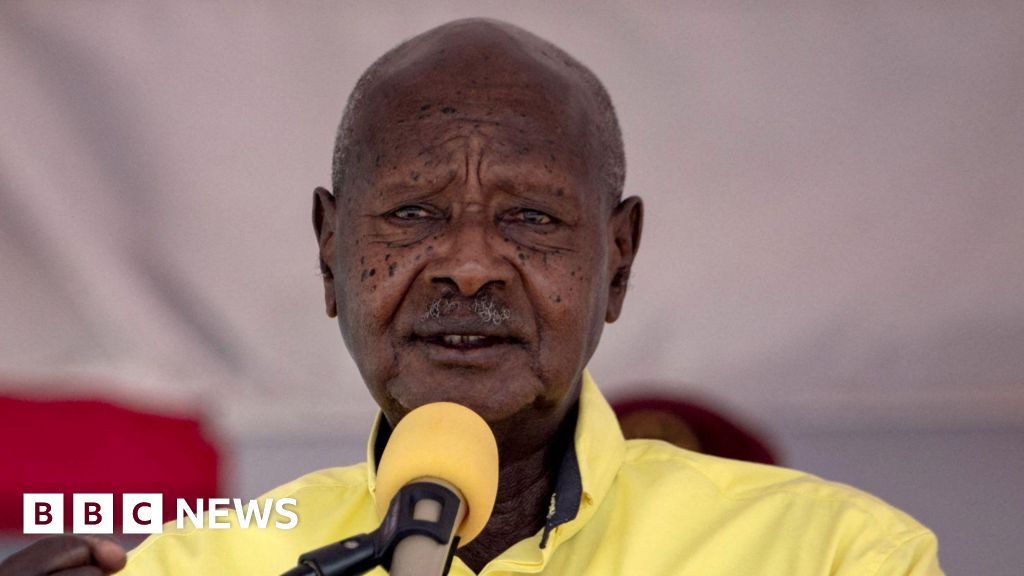
Yoweri Museveni, Uganda's 81-year-old president in power since 1986, is positioning for a seventh term after constitutional changes removed term and age limits (2005 and 2017), prompting concerns about weakened institutions and succession risk. While his tenure is credited with multi-decade stability, economic growth (above 6% average in an earlier decade), expanded education and public health gains, investors should weigh governance risks—including alleged politicisation of the judiciary, repeated arrests of opposition figures (e.g., Kizza Besigye, Bobi Wine) and the militarisation of succession around his son Gen Muhoozi—against ongoing efforts to attract foreign investment (engagements with China, the UK and UAE) and a stated aim to reach middle-income status by 2040.
Market structure: Museveni's likely re-election sustains a status quo that benefits incumbent-friendly sectors (state contractors, security suppliers, infrastructure projects funded by China/UAE/UK) while increasing political risk premia for private-sector-exposed assets (banks, telecoms, consumer durables). Expect higher risk-adjusted yields on Uganda sovereign and corporate credit (likely 100–300bp premium vs regional peers) and persistent FX pressure on the Uganda shilling as capital flight risk rises. Cross-asset: UGX forwards should cheapen, 5y CDS and USD bond spreads should widen, and regional EM equity ETFs (AFK, EEM) will show outsized volatility versus global peers.
Risk assessment: Tail risks include violent post-election unrest, targeted Western sanctions (travel/financial), or a destabilising succession if Gen. Muhoozi is fast-tracked — each could spike bond spreads 200–500bps and trigger >10% FX moves. Immediate window (days) is election-related volatility; short-term (weeks–months) is sanctions/capital flight; long-term (years) is institutional erosion lowering GDP growth by 1–3% annually. Hidden dependencies: Chinese/Emirati project continuity and refugee inflows; a pause or withdrawal of external capital is a force multiplier.
Trade implications: Tactical defensive plays: hedge EM equity exposure and buy sovereign protection; specifically, short UGX forwards (3–12m) and buy 5y UG sovereign CDS sized to 1–2% NAV, while deploying EM hedges (3m put spreads on EEM). Reduce explicit Africa frontier ETF exposure (AFK) and favor liquid US cash/T-bills 1–3m until post-election clarity; rotate into selective EM commodity/energy names if political risk normalises.
Contrarian angle: The market may overprice systemic collapse; Uganda has continued foreign projects and refugee inflows that support demand and FX receipts. If Museveni secures a smooth transition plan (even informal), sovereign spreads could compress 50–150bp within 6–12 months — creating a mean-reversion trade to buy dips in long-dated bonds. Watch for early signs (30–90 days) of foreign investor pullback; absence of that is a buy signal for oversold assets.
AI-powered research, real-time alerts, and portfolio analytics for institutional investors.
Request DemoOverall Sentiment
moderately negative
Sentiment Score
-0.40
