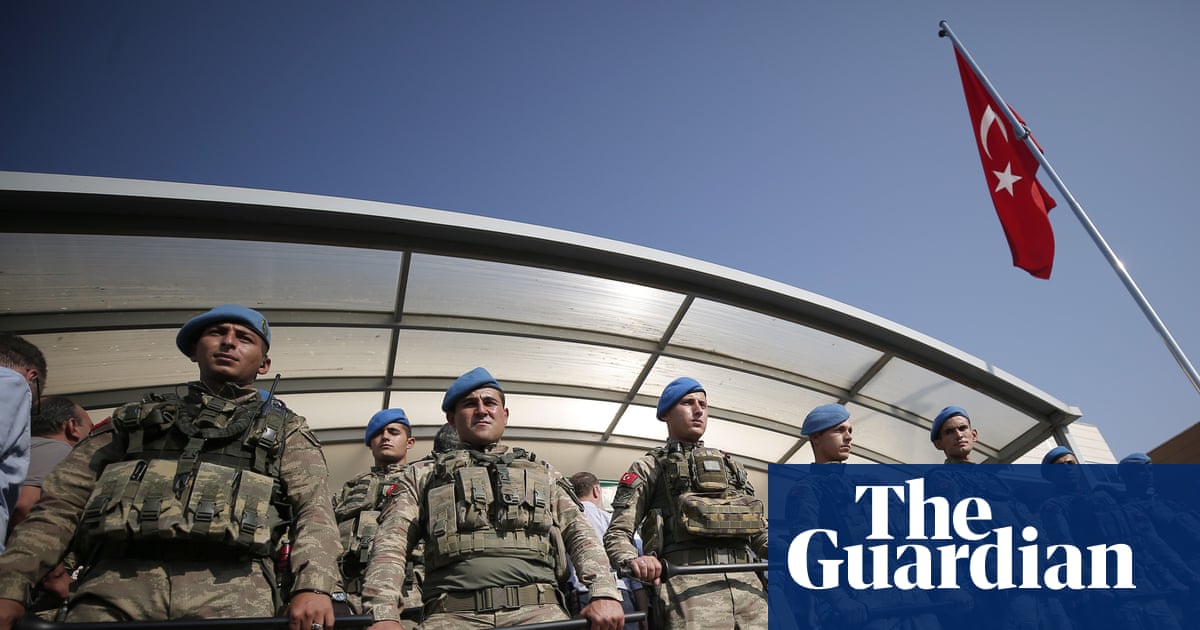
A multinational stabilization force for Gaza is being formed, with Israel's opposition leading to Turkey's exclusion despite its role as a ceasefire guarantor, signaling ongoing regional geopolitical friction. The force, coordinating with a US-led military cell, aims to disarm Hamas and secure a transitional Palestinian government, though post-war governance remains contentious with Palestinian factions agreeing on a technocratic committee. Furthermore, the US is challenging UNRWA's critical aid distribution role, exacerbating humanitarian concerns and highlighting persistent instability and complex reconstruction hurdles in the region.
A 5,000-strong multinational stabilization force is forming for Gaza to prevent a security vacuum and aid reconstruction. Israel's explicit opposition has excluded Turkey, a Trump ceasefire guarantor, highlighting significant geopolitical friction and complex international involvement. The force, likely led by Egypt, will coordinate with a US-led Civil-Military Coordination Centre (CMCC).
The force's mandate includes disarming Hamas and securing a transitional Palestinian government, though post-war governance is highly contested. While Israeli Prime Minister Netanyahu opposes Palestinian Authority involvement, Hamas and Fatah have agreed on an independent technocratic committee to administer Gaza, introducing a new political dynamic.
A critical humanitarian crisis persists, exacerbated by US Secretary of State Marco Rubio's stance against UNRWA's role, despite the ICJ deeming it "irreplaceable" for aid. This opposition, contradicting the Trump plan, severely impedes aid delivery, with only 14% of agreed daily trucks reaching Gaza, underscoring the catastrophic destruction and urgent need for effective aid.
AI-powered research, real-time alerts, and portfolio analytics for institutional investors.
Overall Sentiment
strongly negative
Sentiment Score
-0.70
