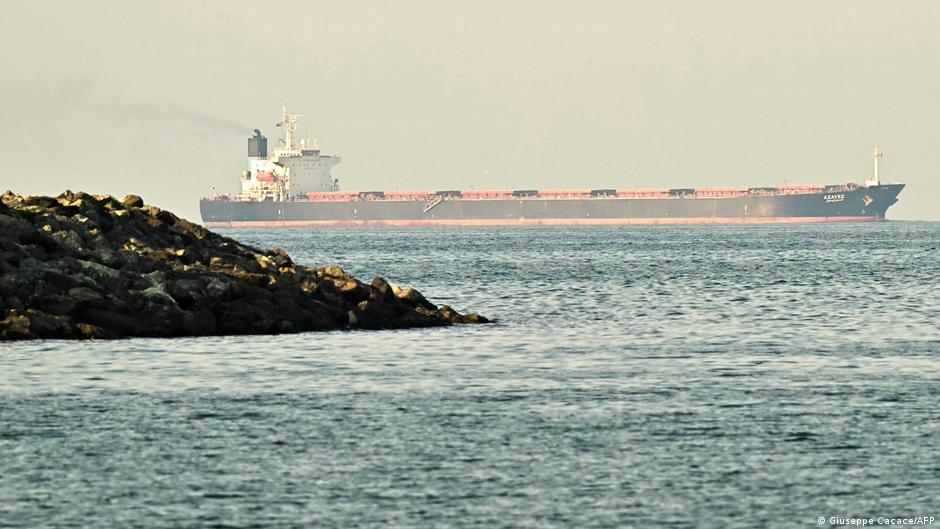
Iran said the US is no longer in a position to dictate terms as negotiations continue over reopening the Strait of Hormuz, with Tehran proposing to restore access in exchange for Washington ending its blockade and postponing nuclear talks. Trump reportedly remains skeptical of the proposal, while Rubio said any deal must definitively block Iran from obtaining a nuclear weapon. The standoff keeps a strategic energy chokepoint effectively shut, sustaining elevated risk for global oil and shipping markets.
The market is pricing the Strait of Hormuz as a binary risk, but the more important setup is duration: even a short-lived reopening or partial de-escalation would disproportionately hit the geopolitical risk premium embedded in crude, tanker rates, and defense suppliers while leaving the nuclear overhang unresolved. That creates a classic “headline relief, structural anxiety” regime where front-end energy volatility can collapse faster than the longer-dated risk premium, especially if talks merely defer the hardest decision.
The second-order winner from any interim understanding is not necessarily the obvious energy consumer, but logistics and industrial importers with high Middle East exposure: lower freight insurance, narrower inventory buffers, and better working capital turns. Conversely, integrated oils may look safer than E&Ps on the surface, but they are more exposed to a fast unwind in backwardation and refining margins if supply lanes normalize before global demand has time to reprice.
The contrarian risk is that the market is underestimating how little room there is for a durable compromise if Washington insists on a full nuclear rollback up front. That makes a near-term deal susceptible to rapid failure within days to weeks, which would re-fatten tail risk in crude and shipping and likely widen air-defense and missile-interception procurement expectations over the next quarter. The cleanest trade is to fade the immediate peace premium without assuming a permanent resolution.
If the interim plan stalls, the next leg higher in volatility will likely be driven less by outright barrels lost and more by insurance, rerouting, and port congestion effects that hit Asia first. That favors a relative-value expression over a simple outright crude long: the supply shock premium should show up in transport and defense before it fully transmits into equities. The key inflection is whether diplomatic chatter can reopen physical flows faster than the market’s risk budget decays; if not, this remains a months-long attritional trade, not a one-day event.
AI-powered research, real-time alerts, and portfolio analytics for institutional investors.
Request DemoOverall Sentiment
mildly negative
Sentiment Score
-0.20
Ticker Sentiment
