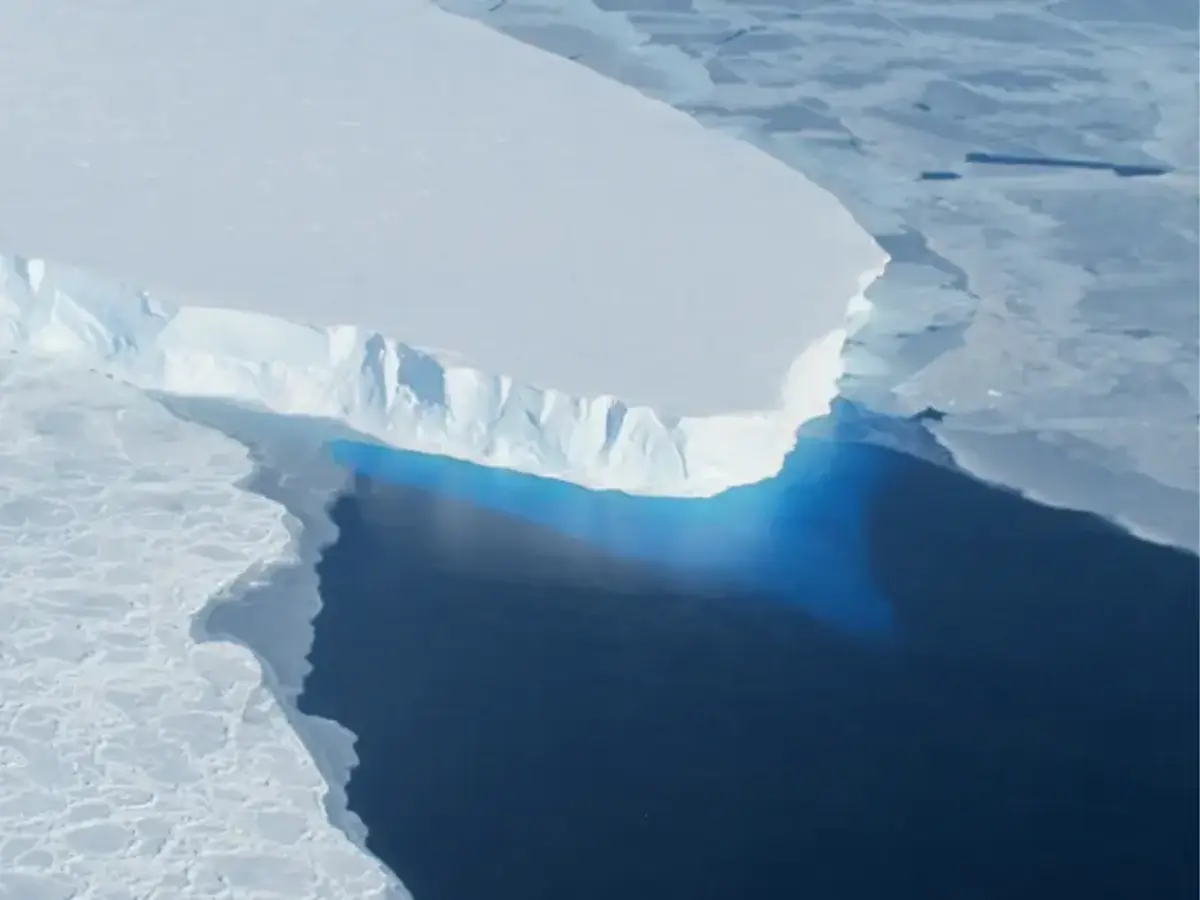
Thwaites Glacier is expected to lose its ice shelf in 2026, with scientists warning that collapse could ultimately raise global sea levels by 2.1 feet. The glacier has already retreated about 20 km since 1992, and if the full ice sheet were to slip into the ocean, sea levels could rise by 10.8 feet. The article highlights accelerating fracturing, hundreds of glacial earthquakes, and ongoing structural weakening from warm ocean water, underscoring a major climate risk.
The market implication is not a one-off coastal headline but a multi-year repricing of physical-risk premia. The first-order effect is obvious for insurers and reinsurers, but the second-order effect is broader: higher expected loss severity pushes municipal and sovereign funding costs wider for exposed coastal regions, which then bleeds into utilities, port operators, real estate investment trusts, and public infrastructure contractors through higher capex and tighter project economics.
The bigger near-term catalyst is not the eventual sea-level rise itself, but the change in perceived tail risk once the shelf separation is visible and irreversible. That tends to re-rate at the margin much faster than the physical damage arrives: underwriting terms tighten, catastrophe bonds clear wider, and lenders shorten tenor or demand more collateral. This is especially relevant for assets with long-duration cash flows and low pricing power in flood-prone geographies, where even a modest increase in hazard models can compress valuation multiples.
The contrarian angle is that consensus may over-index on global apocalypse while underpricing localized winners. Adaptation spend becomes the real tradeable theme: flood control, coastal engineering, sensors, backup power, water management, and climate-resilient materials should see structural demand regardless of whether global policy improves. The timing matters: if the shelf breakup occurs within 12 months, the immediate beneficiary set is planning and engineering names; if it becomes a slower-motion asset-liability story over several years, insurers and municipal balance sheets are where the spread widens most.
Risk to the thesis is a credibility gap between science headlines and capital allocation. If the event is already widely anticipated, the tradeable move may be modest until damage estimates are translated into insured-loss models or bond covenants. The main reversal would be a material cooling in models or a major policy response that accelerates adaptation spending faster than underwriting reprices risk, which would soften the negative for exposed assets and strengthen the long adaptation basket.
AI-powered research, real-time alerts, and portfolio analytics for institutional investors.
Request DemoOverall Sentiment
strongly negative
Sentiment Score
-0.85
