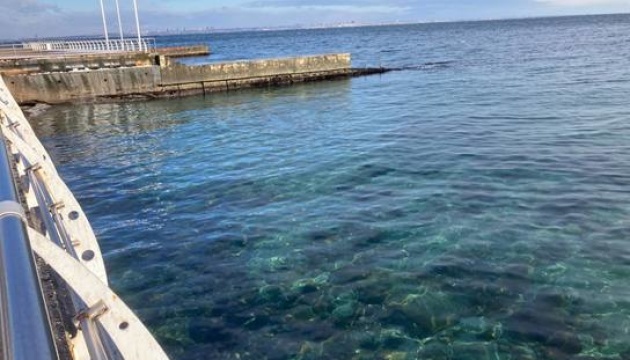
Odesa authorities are cleaning sunflower-oil pollution after Russian strikes on port infrastructure caused leaks into the Black Sea; localized impacts include scattered oil spots near several beaches and boom barriers on Santorini Beach, while no widespread contamination was found on major Langeron-area beaches. The Ukrainian Scientific Center for Marine Ecology reported the slick had reached 55 km and Sanzheika as of Dec. 25, and dead birds were observed near some beaches earlier. The event poses localized environmental and reputational risks, potential short-term disruption to sunflower oil shipments and port operations, and limited implications for insurers and commodity logistics, but is unlikely to be broadly market-moving.
Market structure: This incident tightens the sunflower oil supply corridor out of Odesa, creating a near-term winner set of integrated oil crushers/traders (ADM, Bunge) and palm-oil producers who can substitute volume. Losers are Ukrainian exporters, Black Sea bulk shippers, and marine insurers who face immediate claims and higher war-risk premia; expect shipping spreads and freight rates to rise 10–30% if closures last >2 weeks. Substitution dynamics will push soy/palm oil prices up and give processors pricing power for 1–3 months until alternate logistical capacity is proven.
Risk assessment: Tail risks include a sustained port shutdown (30–90 days) that forces ~20–40% of Ukrainian sunflower exports offline, and an environmental/regulatory shock that triggers export bans or liability suits. Immediate horizon (days): cleanup and local tourism/insurance claims; short-term (weeks–months): export re-routing and elevated freight/insurance costs; long-term (quarters): capital repairs to port infrastructure and possible re-contracting of supply chains. Hidden dependencies: storage capacity in Romania/Turkey and seasonal harvest timing; catalyst triggers are additional strikes or a formal export corridor suspension.
Trade implications: Primary actionable plays are long global vegetable-oil exposure and processors (ADM:NYSE, BG:NYSE) via modest option call-spreads (3-month), and long palm/soy oil futures as a directional commodity hedge. Defensive trades: buy short-dated protection on marine insurers or reduce positions in Ukraine-exposed agribusiness (Kernel) and Black Sea shipping names; consider a small allocation to defense/security contractors if escalation risk rises. Entry should be staged: initiate at current levels, add if MATIF sunflower oil >+15% in 2 weeks or Baltic Dry Index +20%.
Contrarian angles: The market may underprice substitution to palm oil — producers in Southeast Asia can scale output within 2–3 months, capping upside, so a full-blown multi-quarter bull case is unlikely unless ports are closed >90 days. Historical parallel: 2022 grain corridor shocks produced 20–40% spikes that faded within 3–6 months as alternative routes opened. Unintended consequence: higher vegetable-oil-driven food inflation could pressure EM FX and force tighter policy, creating secondary equity downside risk that should be hedged if positions grow beyond 3–5% of portfolio.
AI-powered research, real-time alerts, and portfolio analytics for institutional investors.
Request DemoOverall Sentiment
mildly negative
Sentiment Score
-0.30
