



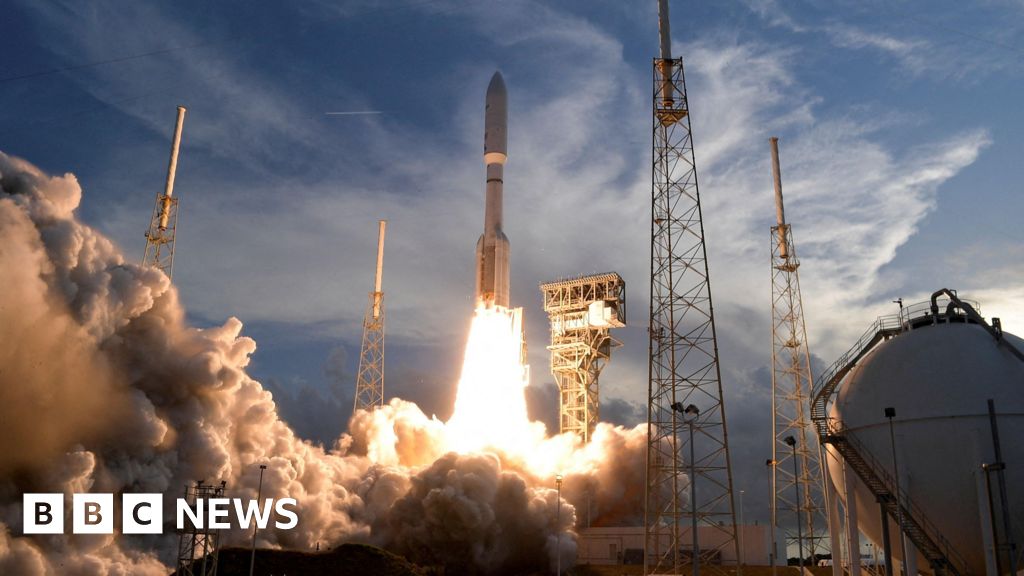
Amazon is spending $11.57bn to acquire Globalstar to accelerate its Amazon Leo satellite business, targeting a next-generation satellite system in 2028. The deal expands Amazon's competition with Starlink, which already has more than 10,000 active satellites and over 10 million paying customers, while Amazon has only about 200 satellites in orbit. The transaction also preserves Apple SOS functionality and gives Amazon control of Globalstar's global infrastructure footprint.
This is less about satellites as a product and more about Amazon buying a time-to-scale advantage in a market where network density creates winner-take-most economics. The strategic value is that once Amazon controls both constellation capacity and distribution through enterprise/cloud relationships, it can bundle connectivity into a broader stack, making it harder for pure-play operators to monetize on service price alone. The real second-order benefit is for Amazon’s logistics, defense-adjacent, and remote enterprise customers: connectivity becomes a margin lever on top of existing customer relationships rather than a standalone telecom product.
For GSAT holders, the asset sale is effectively a repricing of scarce orbital infrastructure and spectrum optionality, but the equity’s residual upside depends on whether the market assigns value to ongoing cash flows or treats this as a call option on future partnerships. The bigger loser may be incumbent telecoms that were hoping satellite connectivity would be complementary rather than bundled into a hyperscaler ecosystem; if Amazon subsidizes service to protect broader ecosystem share, pricing pressure could spill into rural and maritime connectivity markets before the full constellation is live. That said, the timeline matters: meaningful commercial impact is likely years away, so near-term trading should be driven by M&A arb and narrative rather than fundamentals.
The contrarian risk is that investors are extrapolating Starlink’s lead into a permanent moat when the actual barrier is capital intensity plus launch cadence, not technology alone. Amazon’s ability to finance, procure, and integrate at scale means the gap can narrow faster than many expect, especially if it leverages third-party launches and enterprise anchor tenants to pre-sell capacity. The key tail risk for Amazon is execution slippage on deployment timing, which would leave the deal as an expensive option on a still-unproven market and could pressure sentiment if 2027-28 milestones slip by even 6-12 months.
AI-powered research, real-time alerts, and portfolio analytics for institutional investors.
Request TrialOverall Sentiment
mildly positive
Sentiment Score
0.45
Ticker Sentiment
