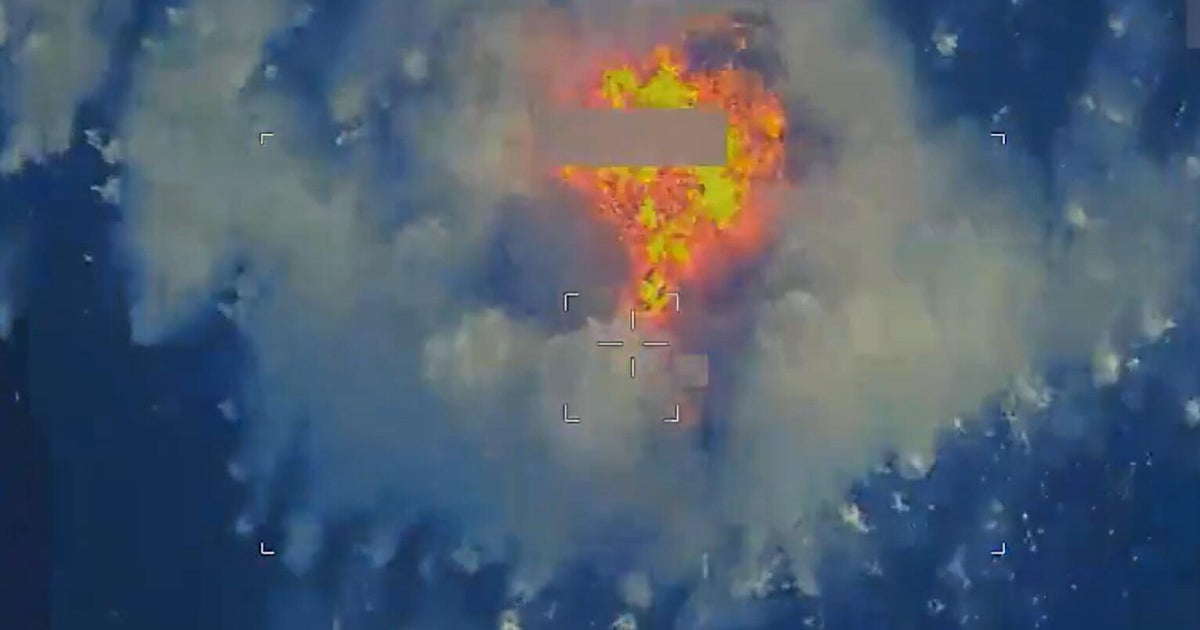
The U.S. military said it carried out another strike on an alleged drug boat, killing 3 men and pushing the death toll from the campaign above 202 since early September. The operation is intensifying scrutiny over the legality of the strikes, including a reported Sept. 2 follow-on strike that killed 2 survivors and may raise war-crime questions. The story is geopolitically significant but primarily a defense and policy issue rather than a direct market catalyst.
The market implication is less about narcotics interdiction and more about normalization of kinetic force as a policy tool in the Western Hemisphere. That raises the probability of a broader legal and diplomatic backlash, which is usually a multi-week headline risk for defense primes with exposure to ISR, maritime patrol, and border-security contracts, but a longer-lived tailwind for firms tied to naval readiness and munitions replenishment. The second-order effect is that even without a formal budget change, operational tempo can pull forward procurement and sustainment spend.
The bigger near-term risk is precedent. If the administration is willing to stretch the definition of hostile actors and tolerate collateral-legal ambiguity, Congress and allied governments may respond with hearings, injunction attempts, or restrictions on intelligence-sharing, which can freeze incremental program awards and delay contracting decisions for 1-2 quarters. That is especially relevant for companies with heavy Latin America government exposure or dependent on permissive rules of engagement for platform sales and support.
From a cross-asset standpoint, this is a modest risk-off catalyst for EM sovereign and local-currency debt in the Caribbean/Central America channel, plus a credit-negative signal for shipping and marine insurance names with exposure to high-risk routes. The contrarian read is that the direct market impact may be overestimated: these events rarely move defense multiples on their own, and if the campaign expands without a visible fiscal package, the trade can fade once legal scrutiny dominates the news cycle.
The highest-probability catalyst over the next 2-6 weeks is not more strikes, but a disclosure event: a casualty report, audio/video controversy, or congressional testimony that sharpens war-crime allegations. That would increase volatility in defense and political risk hedges while keeping the underlying procurement story intact. In that setup, the cleanest expression is to own readiness and munitions while fading broader geopolitical beta.
AI-powered research, real-time alerts, and portfolio analytics for institutional investors.
Request TrialOverall Sentiment
strongly negative
Sentiment Score
-0.72
