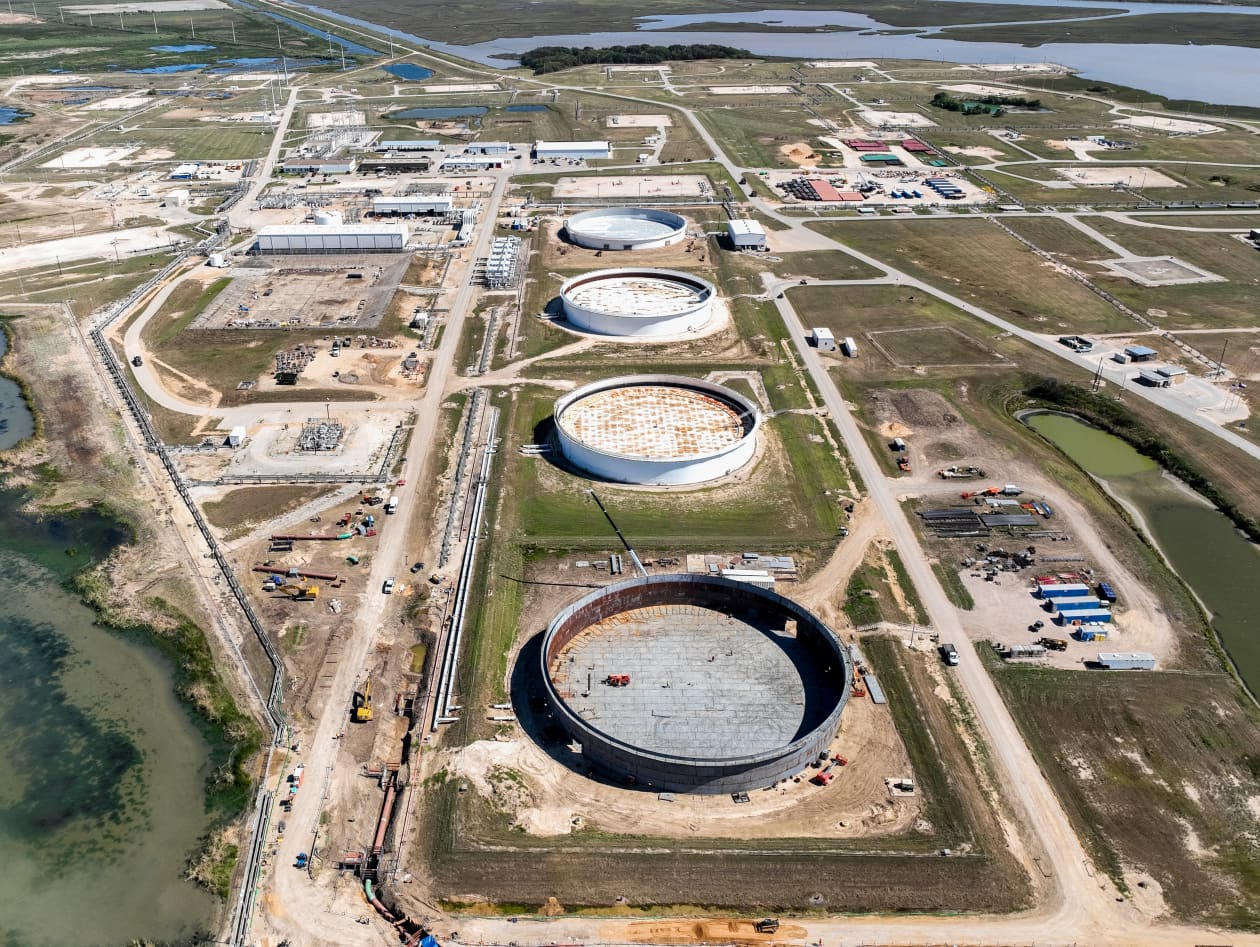
U.S. Strategic Petroleum Reserve stocks are near their lowest levels in more than 40 years, following steep recent drawdowns. The article argues the reserve may still be sufficient for near-term contingencies, but investors are worried about vulnerability to hurricanes and a prolonged Iran war. The piece is more about reserve adequacy and sentiment than an immediate supply shock.
The market is likely overpricing the relevance of the headline inventory level and underpricing the optionality embedded in reserve policy. When strategic barrels are low, the first-order fear is supply fragility; the second-order effect is that the government has less ability to smooth short-dated shocks, which steepens prompt-time spreads and amplifies volatility around weather, shipping disruptions, or Middle East headlines. That setup tends to favor upstream equities and physical exposure more than broad crude beta, because the scarcity premium shows up first in time spreads and product cracks before it is fully reflected in flat-price moves.
The bigger near-term risk is not a structural shortage, but a sequence risk: a hurricane or geopolitical flare-up landing while commercial inventories are already lean and refiners are running seasonally hard. In that scenario, the market can reprice in days, not months, with gasoline and diesel outperforming crude as end-users scramble for prompt supply. This is also a regime where options skew can remain expensive, so outright longs may be less attractive than structures that monetize a jump in implied volatility or a brief dislocation.
Contrarianly, the consensus may be missing that low strategic stocks are only bearish if the government is willing and able to replenish aggressively. If policymakers signal an intent to rebuild reserves over the next 12-24 months, that becomes a persistent bid for domestic barrels and a support for WTI differentials, especially if replenishment is timed into seasonal demand softness. The real loser set is not just consumers, but refiners and midstream operators with limited ability to pass through feedstock spikes if the market moves into a backwardated, supply-fragile regime.
AI-powered research, real-time alerts, and portfolio analytics for institutional investors.
Overall Sentiment
neutral
Sentiment Score
-0.05
