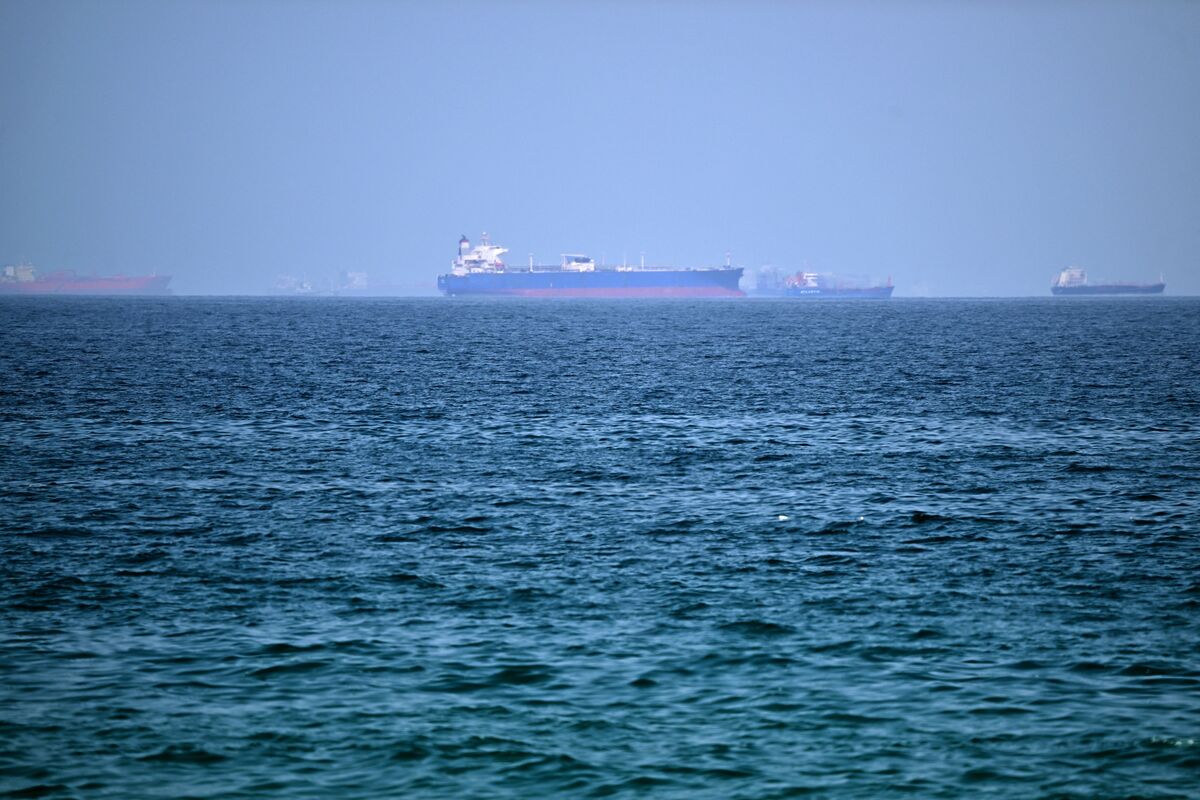
Commercial traffic through the Strait of Hormuz fell to a reduced level after attacks on two ships renewed concerns over safe passage. Tracking data showed only a handful of open transits over the weekend, including two very large crude carriers entering the Persian Gulf without cargo and three vessels leaving, among them a French-flagged container ship and two laden oil tankers. The disruption is negative for regional shipping flows and raises risk premia for energy and freight markets.
The market is underpricing the difference between a temporary inconvenience and a true chokepoint failure. Even a modest reduction in flows through Hormuz can force a disproportionate repricing of prompt freight, insurance, and delivery optionality because charterers pay for reliability, not just miles sailed; that tends to hit spot-sensitive cargoes first and then bleed into term contracts with a lag of days to weeks. The second-order winner is not just crude, but all assets tied to maritime scarcity: tanker availability, war-risk underwriters, and firms that can capture a wider spread between headline freight and executable freight.
The most important near-term catalyst is behavioral, not physical: if shipowners start routing around the risk or requiring higher premiums, the effective capacity of the corridor shrinks even without further attacks. That can sustain elevated oil prices for several sessions even if actual barrels are still moving, because inventories in Asia and Europe will be drawn more aggressively as buyers accelerate cover. The downside reversal is also behavioral: a visible security escort regime, a lull in incidents, or a coordinated diplomatic signal could quickly restore open-transit confidence and compress the risk premium in 1-2 weeks.
The consensus miss is that the first-order oil move may be less durable than the logistics move. If traffic remains patchy, refiners with just-in-time crude sourcing and shipping-dependent importers can see margin pressure before upstream producers realize the full benefit, while tanker operators can enjoy a short-lived windfall from tighter vessel supply. In other words, this is as much a relative-value trade in transport capacity as it is a directional macro call on energy.
Tail risk is asymmetric: a single escalation that interrupts even one large cargo flow could trigger a reflexive jump in freight rates and prompt a broader de-risking across Middle East-sensitive assets over the next 24-72 hours. But if attacks remain isolated and transits continue, the premium likely decays quickly because carriers have already been slow to shut the lane entirely; that argues for trading the volatility rather than assuming a sustained blockade. The setup favors expressing upside in transportation scarcity and downside in transport-dependent importers rather than chasing broad commodity beta.
AI-powered research, real-time alerts, and portfolio analytics for institutional investors.
Request DemoOverall Sentiment
mildly negative
Sentiment Score
-0.35
