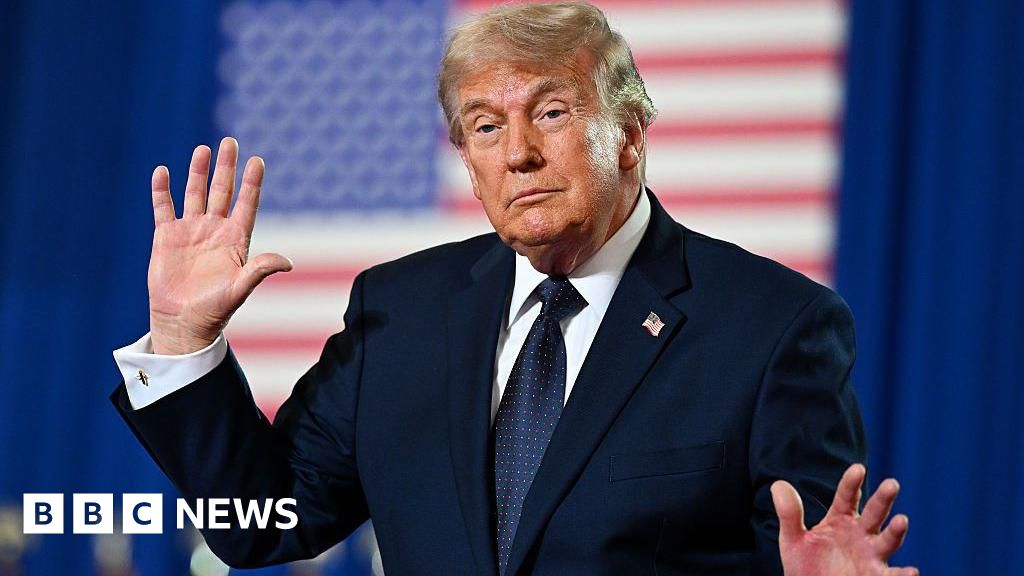
Trump said he wants to cancel or replace the US Freedom 250 concert series after multiple performers dropped out, leaving only a few acts still scheduled from the original nine. The White House-backed anniversary events remain planned, including a June 24 opening ceremony, a UFC fight, and other celebrations tied to America’s 250th birthday. The article is primarily about political optics and event management rather than a direct market-moving development.
The immediate market read is not about the entertainment lineup; it is about how quickly a commemorative, publicly backed project can become a political branding exercise. That shift raises the probability of vendor churn, higher replacement costs, and compressed sponsorship value for any private partner that attached itself to the event assuming a neutral civic framing. In practical terms, the beneficiaries are operators that can monetize spectacle without political contamination—combat sports, large-scale production vendors, and any venue/service providers with strong cancellation protections.
Second-order, the bigger issue is reputational optionality for talent agencies and promoters. If artists believe participation can trigger backlash from fans, managers, or peers, the effective cost of booking future government-adjacent events rises, which should pressure fill rates and increase the premium demanded by mid-tier acts. That dynamic can become self-reinforcing over the next few weeks: every withdrawal makes the event less commercially attractive, and every replacement from a narrower talent pool reinforces the perception of lower quality.
The fiscal angle matters because the event is likely to rely on a mixture of public support, sponsor contributions, and in-kind services. If the program migrates toward a rally format, the spend mix shifts toward security, staging, and broadcast-style production rather than broad family-entertainment programming, which is less efficient and more politically exposed. The near-term catalyst is whether additional artists or sponsors exit within days; the medium-term catalyst is whether Congress/media frame the project as a partisan use of civic infrastructure, which would raise oversight risk into the summer.
Contrarian view: the current controversy may be more useful than harmful for attendance and media reach. A polarizing replacement event could actually drive larger earned media and stronger on-site turnout among core supporters, meaning the headline risk for organizers is not necessarily an economic loss. The real loser may be the concept of bipartisan civic branding itself: once politicized, future national events may need to be segmented by audience, increasing costs and lowering the value of broad-purpose sponsorships.
AI-powered research, real-time alerts, and portfolio analytics for institutional investors.
Request TrialOverall Sentiment
neutral
Sentiment Score
-0.10
