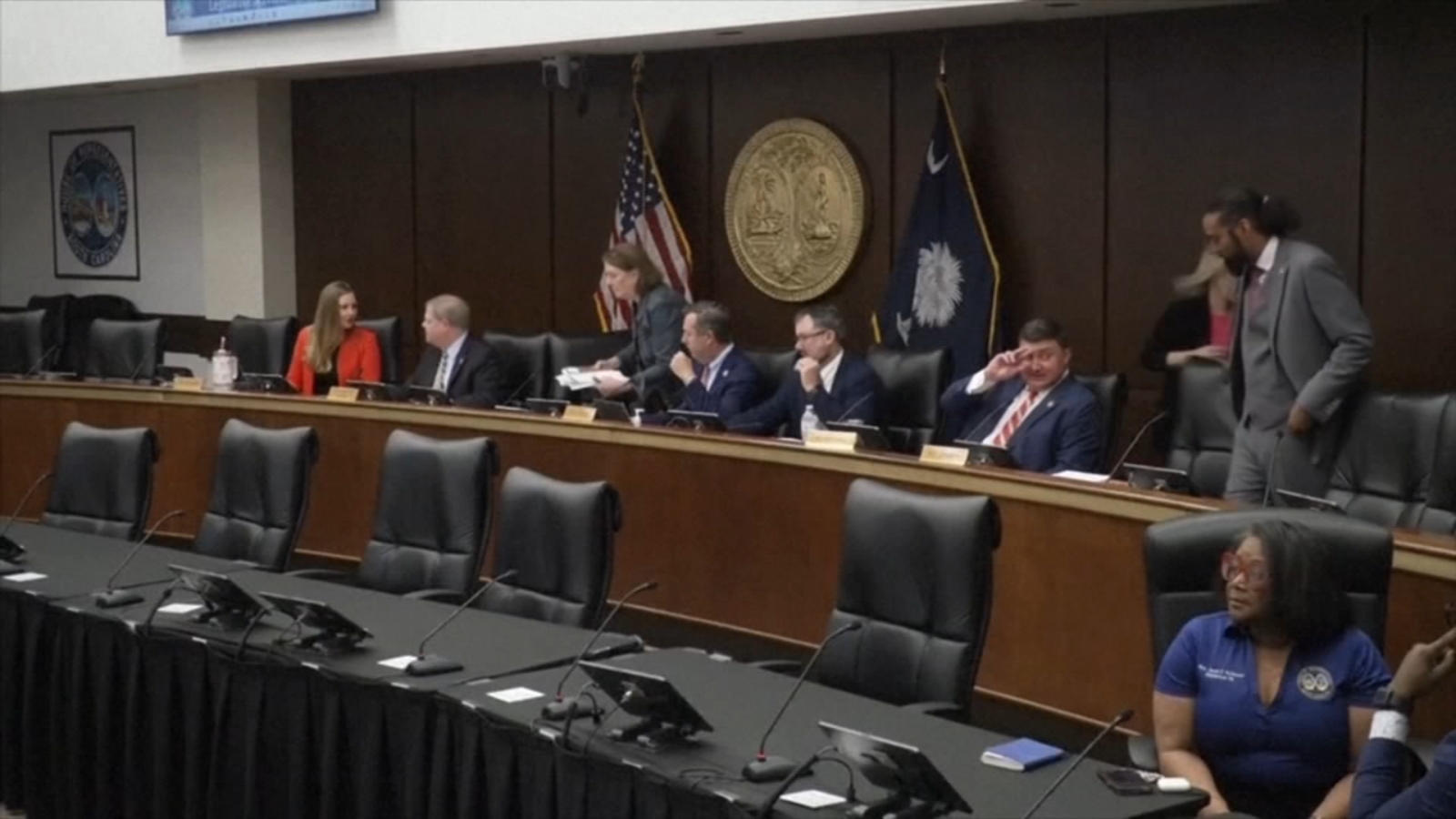
Mid-decade redistricting efforts could create an estimated 14 additional House seats Republicans believe they can win versus 6 that could favor Democrats, implying a potential 8-seat GOP advantage ahead of the 2026 midterms. The Virginia Supreme Court blocked a Democratic map, while Alabama, Tennessee and other GOP-controlled states advanced new plans following the U.S. Supreme Court's Louisiana ruling. The outcome remains fluid as court challenges and voter approvals continue.
The immediate market implication is not just seat math; it is that the expected Republican edge becomes more durable and less dependent on a single state outcome. That reduces the probability of a divided Congress in 2027, which matters for policy-sensitive sectors that have been pricing a higher chance of incremental tax, antitrust, and drug-pricing pressure under a split or Democratic-leaning House. The bigger second-order effect is on incumbency protection: more districts get engineered to be structurally uncompetitive, which lowers turnover and makes primary dynamics more important than general-election swings.
The legal path is the key catalyst window. The next 2-8 weeks matter because each state court or federal injunction can either freeze maps or force new primaries, creating operational risk for campaigns and local political vendors. The risk is asymmetric: if the courts keep validating mid-decade redraws, the GOP advantage compounds into 2026; if one or two rulings are reversed on procedural or Voting Rights grounds, the current headline advantage can shrink quickly and markets may overestimate the permanence of the trend.
The contrarian point is that the trade may already be partly crowded in “GOP control” positioning, while the real mispricing sits in volatility around litigation outcomes. A more aggressive redistricting environment can backfire by increasing turnout among the newly affected voters and by forcing expensive campaign resets in a handful of seats, which tends to benefit media, poll, and digital-ad spend more than the party itself. The strongest directional exposure is therefore not a simple partisan bet, but a relative-value trade on policy sensitivity and election-cycle spending intensity.
AI-powered research, real-time alerts, and portfolio analytics for institutional investors.
Request DemoOverall Sentiment
neutral
Sentiment Score
-0.05
