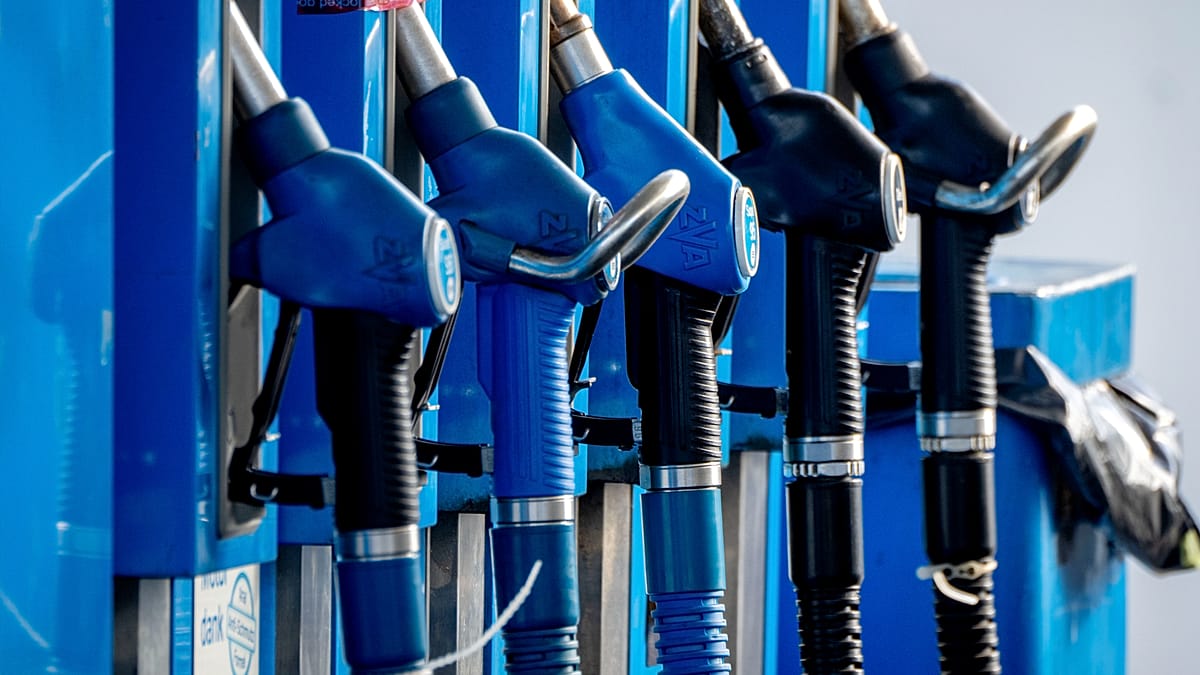
Closure of the Strait of Hormuz is disrupting roughly 20% of global oil production/transport — cited as about 15 million barrels of crude and 5 million barrels of oil products — sending oil above $100/bbl with analysts warning it could reach $200/bbl. The IEA urges demand measures (remote work, lower speed limits, public transport, 40% cut in business flights) and notes emergency reserves of 400 million barrels have been released but supply alone cannot stabilise markets. European refiners face serious stress and possible forced run cuts if flows remain curtailed; policymakers are also urged to provide targeted support to vulnerable households. Expect heightened market volatility, significant upside oil-price risk and knock-on effects for inflation and electricity/gas security.
The immediate market response is forcing valuation bifurcation inside energy and transportation: owners of physical transport capacity (tankers, LNG carriers) and diversified producers with export logistics optionality will capture outsized cashflow as risk premia reroute barrels, while refiners and airlines face margin compression from widening feedstock-to-product spreads and higher bunker/jet fuel costs. Insurance and war-risk surcharges are a non-linear tax on traded volumes — even modest increases in per-voyage cost quickly flip lower-margin refinery runs uneconomic, producing forced throughput cuts that tighten product markets further.
Macro second-order effects amplify the shock: energy-driven CPI pressure increases the probability that central banks maintain restrictive policy for longer, raising real rates and steepening credit premia for levered downstream players (independent refiners, regional carriers). At the same time, structurally higher transport costs and visible supply fragility accelerate capex and regulatory shifts toward electrification and public-transport investments, improving the medium-term demand elasticity for oil.
Timing and regime change matter: if the shipping- and insurance-cost shock persists beyond two quarters, expect self-reinforcing demand destruction (reduced business travel, fleet idling, lower discretionary mobility) that caps commodity upside and shifts returns from spot sellers to long-duration transition plays (EV supply chain, grid infrastructure). Conversely, a rapid diplomatic or coordinated reserve response would reflate risk assets and leave sharply mark-to-market losers in the physical logistics and insurance sectors.
Practical monitoring: track tanker-freight indices, war-risk premia in insurance filings, weekly SPR and refinery utilization by region, and airline forward-booking versus fuel-hedge disclosures — changes in these indicators will lead price moves ahead of headline oil prints and provide high-probability trade entry/exit signals.
AI-powered research, real-time alerts, and portfolio analytics for institutional investors.
Request DemoOverall Sentiment
strongly negative
Sentiment Score
-0.85
