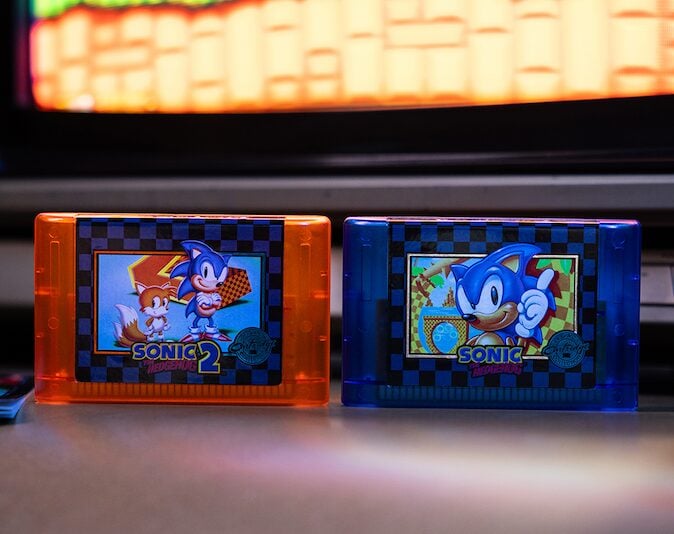
Sega is launching $100 legacy Sonic cartridges for the original Sonic the Hedgehog and Sonic the Hedgehog 2, with pre-orders open now and shipment planned in waves through Q3 2026. The company also announced physical Nintendo Switch collections priced at $49.99 each, bundling multiple Sonic titles, as part of its 35th anniversary campaign. The news is mostly promotional but supports franchise engagement and merchandising around a major IP.
This is less a product launch than a monetization of scarcity around a nearly zero-marginal-cost IP library. The economics are attractive because the upside is not in unit volume but in margin expansion from collector pricing, while the broader franchise gets an evergreen marketing halo that can lift digital catalog engagement and keep Sonic top-of-mind ahead of future releases. The second-order effect is that Sega is effectively using physical nostalgia to subsidize attention for current and near-future software, which is the real asset being defended.
The beneficiary set is wider than Sega: Iam8bit validates itself as a premium distribution partner with a higher attach-rate model, while third-party manufacturing and fulfillment vendors benefit from low-volume, high-ASP SKUs that are resilient to mainstream retail cyclicality. The hidden loser is not a direct competitor in console software so much as any publisher trying to clear inventory through standard physical channels; this format trains collectors to pay up for scarcity and presentation, which can compress demand for ordinary boxed reissues.
The key risk is that novelty fatigue arrives faster than the 35th-anniversary cadence can replenish it. These launches work over days to weeks at pre-order, but the incremental value to Sega’s core earnings likely fades over quarters unless the company converts the brand heat into larger releases, subscription tie-ins, or merchandise bundles. If the collectible market softens, the premium multiple on this strategy shrinks quickly because the thesis depends on perceived permanence of fan demand, not utility.
Contrarian view: the market may underappreciate how much this resembles a high-ROIC licensing and brand-maintenance program rather than a gaming SKU strategy. If executed consistently, this can support Sega’s negotiating leverage with retail partners and licensors by proving Sonic remains a monetizable cultural asset across formats, which is more important than near-term cartridge revenue. The more interesting long-term read is that Sega is teaching investors to value the Sonic ecosystem as a media franchise with recurring merchandising optionality, not just a game publisher.
AI-powered research, real-time alerts, and portfolio analytics for institutional investors.
Request DemoOverall Sentiment
mildly positive
Sentiment Score
0.18
