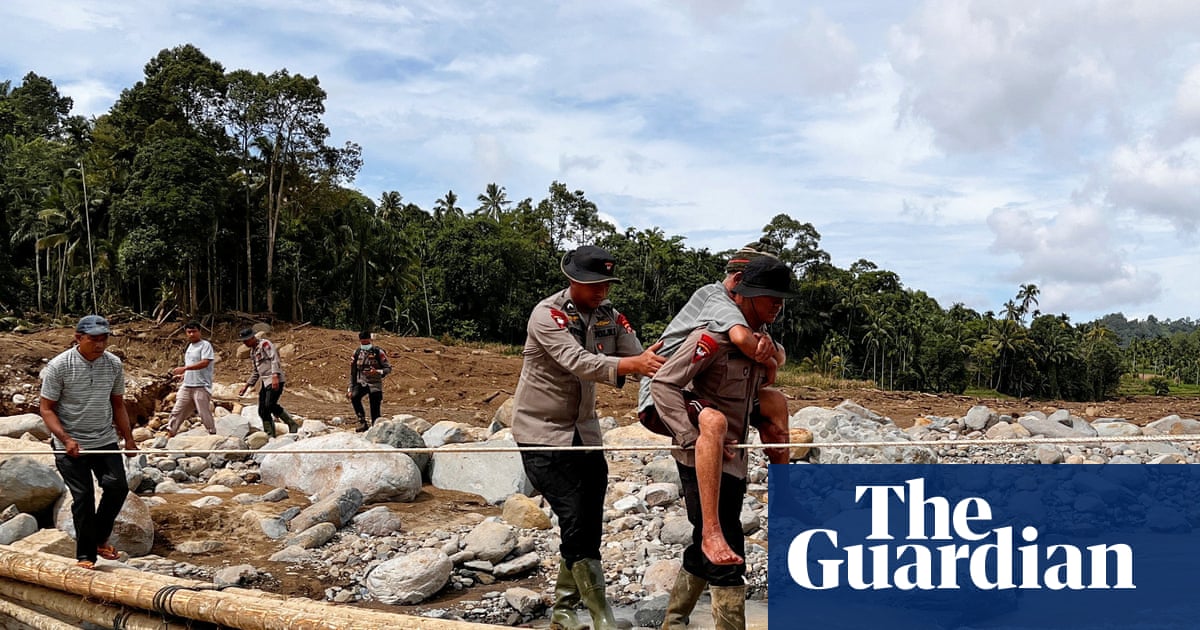
Severe monsoon rains and a tropical storm have caused widespread floods and landslides across Southeast Asia, with reported death tolls exceeding 600 — including more than 442 dead, hundreds injured and 402 missing in Indonesia, at least 162 killed in Thailand, and at least 212 fatalities in Sri Lanka where 148,000 people have been displaced. The disasters have damaged roads, communications and property, left thousands stranded without supplies, slowed aid delivery, and prompted navy deployments and emergency relief; these events raise near-term downside risks to local consumption, logistics and agriculture, potential insurance and reconstruction costs, and could pressure regional fiscal spending and tourism activity.
Market structure: Immediate winners are construction/materials suppliers, heavy equipment OEMs and logistics contractors who will see 3–12 month demand spikes from reconstruction; reinsurers and global reins premium cycles should tighten pricing over the next 6–18 months as loss tallies are recognized. Direct losers are local retail, short-term tourism (Thailand), small banks with unsecured microloan books, and agricultural output (palm oil, rice) with localized supply shocks that can lift commodity prices regionally by 5–20% in weeks. Risk assessment: Tail risks include political/social unrest from slow aid distribution, sovereign funding stress in Sri Lanka/Indonesia if reconstruction costs exceed budgeted aid (shock >1% of GDP), and repeat storms in the same basin within 90 days. Time horizons: immediate (days-weeks) = logistics/FX dislocations and retail hits; short-term (1–6 months) = construction procurement and commodity price moves; long-term (1–3 years) = structural rise in insurance pricing and resilience capex. Trade implications: Expect container/short-haul freight rates to spike regionally; roof-on strategies are long construction-materials and reinsurers, short leisure/tourism and local currency sovereigns if IDR/THB depreciate >3–5% in 30 days. Use concentrated, time-boxed option structures to trade volatility (3–12 month tenors) and prefer commodity futures for direct crop exposure. Contrarian angles: Consensus may overprice permanent capital flight — reconstruction spending often delivers positive GDP impulse (0.2–0.7% annualized) supporting cyclicals within 6–12 months, so short-term panic sells in regional equities can be buyable. Watch for a policy catalyst (large fiscal package or international aid within 30–60 days) that would sharply reverse FX and equity weakness.
AI-powered research, real-time alerts, and portfolio analytics for institutional investors.
Request DemoOverall Sentiment
strongly negative
Sentiment Score
-0.60
