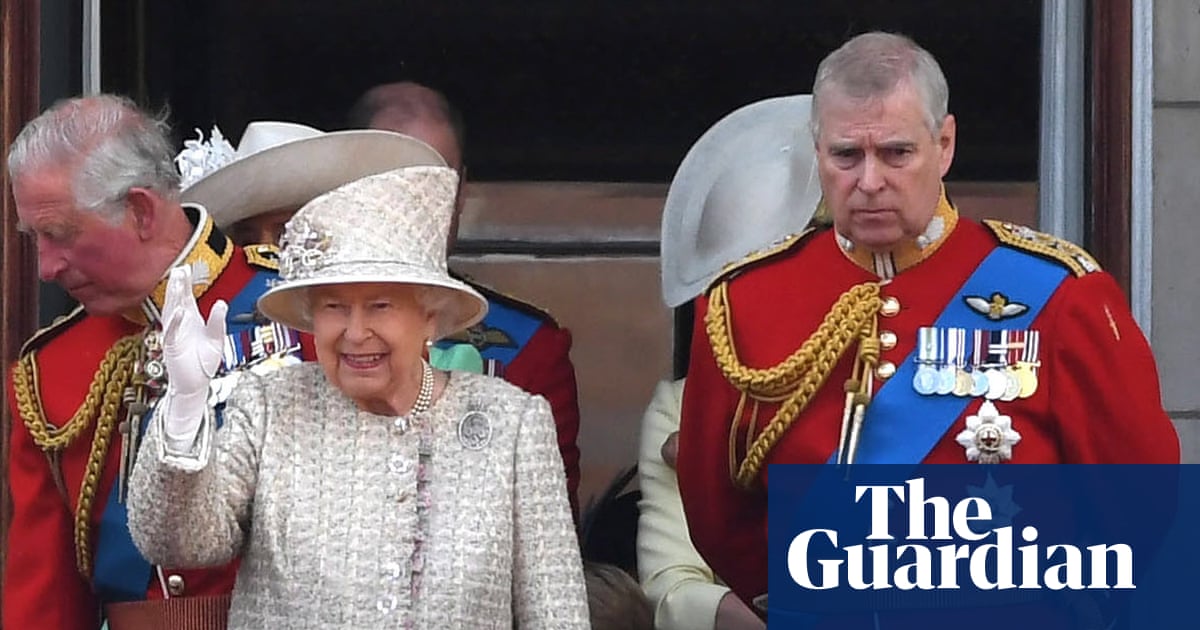
The article highlights the late Queen Elizabeth II’s sustained support for Andrew Mountbatten-Windsor, including backing his 2001 trade envoy role, public displays of support after the 2019 Newsnight fallout, and reported help with his 2022 settlement to Virginia Giuffre. It also notes the eventual stripping of his military affiliations, patronages, prince’s title and HRH style by Charles. The piece is largely retrospective and reputational, with minimal direct market relevance.
This is a governance and institutional-trust story more than a pure monarchy headline. The second-order effect is on the broader UK “soft power” complex: any renewed focus on elite accountability raises the discount rate on institutions that rely on deference, especially charities, universities, pageantry-linked brands, and commercial operators selling proximity to the Crown. The direct market read-through is limited, but the reputational overhang can persist for quarters because these controversies tend to resurface around legal milestones, memoir cycles, and parliamentary scrutiny rather than fade cleanly.
The more investable implication is for governance-sensitive UK assets. When public narratives shift from “family scandal” to “institutional cover-up,” investors typically start applying a higher risk premium to entities with concentrated family control, opaque boards, or legacy brand dependence. That can hurt UK consumer-facing luxury, hospitality, and heritage tourism names at the margin if foreign demand is sensitive to perceptions of social stability and elite legitimacy.
Catalyst risk sits in legal and political timelines: any further document release, settlement commentary, or parliamentary language around patronages could create short-lived volatility in sterling sentiment and UK domestic media names. The reversal case is simple—if the story exhausts itself and the palace successfully compartmentalizes the issue, the market impact remains noise. But if the narrative broadens into calls for reform, disclosure, or renewed scrutiny of elite networks, the duration could extend from days to months.
Consensus likely underestimates how little direct economic impact this has versus how much it can affect sentiment around governance quality. The trade is not to chase the headline itself, but to use it as a reminder that UK political-risk premia can widen quickly when trust narratives dominate. That makes this more useful as a relative-value signal than a directional macro call.
AI-powered research, real-time alerts, and portfolio analytics for institutional investors.
Request DemoOverall Sentiment
mildly negative
Sentiment Score
-0.25
