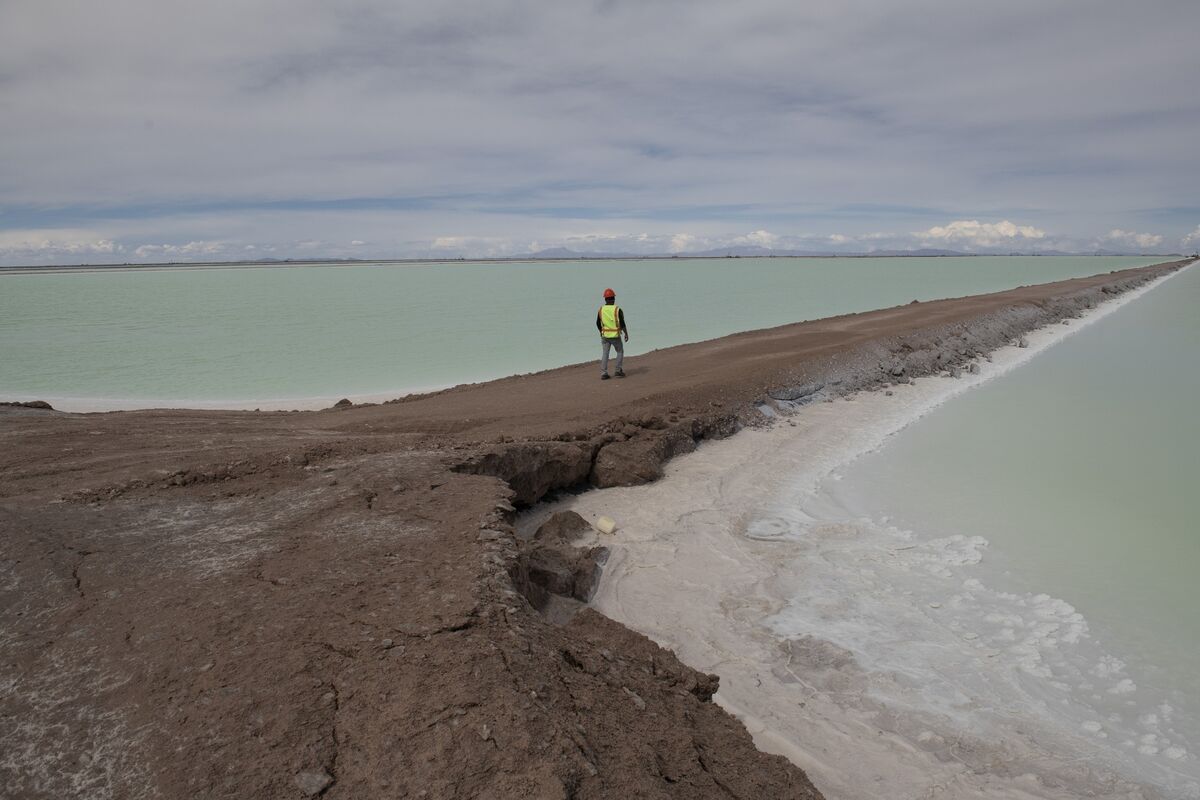
Bolivian presidential candidate Jorge Quiroga, if elected in the Oct. 19 runoff, aims to finally exploit the nation's significant lithium deposits, among the world's largest, after a decade of stalled development. His proposed strategy includes implementing competitive bidding processes, loosening state control, establishing free-trade zones for battery manufacturing, and fostering regional coordination, seeking to attract investment despite persistent industry skepticism regarding Bolivia's past attempts.
A potential major policy shift for Bolivia's lithium sector is contingent on the outcome of the October 19th presidential runoff. Right-wing candidate Jorge Quiroga's platform proposes a significant liberalization of the industry, which controls the world's joint-largest lithium deposits, after more than a decade of stalled development. Key proposals include introducing competitive bidding, reducing state control, and creating free-trade zones to attract battery manufacturing, representing a sharp pivot from historical resource nationalism. The plan also involves coordinating with regional lithium producers Chile and Argentina, which could reshape supply dynamics in the so-called "lithium triangle." However, the article highlights significant "industry skepticism," reflecting the high political and execution risks associated with Bolivia's track record of "false starts." The situation is therefore highly speculative, presenting a potential long-term catalyst for global lithium supply rather than an immediate, tangible development.
AI-powered research, real-time alerts, and portfolio analytics for institutional investors.
Request DemoOverall Sentiment
mixed
Sentiment Score
0.10
